Eat Premium Japanese Rice Gelato & Onigiri From Japan’s Rice Capital Here In S’pore
What do Toki-Mai rice from Sado Island & the Japanese Crested Ibis have in common?
“What’s the difference between this rice and regular Japanese rice?,” we ask. “You’ll taste it.” Executive chef Seki Takuma, from sustainable Japanese restaurant Noka, was referring to Toki-Mai rice, a brand of short-grain rice cultivated on Sado Island, in the Niigata Prefecture where he’s from. The rice, known for its unique stickiness, bite and umami, will be available at Noka until 27 March, so we visited to taste the difference for ourselves.
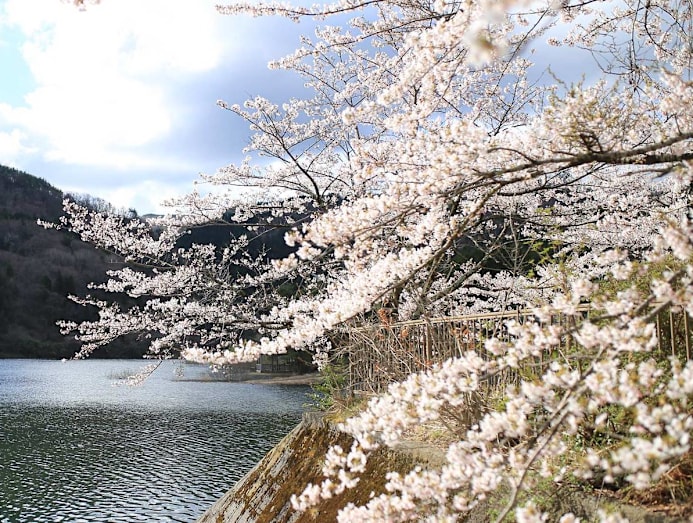
Sado Island where Toki-Mai rice comes from is a remote atoll off the coast of the Niigata Prefecture in Japan. It may be 1.5 times the size of Tokyo but it’s definitely much less busy than the bustling city. Relatively untouched, it still has a quaint, rural charm that draws visitors in to explore its picturesque landscapes, pristine beaches and rich cultural heritage. It is also where travellers go to sample some of the best produce in Japan, from its fresh seafood to fruit and rice — the island is celebrated for making one of Japan’s best sakes, using the best rice.
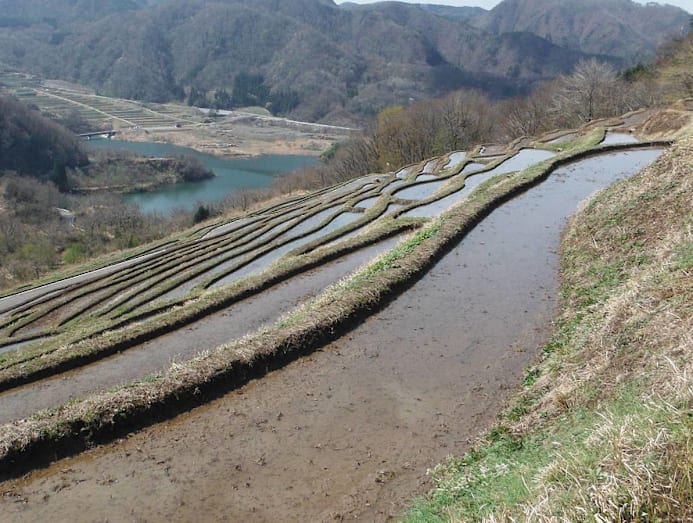
Niigata Prefecture as a whole is known as Japan’s rice capital, but Sado Island has made its mark with its special variety of rice. Paddy terraces span the Kuninaka Plain, the central expanse of land sandwiched between the island’s two main mountains. The island’s subtropical climate with warm summers and mineral-rich sea breeze make for delicious grains.
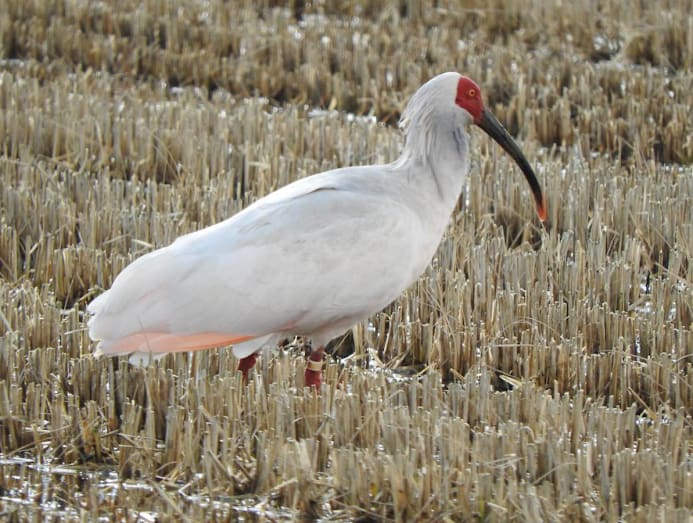
As good as the rice is to eat is its impact on local biodiversity. Decades of overhunting and pollution had led to the population decline of the island’s native Toki, or Japanese Crested Ibis. In an effort to protect the endangered bird, Sado City launched the “Toki Brand Rice Certification Initiative” in 2007. Through the initiative, farmers were encouraged to reduce the use of pesticides, chemical fertilisers and herbicides, conduct research on sustainable cultivation methods, and develop farming methods that nurture biodiversity and the livelihood of the Toki. Rice that comply with these regulations are certified as Toki-Mai rice. Thanks to these farm-led initiatives, along with careful repopulation efforts, there has been a resurgence in the number of Toki on Sado Island in recent years.
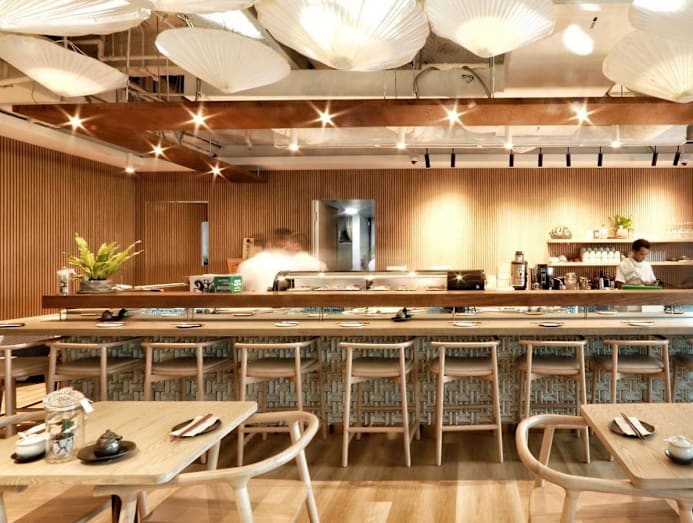
So, what does sustainability taste like? Head to Noka to find out. Opened in June 2019 within the revamped Funan, the restaurant is nestled within the mall’s rooftop urban garden jointly helmed by Edible Garden City and Capitaland Malls. Bright minimalist fixtures and floor-to-ceiling glass walls open up the cosy space so you can admire the surrounding garden while dining. In the open-concept kitchen, chef Seki and his team whip up an array of mod-Japanese dishes spanning sashimi to charcoal-grilled entrees. Featured heavily on Noka’s menu are premium ingredients from Niigata, produce and seafood from Southeast Asia, as well as greens, herbs and edible flowers quite literally plucked from the garden.
Besides changing up ingredients used depending on their availability in the garden, the restaurant also seasonally spotlights produce and flavours from different parts of Japan. This time, chef Seki zooms in on Sado Island with a special menu consisting of onigiri and rice gelato made with Toki-Mai rice.
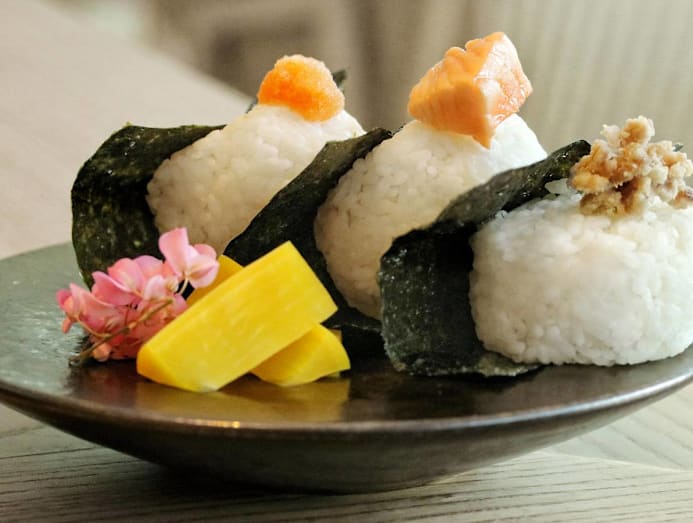
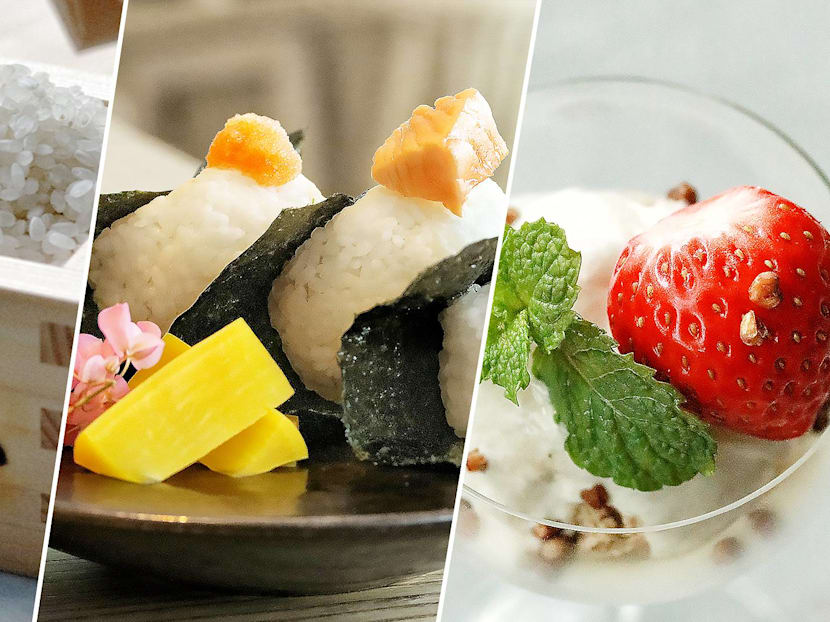
The best way to enjoy Toki-Mai rice is the simplest way. Fluffy rice is lightly tossed with sea salt and shio kombu (marinated seaweed strips) and shaped into triangles before it’s each finished with a dollop of salmon, salted cod roe and minced chicken.
The biggest difference between Toki-Mai rice and the regular Uruchimai (the most commonly used Japanese rice) variety is in its bite. The fluffy grains were less sticky and were perfectly al dente. Instead of clumping together, each grain was distinct. We loved it used in onigiri, where rice can sometimes run the risk of being mushy after being packed and moulded. It’s also fragrant and slightly nutty, and complemented the onigiri’s savoury accompaniments instead of being drowned out flavour-wise. The palm-sized onigiri are very filling so get one set to share, or stuff your face with all three if you’re hungry.
Like most of the dishes on Noka’s menu, the Toki-Mai Gelato is decadent without the guilt. Toki-Mai rice is churned into a smooth and creamy frozen dessert, topped with vanilla cream, seasonal fruit (we got a strawberry), herbs from the rooftop garden, hojicha rice crisps and crispy buckwheat. The rice gave the ice cream a starchy lusciousness that was rich without being cloying. It was also surprisingly light and had a subtle nuttiness that worked well with the toasted hojicha and buckwheat. Even if you think you can’t eat anymore, get this to end your meal.
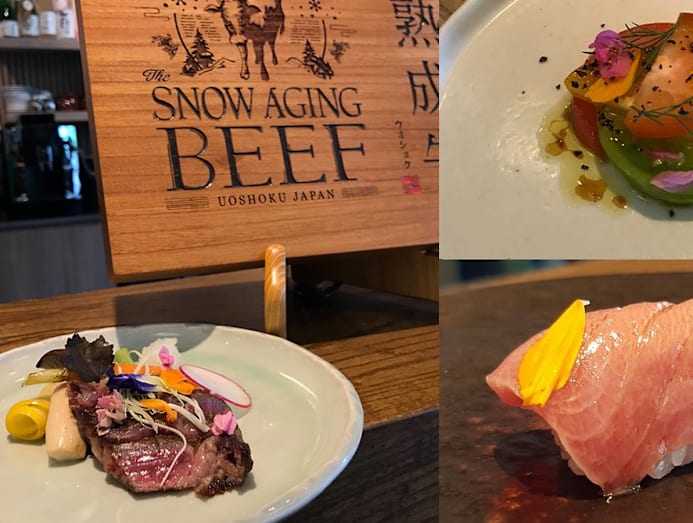
Besides the two special menu items, Toki-Mai rice will also be used to make sushi, maki rolls and chirashi dons until 27 March, and might make a comeback if there’s popular demand. Taste the Toki-Mai difference with the Six-Course Omakase ($120) to experience Noka’s sustainable dining at its best. Tip: Ask to sit at the counter to get the chance to see the jovial chef Seki work his magic. While you’re carbo-loading, make space for other interesting dishes on the menu like the Wagyu Sirloin ($89), which features impossibly tender and flavourful A4 wagyu that’s been snow-aged, a technique called Yukimoro that’s unique to Niigata. Also, try the simple yet satisfying Tomato Heart Salad ($15), made with subtly sweet and very crunchy organic ox heart tomatoes and greens from the garden, minimally dressed in yuzu pepper vinaigrette.
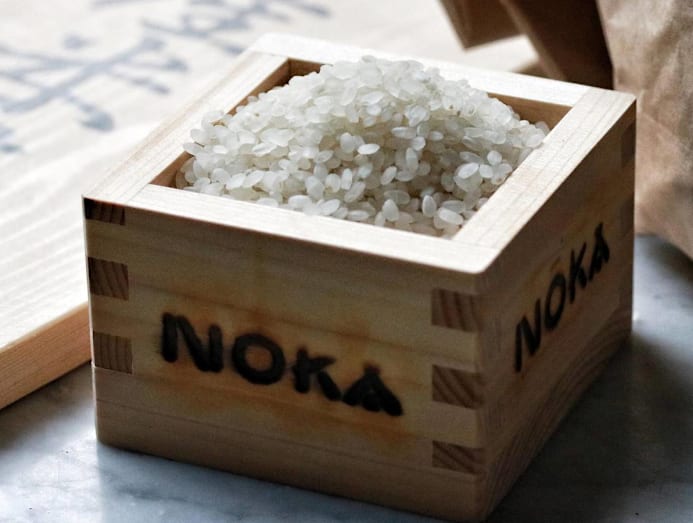
Toki-Mai rice — whether made simply into onigiri or levelled-up into dessert — has a bold bite and taste that sets it apart from everyday grains. But what makes it extra special is that it’s an emblem of the future of food, one where its made to nourish both people and the environment it’s produced in, making it well worth the calories.
Enjoy Toki-Mai rice from now till 27 March, exclusively at Noka, #07-38 Funan (Lift Lobby A), 109 North Bridge Rd, Tel: 6877-4878, S179097.
Photos: Noka & Gwendolyn Lee