Home-Based Ngoh Hiang Seller’s Sales So Good, He Bought 4-Room HDB Flat With Profit
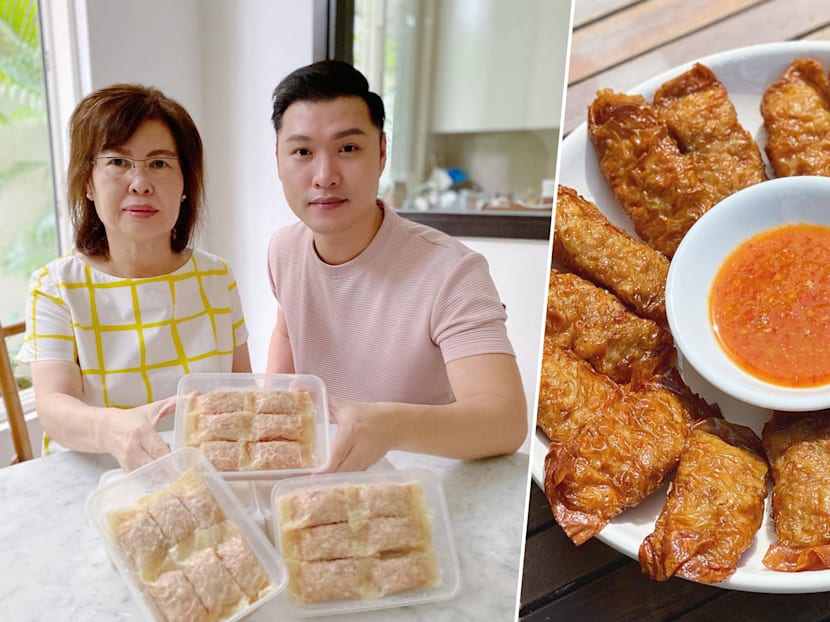
For the better part of a decade, Samuel Wong spent his time building up his own clothing label called Evenodd. The fashion designer, 35, who had a shop within multi-label enclave Nomadx at Plaza Singapura, also made corporate uniforms for companies. Then the pandemic hit, and his fashion career took a tumble.
“Covid-19 killed my business, though it has always been a struggle for local designers,” says Samuel, who eventually shut Evenodd earlier this year. “Cash flow was one of the main issues. There were bank loans and expenses to pay, and it made me realise that I should have gone into a different career.” When he couldn’t operate his shop during the circuit breaker last year, Samuel decided to pivot to F&B. “I had to help myself,” he says.
1 of 5 Started selling ngoh hiang
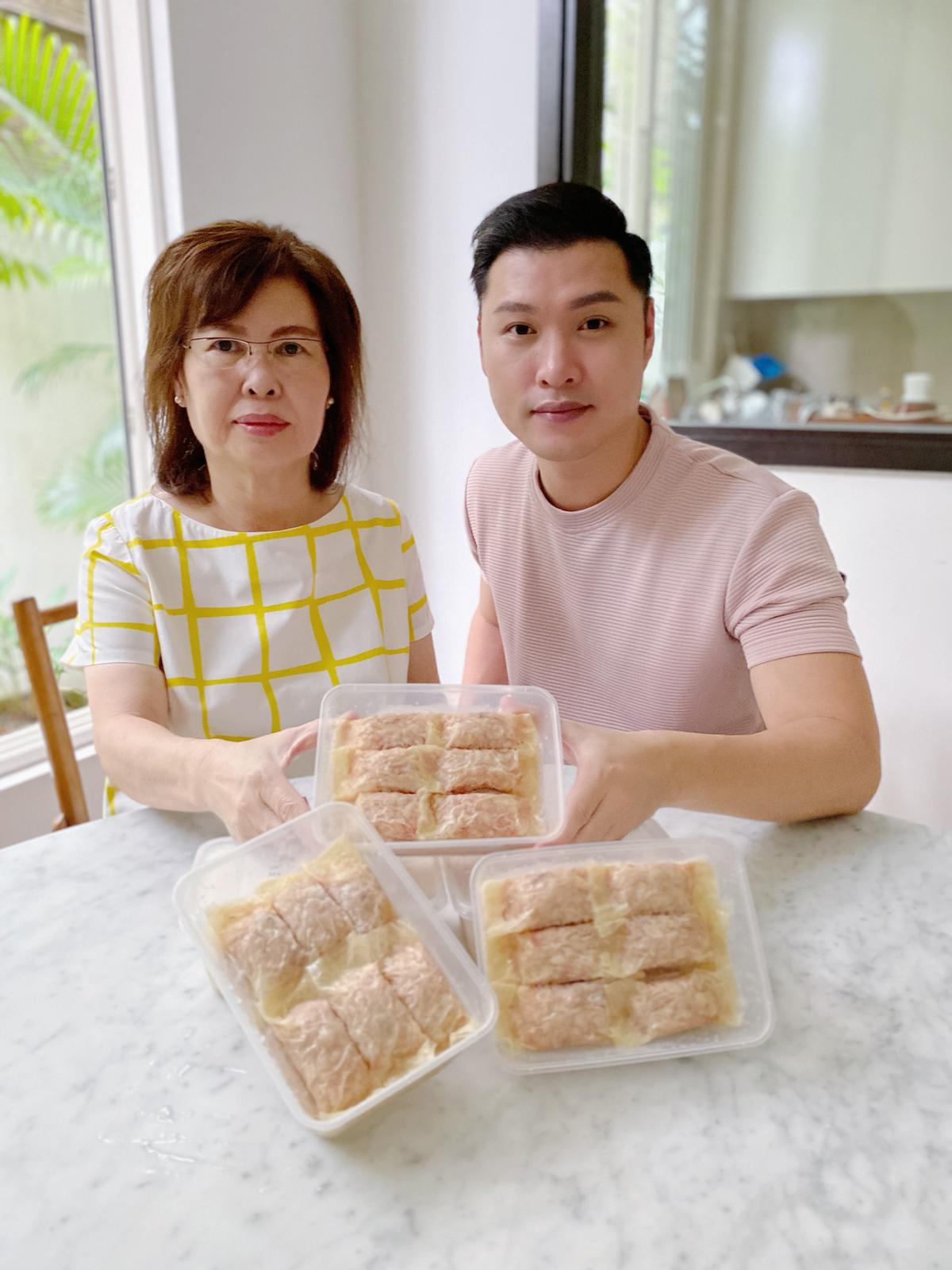
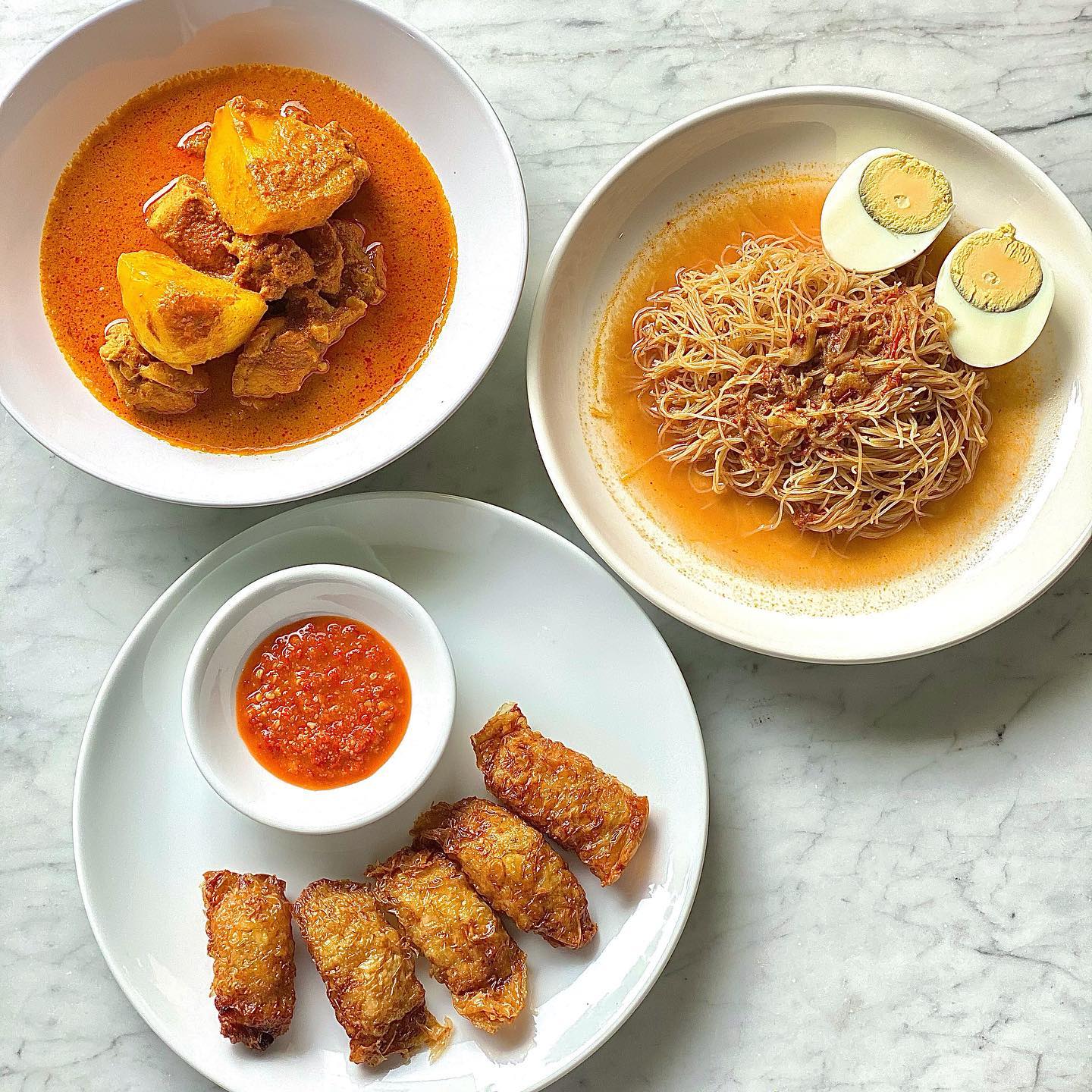
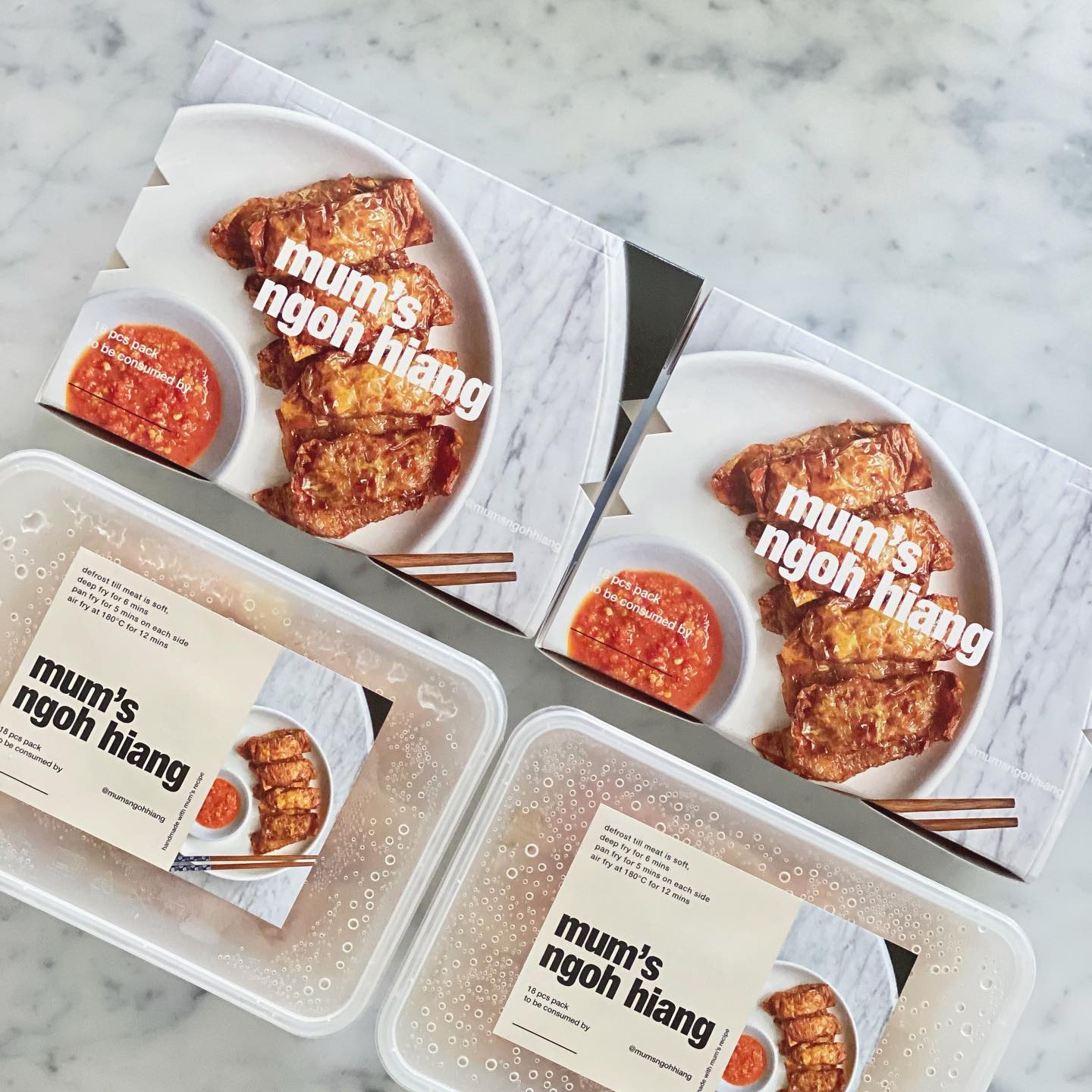
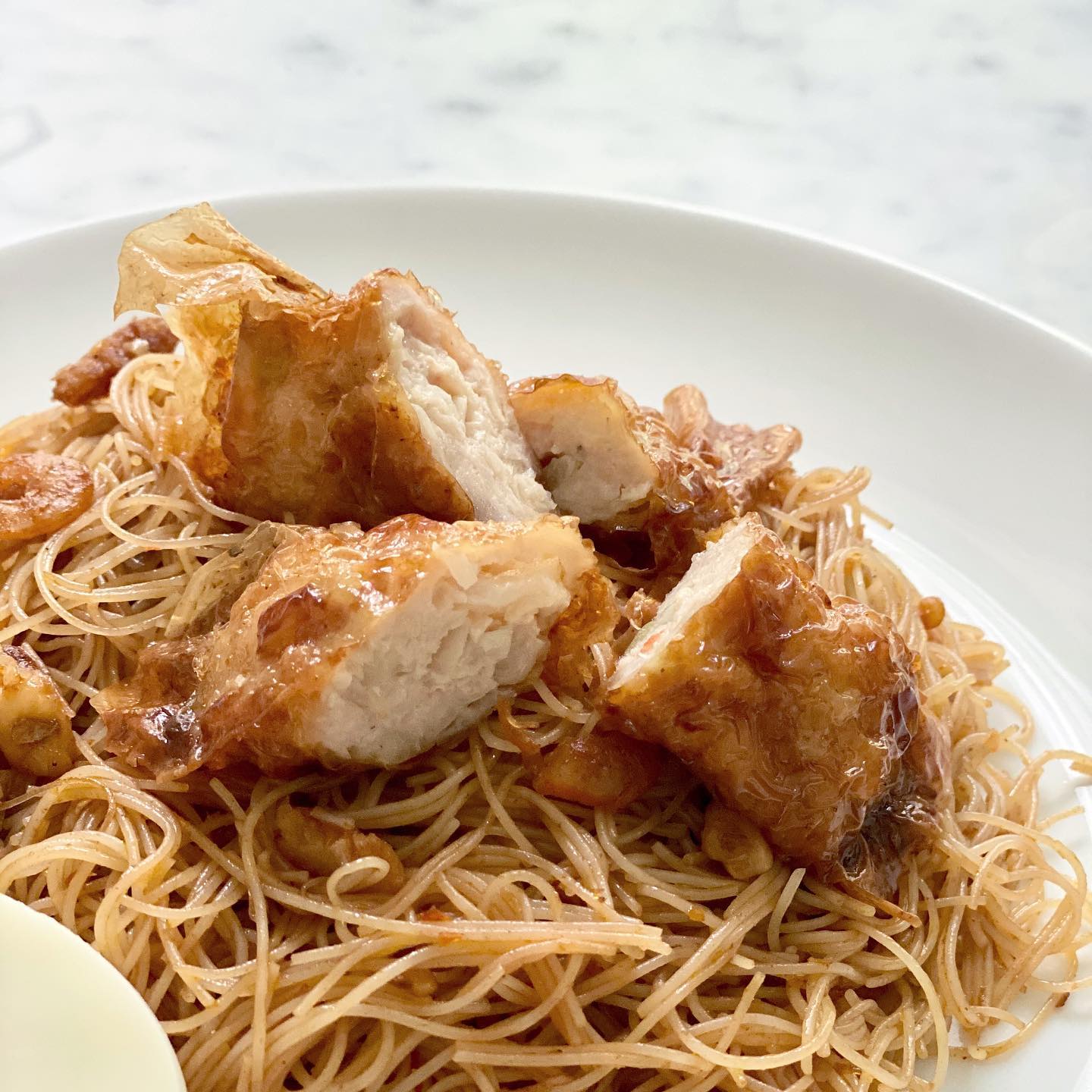
In May 2020, he teamed up with his homemaker mum Ellen Kuah (pictured with Samuel) — a 66-year-old formidable home cook — to start selling her well-loved handmade ngoh hiangs on Instagram. The duo called their home-based biz Mum’s Ngoh Hiang, gaining a strong following for their pillowy fried pork, chicken and prawn Ngoh Hiang wrapped in beancurd skin, and a mod mozzarella-stuffed version (all $18 for 20 pieces). Frozen ngoh hiangs are available for the same price. After introducing ngoh hiang, mother-and-son have expanded their menu to include Mee Siam and Curry Chicken ($25).
2 of 5 Finding success with food
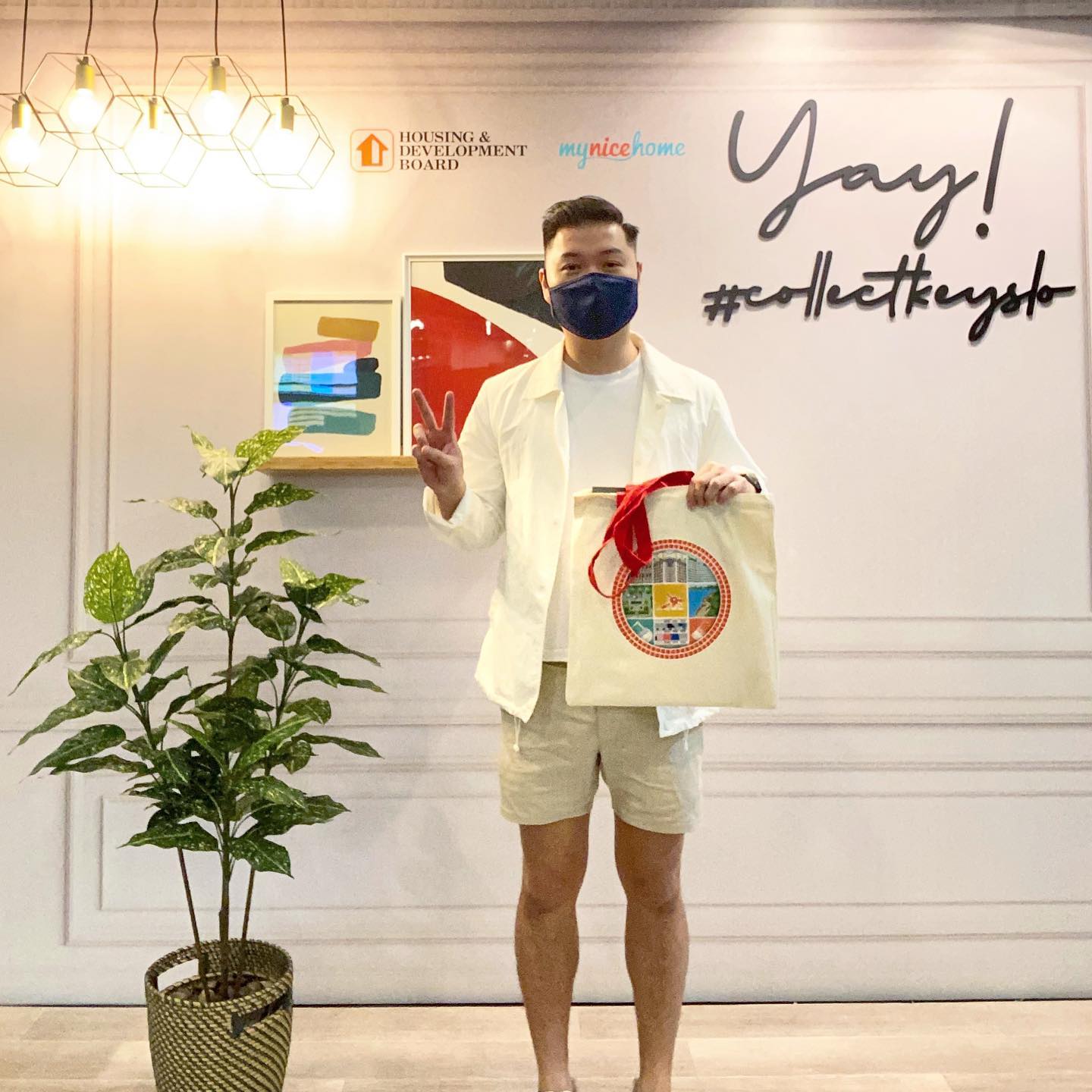
One and a half years on, Samuel has done well enough for himself to buy his own HDB flat, a four-room resale unit at Jalan Kayu for “around $400,000” under the Single Singapore Citizen Scheme. According to Samuel, buying his own home had been his “ultimate goal that I was working towards”. And starting his food biz, he says, had “speeded up the process”.
After paying off his defunct fashion label’s bank loans “dollar by dollar with Mum’s Ngoh Hiang”, he diligently stashed half of his monthly profit in a separate savings account that he “doesn’t touch”. Samuel recalls: “I didn’t have much money saved from [my fashion business Evenodd], with rental and operational costs. A lot of savings were lost on it ’cos I was trying not to kill my brand. It was quite bad — I was even thinking of getting another job while I was running Evenodd. So every box of ngoh hiang we sold counted.”
3 of 5 “Ngoh hiang is very niche, nobody thought it could be a business”
While he did not set a fixed amount to save monthly, Samuel says it was based on his ngoh hiang sales for the month. “We work from home so we don’t have operational costs, and I don’t go out much [and spend] except on weekends,” he says.
In the early days of Mum’s Ngoh Hiang, Samuel had his doubts about its viability. “Ngoh hiang is very niche. Nobody thought it could be a business. But I thought, if Bee Cheng Hiang can sell only bak kwa, why can’t I?” he reasons. And instead of running it like a fashion label where he created designs ranging from casualwear to company uniforms, he decided to “do everything the opposite way” with food. “I made one product seem like a must-have for everyone, and it unexpectedly turned out to be a real business,” he explains.
For about a year after he started selling ngoh hiangs, Samuel enjoyed steady business even when more home-based ngoh hiang sellers popped up. “We started from selling 10 boxes a week. When there was good hype, we could sell up to 800 boxes a month,” he shares. “This was consistent for a year, and that was how we managed to survive the pandemic.”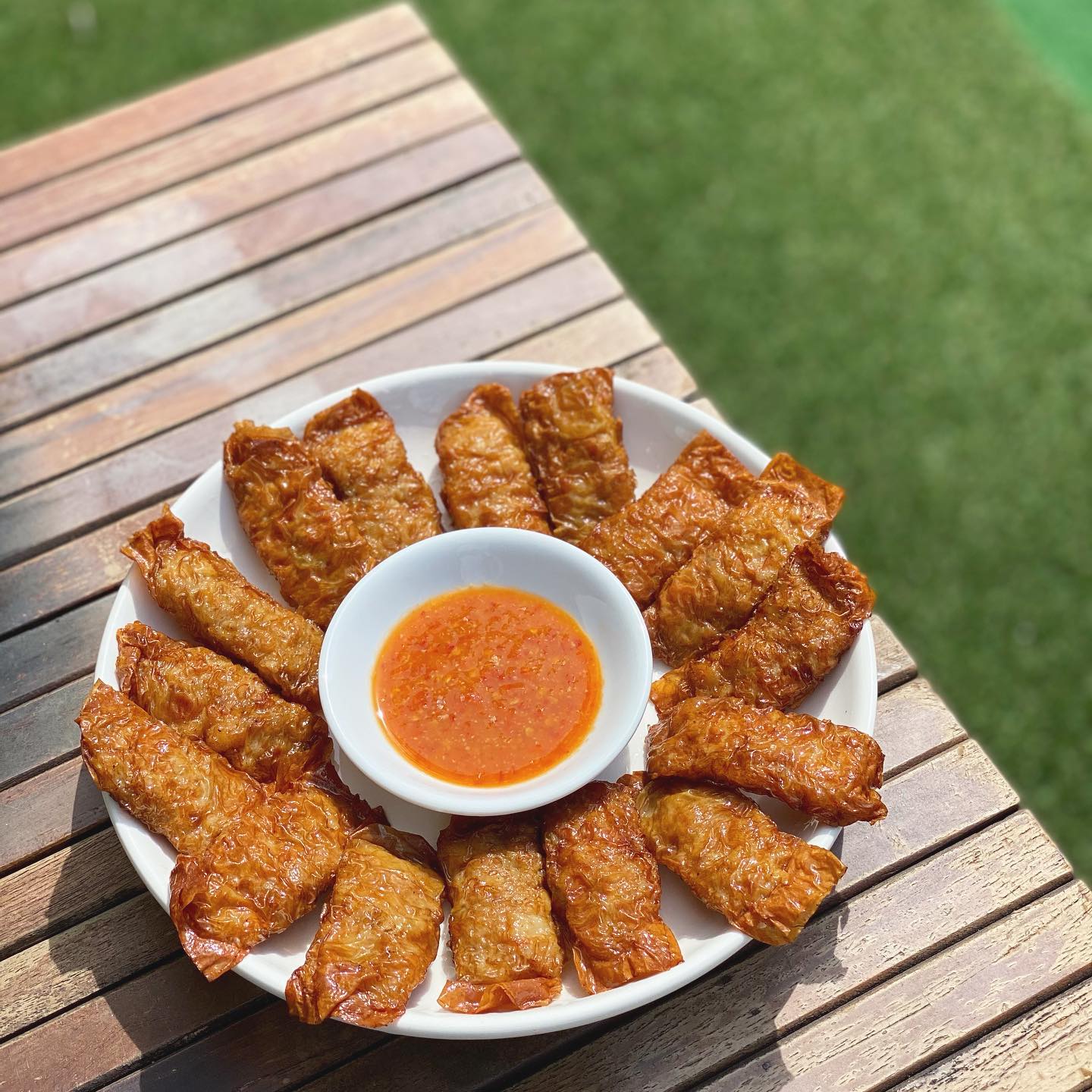
4 of 5 Sales have gone down
But since June this year, Samuel says his sales have inexplicably “dropped by at least 50 per cent”. He tried coming up with promotions to attract customers, which worked for a short while. “Then it went down again,” he says, reckoning that it could be due to Covid-19 restrictions on gatherings and dining in. “My food is for gatherings. If you can only have two friends coming to your house, there’s no point in buying,” he surmises. But he adopts a can-do attitude: “We must be prepared for bad days, because we have had good days for a year. It’s part of running a business — how to maintain it when the hype is down.”
5 of 5He’s opening a dine-in cafe
Which is why Samuel has decided to open a standalone cafe to expand his customer base. The eatery, which is slated to open after Chinese New Year next year, is located within his father’s lighting shop in heartland Serangoon North, which will be semi-converted to house an F&B biz. “My dad’s business also took a hit, since his shop is the old-school kind and everyone is buying lighting from Taobao these days. His wish is for us to open a cafe with his extra space,” shares Samuel, who notes that it’s a more feasible spot than a mall. “If I open a kiosk in a shopping centre my sales will go up, but the rental will kill me,” he laughs.
Opening his own cafe, Samuel says, will allow him to cater to walk-in customers (he currently delivers online orders only on Fridays and Saturdays, as the rest of the week is spent on making ngoh hiang). “I realised that the dynamics have changed. People don’t want to wait to eat anymore. They want the food now,” he says. “With my new shop we will be able to entertain people who want ngoh hiang immediately, and we will hop onto delivery platforms so they can order anytime.”
Current online orders via www.instagram.com/mumsngohhiang.
Photos: Mum’s Ngoh Hiang/ Samuel Wong