Phuket beyond the beach: Rescued elephants, creative cuisine and wellness
From hand-feeding elephants at a low-contact sanctuary to cocktails in Phuket Old Town, this guide traces the island’s quieter pleasures: thoughtful dining, seclusion, and serious wellness.
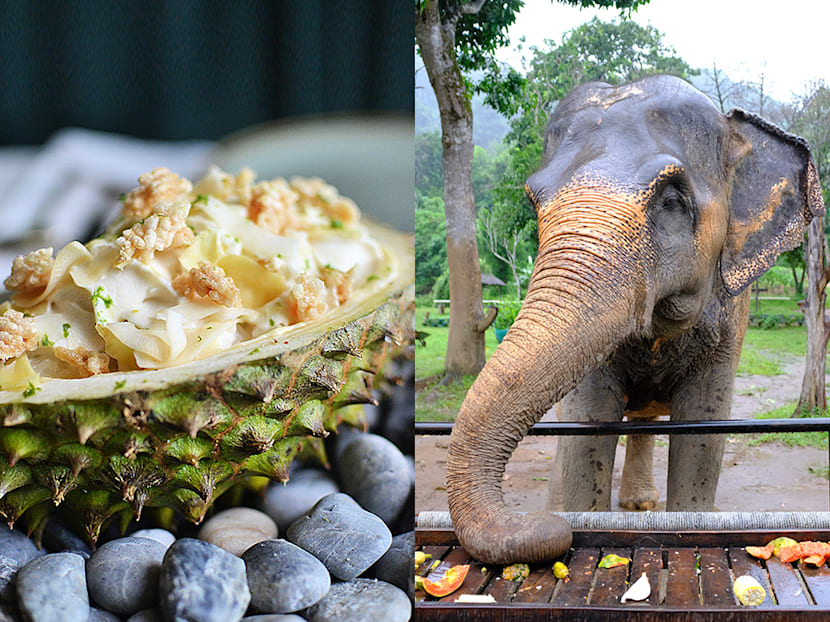
In Phuket, the best luxuries aren’t always on the beach. Here’s where to meet elephants responsibly, eat brilliantly, and unwind well, from Trisara to Nai Harn and Old Town’s Coolies Club. (Photos: Laad Phuket and Luo Jingmei)

This audio is generated by an AI tool.
I was in a small hut, surrounded by fresh fruit: pineapples piled high in woven baskets, bunches of bananas on wooden trays, and corn still in its husk in plastic containers. My children weaved around the room with a small basket, gleefully choosing fruit for Bow and Thonglor’s first breakfast.
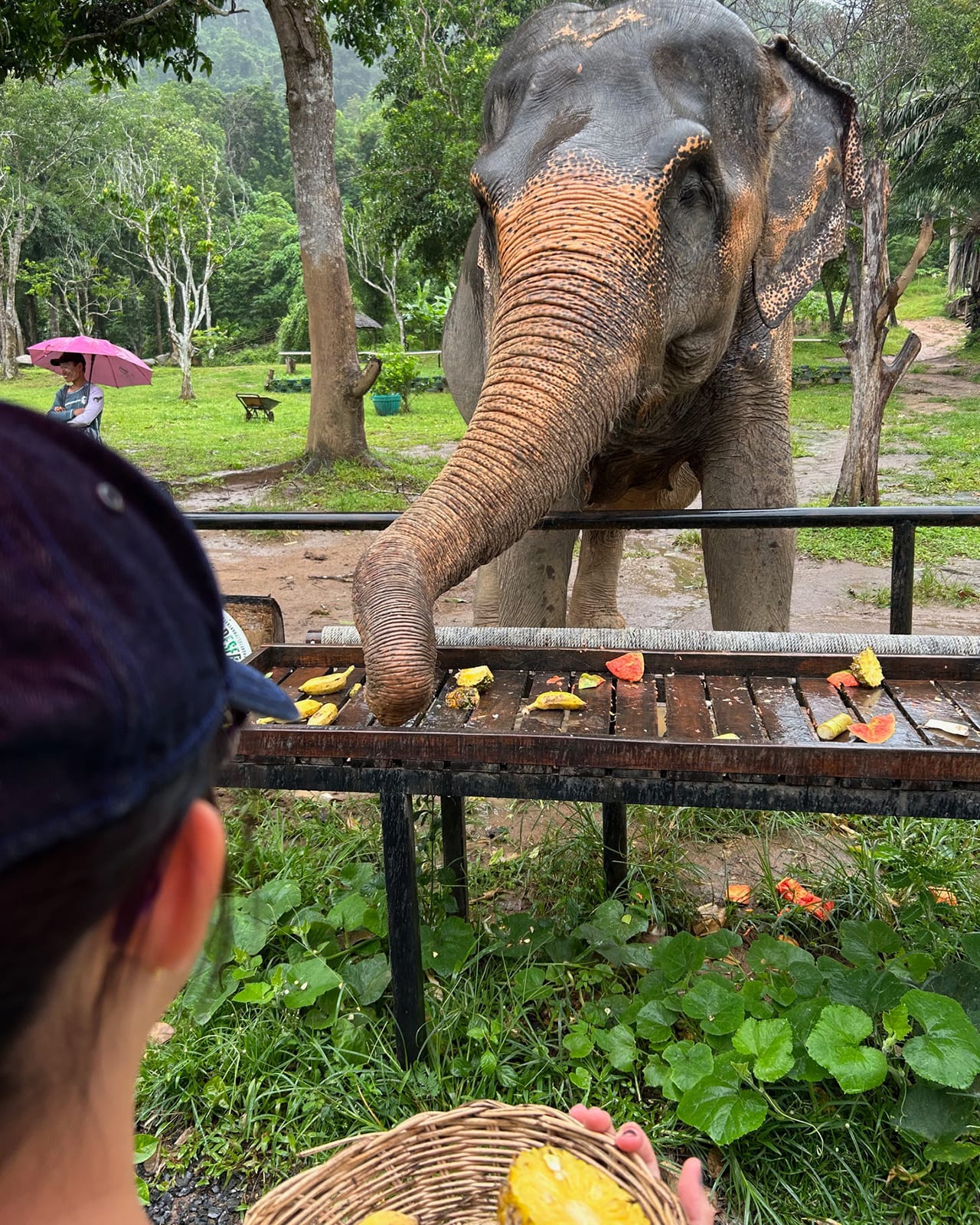
Bow and Thonglor are the two elephants we met minutes ago, ambling around the Phuket Elephant Nature Reserve Ethical Sanctuary with their mahouts. My children handed their haul to my husband, stationed at a chopping board. Holding a shiny, well-worn cleaver, he chopped the fruit and corn into pieces, which we heaped onto trays before tipping them into the troughs outside.
Soon, the gentle giants lumbered over in near silence, their papery ears swaying like fans. We stood barely two metres away, transfixed, watching as their trunks lift food again and again until the troughs are empty.
NO ELEPHANT PARADE
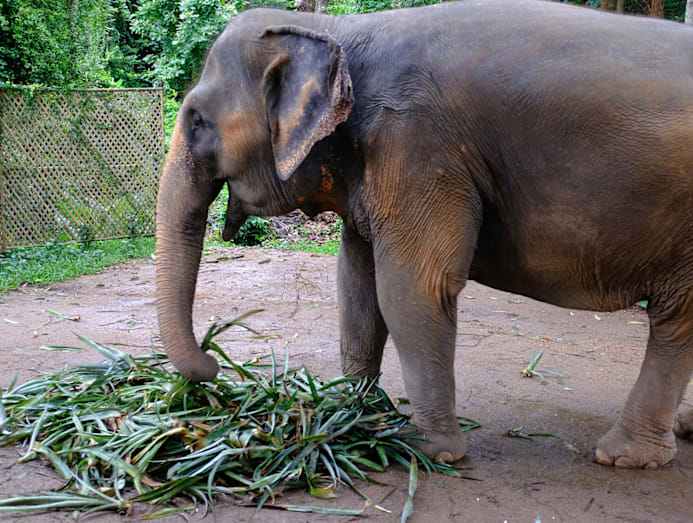
Making breakfast for elephants wasn’t something I ever imagined doing in Phuket. I’d visited the Thai island several times before, but those holidays were mostly spent holed up at the hotel, drifting between pool and sun lounger.
For regional travellers like me, Phuket’s appeal is its proximity: in under two hours by plane, the city skyline gives way to pristine beaches and translucent water. Spa sessions and Thai hospitality always make it hard to leave.
But this time, I wanted to see Phuket anew – and I wanted the children to see elephants. Wary of supporting attractions that exploit animals for tourism, I found Phuket Elephant Nature Reserve Ethical Sanctuary on a booking site, persuaded by reviews noting that guests aren’t allowed to touch, ride or bathe the elephants.
The sanctuary was founded in 2019 by New Zealand expat Cam McLean, who has lived in the region for almost 30 years and has worked with rescued elephants. During our three-and-a-half-hour session, we came closer than we ever had before – but we kept a respectful distance.
We rolled vitamin balls, prepared their meals, and watched them splash in mud holes. We even made paper from elephant dung – don’t worry, the fibres are thoroughly sanitised. (An elephant’s diet is so rich in fibre that its dung can be turned into pulp.)
The tour flew by, animated by our guide’s stories – not just of each elephant’s quirks, but also the friendships within the herd. The youngest, eight-year-old Nong Tang – rescued from a circus and trekking camps in Ratchaburi – might, our guide said, cheekily spray water at guests who stray too close.
Reservations with set timings can be made via travel sites like Booking.com while private tours can be made directly at Phuket Elephant Nature Reserve Ethical Sanctuary
CREATIVE CUISINE
If you visit the sanctuary later in the day, head to Laad Phuket for dinner. Opened in late 2023, the restaurant is just minutes away. It was started by chef Parkorn ‘Tan’ Kosiyabong – the chef-owner of Bangkok fine-dining restaurant Goat BBK – and American Steve Doucakis, whose past stints include New York’s Jean-Georges and Bangkok’s Bunker.
A farmer who supplied fresh produce to Bunker introduced the pair. “We became friends right away, planning collaborative dinners while he was running a pop-up out of a small house in Sukhumvit 51,” Doucakis said.
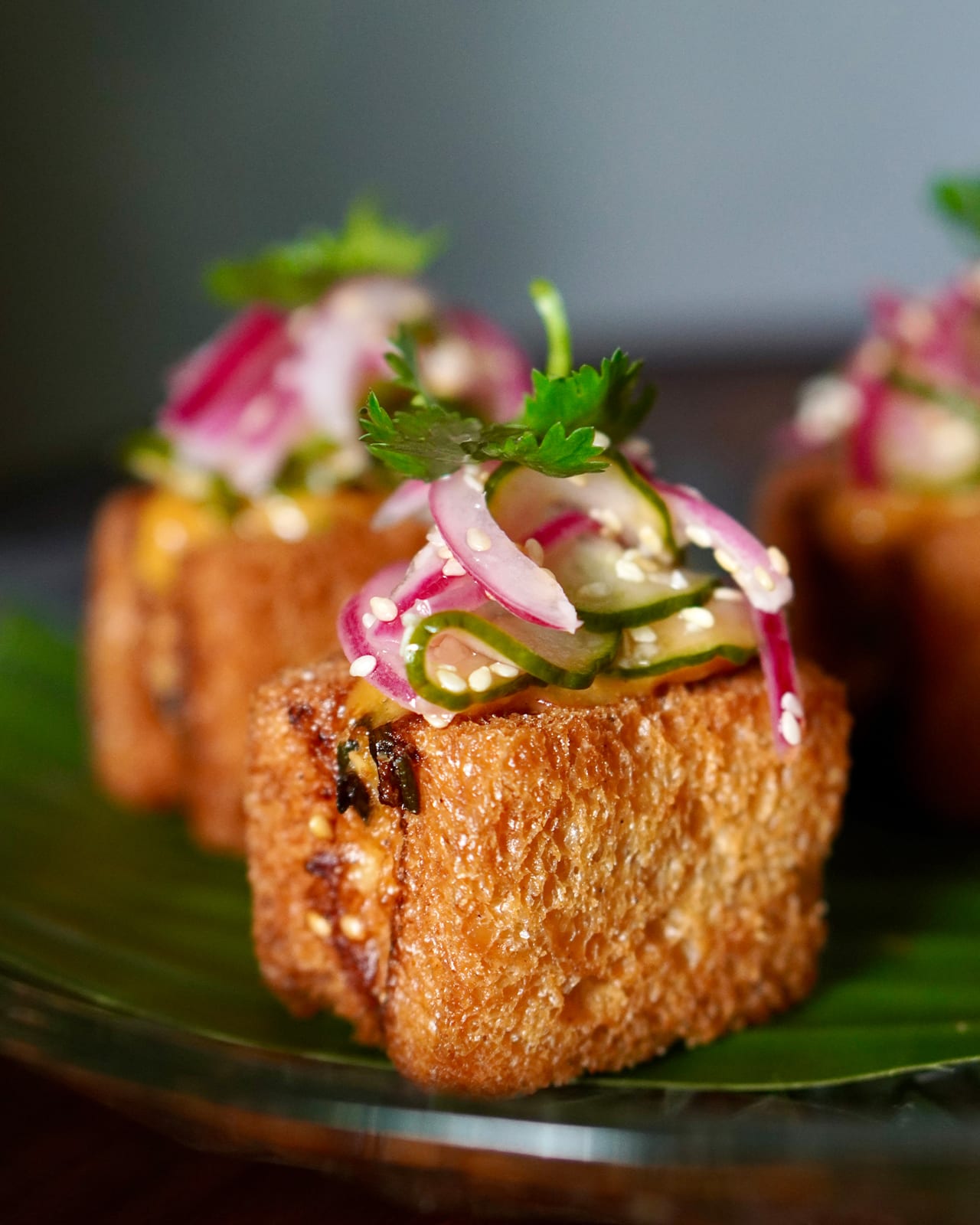
Laad means “market” in Thai, and the name fits: creative southern Thai cooking built around local produce, served in a convivial space. Standouts include a sweet-savoury mangosteen jungle salad, punctuated with crunchy pork skin and dried prawns, and a prawn toast – an addictive mouthful of southern flavours, stuffed with sour plum dressing, sesame and pickles.
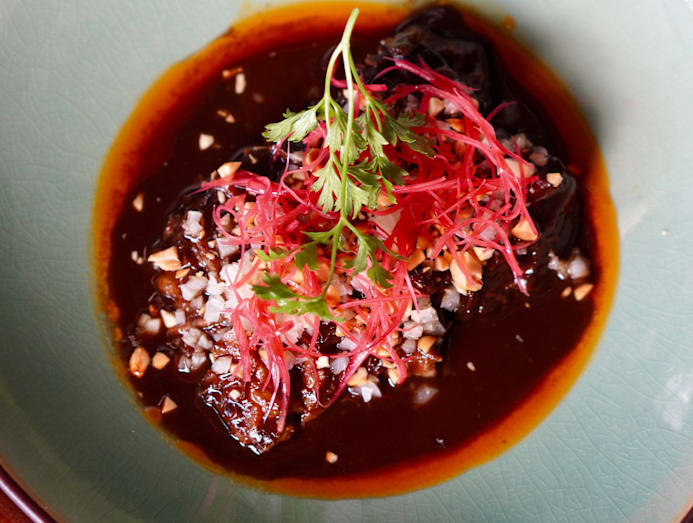
A beef brisket massaman curry, made with meat from a farm in Sakon Nakhon, was cooked to melting tenderness. Crisp roti for dipping added to the dish’s comfort. It paired well with a signature cocktail, miang kham, given a gentle kick from fresh ginger and peppercorn syrup.
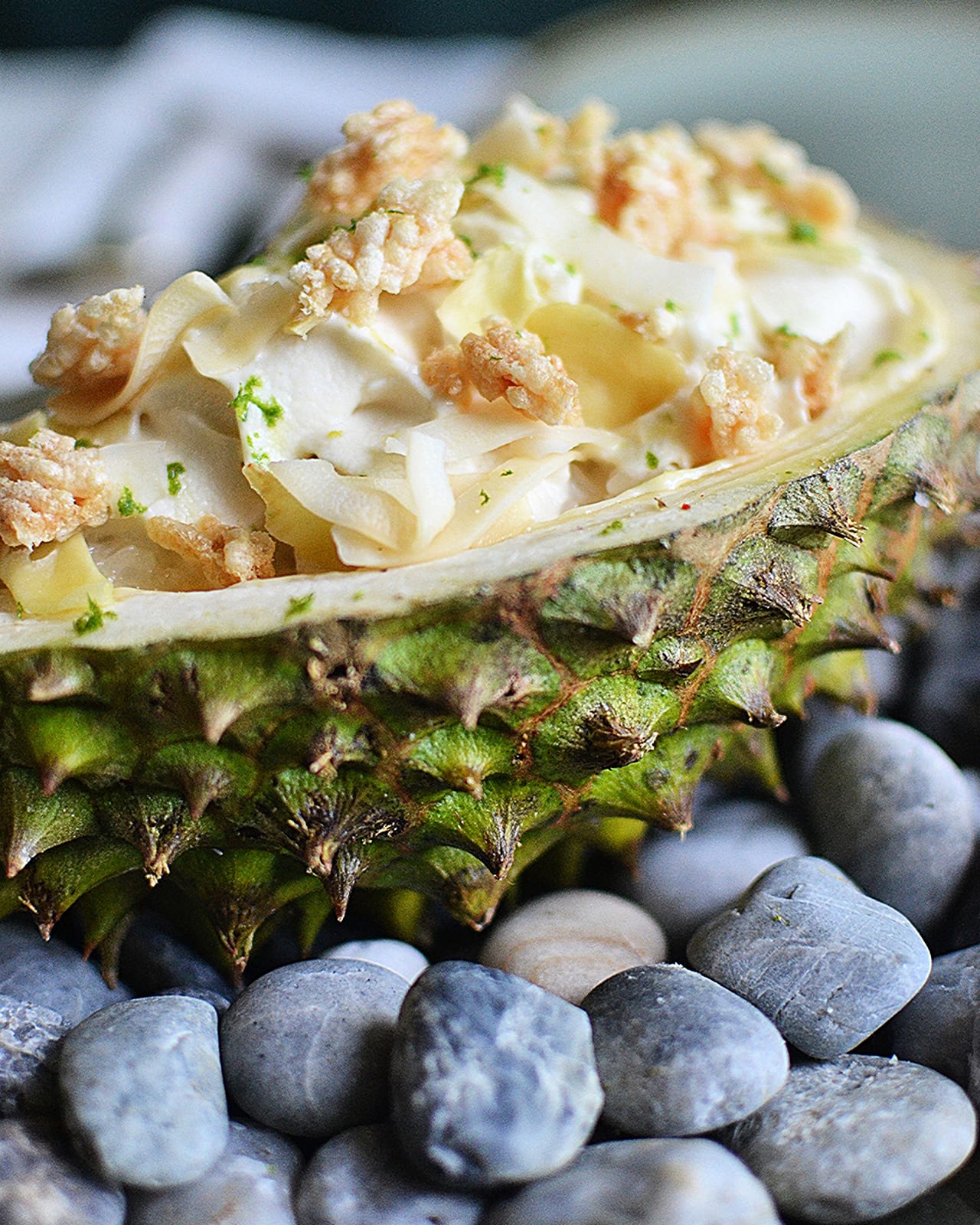
During my meal in June 2025, Doucakis had just introduced a seasonal dessert – Monthrong durian mousse – and gamely ducked into the kitchen to whip one up. What a memorable combination this was, of moist coconut sticky rice, crunchy durian chips and crispy rice atop airy durian mousse, served in a spiky durian shell for a bowl.
CULINARY HIDEOUT
Laad Phuket is one example of the island’s ongoing output of creative gastronomy – perhaps unsurprising, given Phuket’s designation as a UNESCO Creative City of Gastronomy in 2015. As I was with three children, I wanted to explore different cuisines in a convenient way, so we spent a few nights at Trisara.
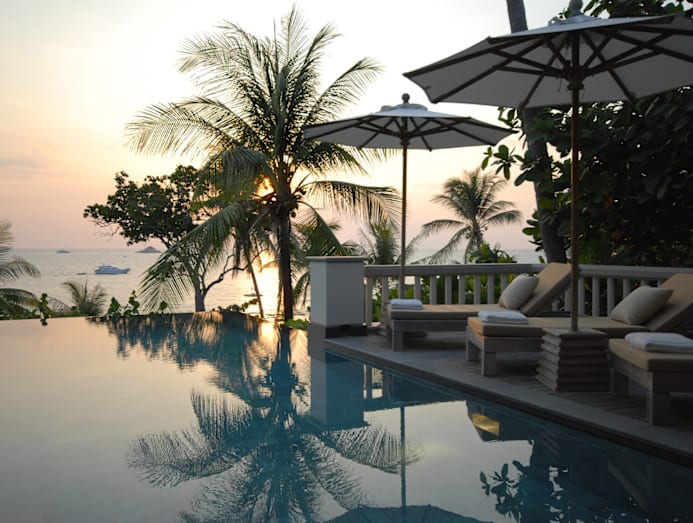
With only 39 pool villas – alongside 21 private residences – the resort offers a level of seclusion that can feel elusive elsewhere on the island. It’s also home to Phuket’s only Michelin-starred restaurant, Pru, though I was here for newer dining concepts.
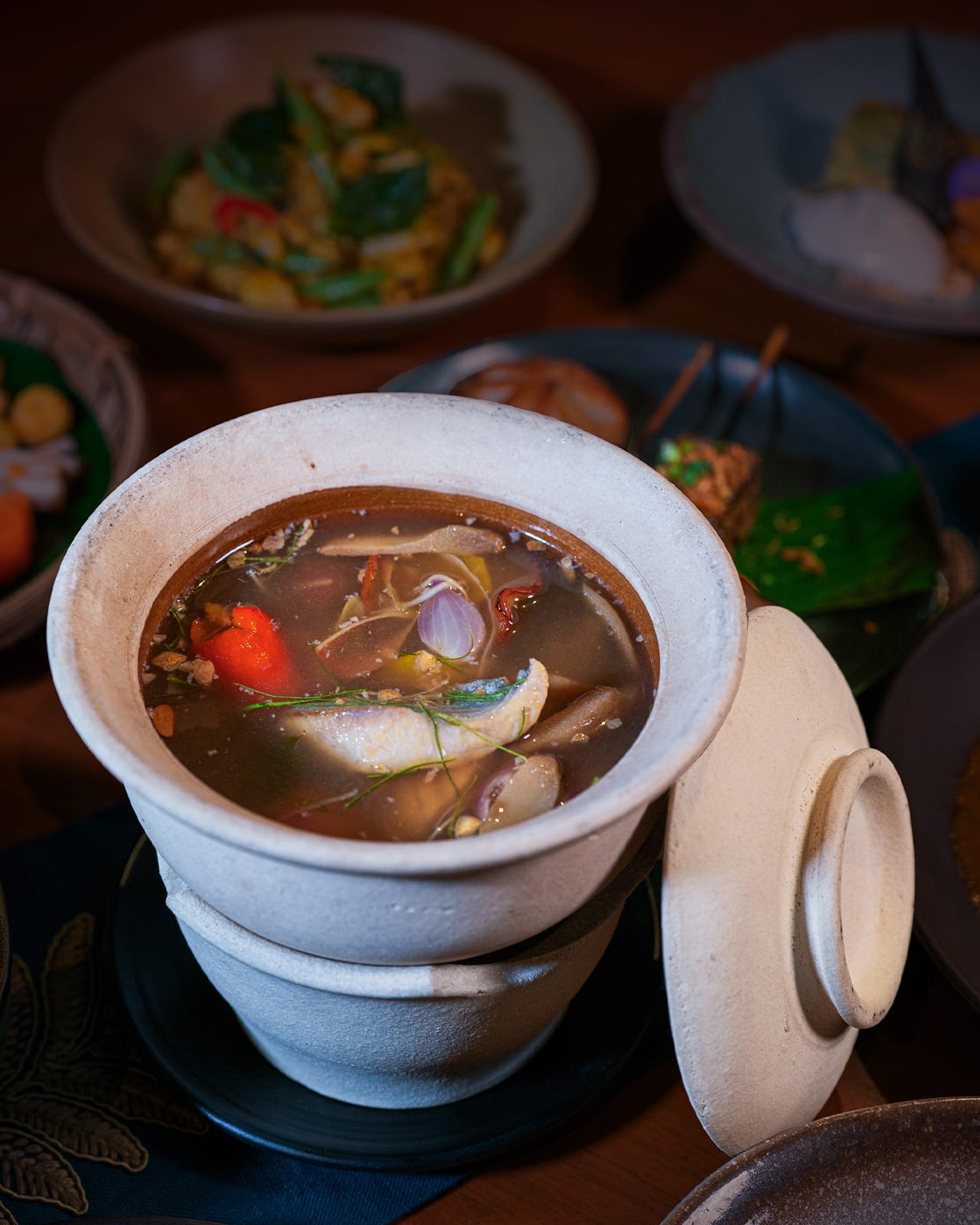
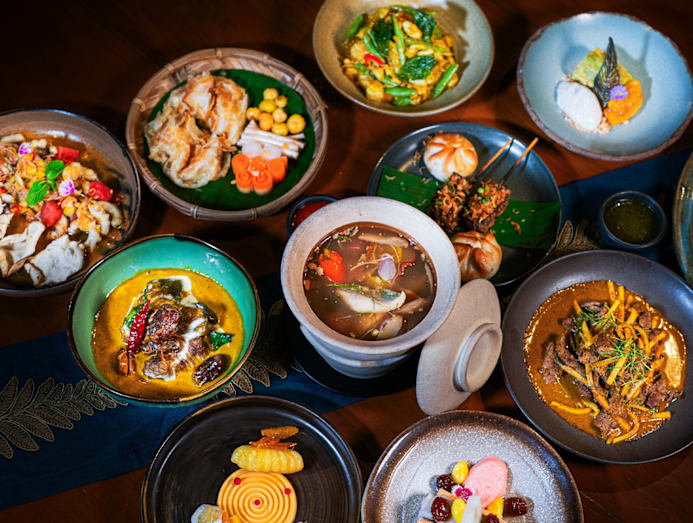
Dinner at Thai Library delivered an elevated yet hearty take on southern Thai cooking. Some tasty dishes included tom som ragam pla – a tropical sour broth with fish, snakefruit and Malabar tamarind – and goong mangkorn prik king: baked Phuket lobster, generously coated with curry paste and catfish flakes, then finished with salted egg yolk.
Dinner the next day brought more seafood at La Crique – this time with a French Riviera twist. It’s the pet project of chef Worawit ‘Notty’ Rattanachoochoke, Pru’s former sous-chef. We’d actually spotted him that morning: a lone, determined surfer heading out into the waves. “That’s chef Notty,” hotel manager Jeremy Harris said, squinting to make out his silhouette.
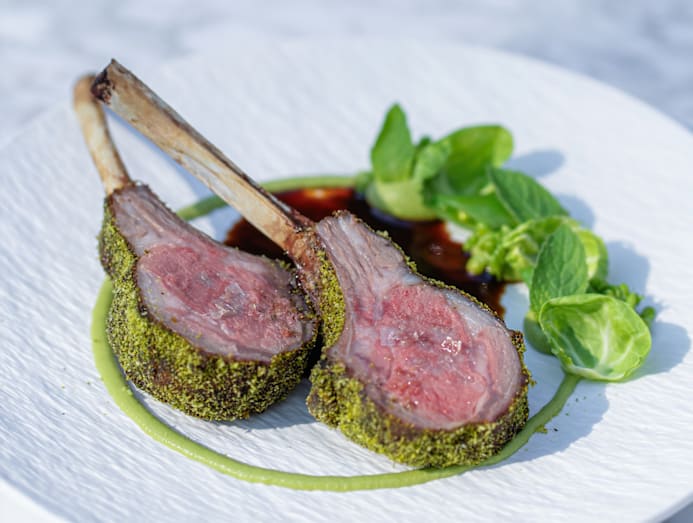
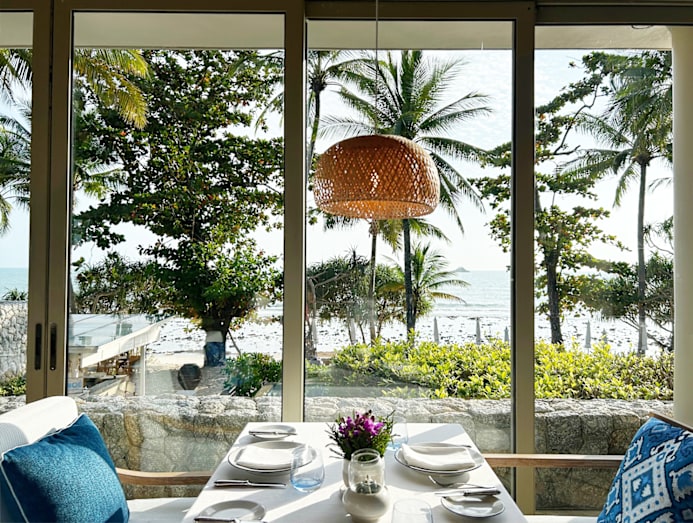
Chef Notty’s menu is uncomplicated, anchored on freshness and natural flavours. The yellowtail tartare delivers a burst of contrasts – salty caviar, sweet sea grapes, citrusy dressing – while the sole meuniere is finished lightly with almonds and tangy capers. Here, as at Thai Library, thoughtful children’s menus make dinner enjoyable for the whole family.
At dusk, sunlight flooded La Crique. Through the glass, we gazed out at the beach, edged by sun-speckled waves. It’s one of Trisara’s draws: the beach isn’t private, but it’s not easily accessible to the public, so it can feel like the resort’s own. We leaned into the quiet with a Negroni at the new Noe On The Beach bar, toes in the sand.
FUN FOR CHILDREN
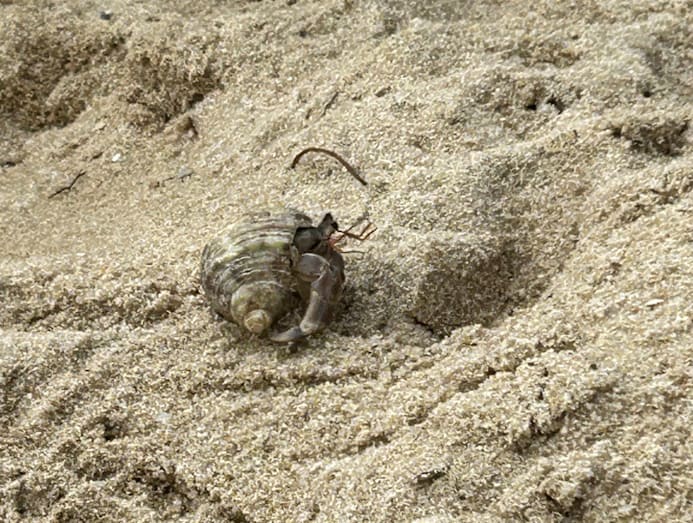
This seclusion is also why this beach is fun for hermit crab-spotting. With fewer crowds, there are plenty of them – their tracks forming neat, tyre-mark-like imprints in the sand. Set within a protected nature reserve, Trisara keeps you close to nature even when you’re doing very little.
After swimming and archery, we took a cooking class with chef Rudttborn ‘Oat’ Purmsirinun, enlivened by kitchen banter. The children brushed marinade onto chicken pieces and slid them onto skewers for the staff to barbecue, while my husband and I tackled pad thai, gai pad prik khing (curry chicken) and tom yum goong.
Snorkelling wasn’t recommended during June’s monsoon season, though Harris enthused about the wildlife we’d see in calmer months. Instead, we took the children to Pru Jampa for an organic farm visit. Set within the nearby Tri Vananda residential development – also by Trisara’s owner, Montara Hospitality – it supplies produce to Trisara’s farm-to-table restaurant Jampa, which holds a Michelin Green Star.
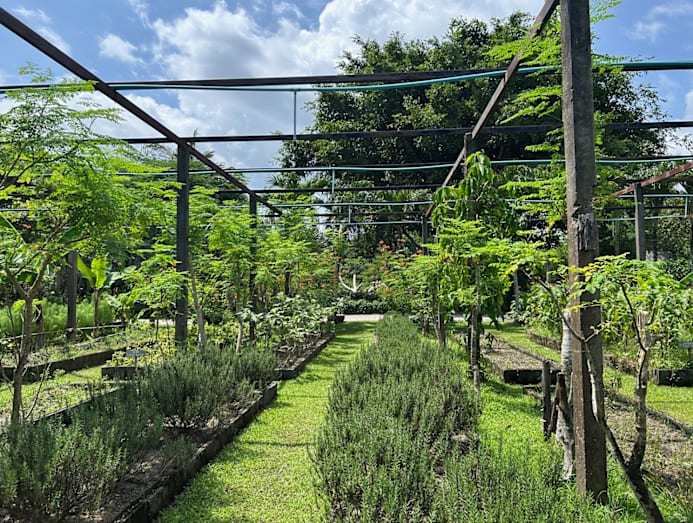
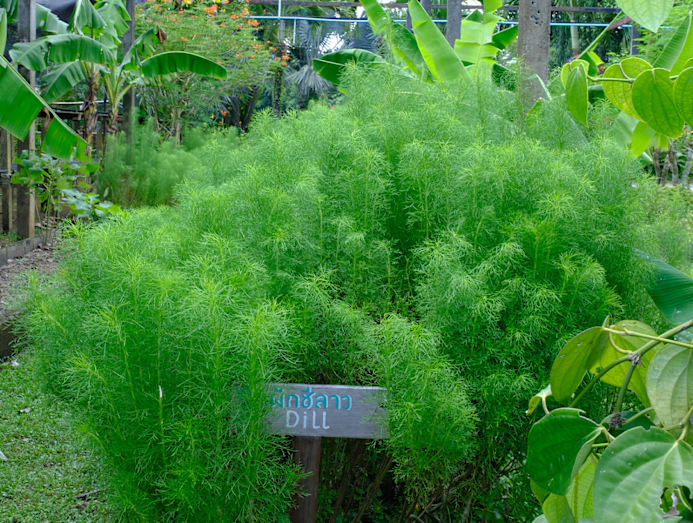
During the tour, we stopped to smell spearmint, rosemary and dill, among other herbs. Children on Trisara’s Little Farmers programme not only learn how to grow organic crops, but also collect eggs at the chicken coop. Supapron Danthi, Tri Vananda’s health and wellness specialist – and a multiple-time Muay Thai champion – tells us the chickens are fed leftovers from the on-site restaurants. Lucky fowl.
OUT IN THE OLD CITY
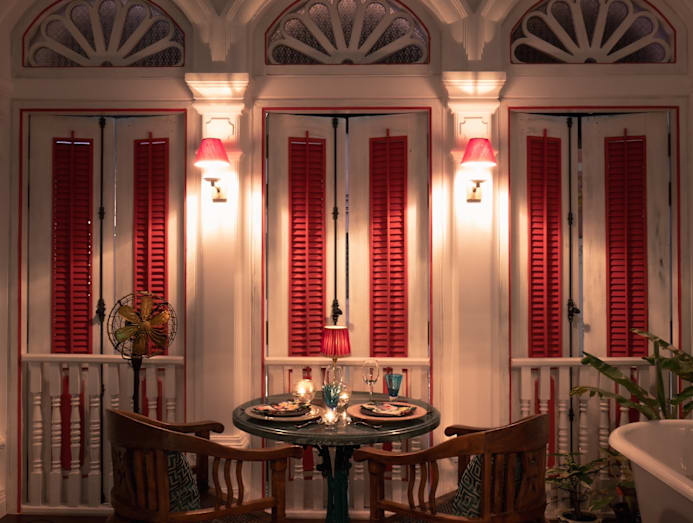
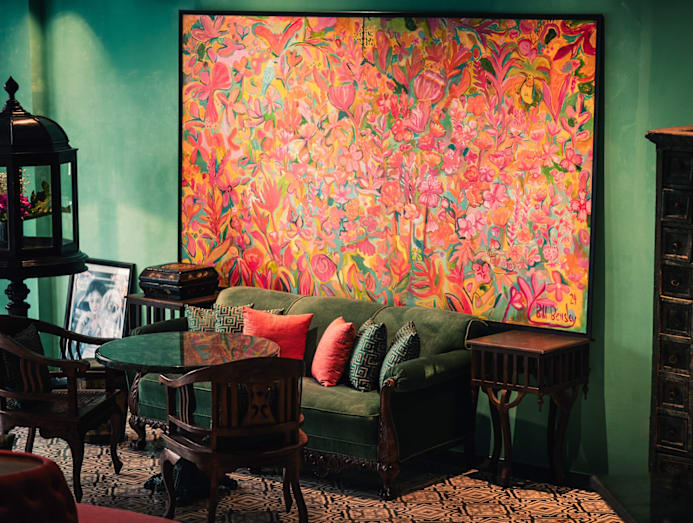
If you make a jaunt to Phuket Old Town, head to the newly opened Coolies Club on Soi Romanee. The bar was designed by famed hospitality designer Bill Bensley and opened by Krystal Prakaikaew Na-Ranong, owner of The Slate – another Bensley project.
Located in a shophouse built in 1883, Coolies Club is a riot of colour, vibrant art and vintage decor. Its bohemian exuberance nods to the area’s past as a refuge of drink and company for tin miners who came to Phuket to seek their fortune.
Coolies Club’s story is also personal. Na-Ranong’s great-great-grandfather arrived from China in 1912 and worked as a tin miner; his wealth later came through land parcels and mining rights granted by his employer. Cocktails nod to the area’s saucy history – with names like Miner’s Whisper and Spicy Maria – while dishes are cooked over an open fire, the way tin miners once made their meals.
WELLNESS AT NAI HARN
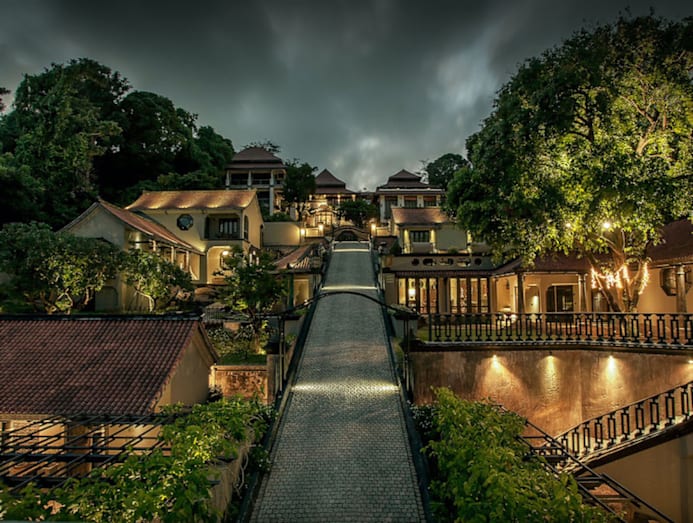
Lounging by the beach is relaxing, but for restoration from within, consider checking into Chivitr (meaning “life” in Thai). I discovered the wellness centre while walking around Nai Harn, drawn in by its rustic architecture
Chivitr’s founder, Pornthip Noppakoon, was ahead of today’s evidence-backed wellness movement. Twenty-five years ago, she began researching holistic preventive approaches after a loved one was diagnosed with cancer. Amazed by the remission after treatment, she moved back from Europe after two decades and dedicated her life to helping others take ownership of their health.
Chivitr opened in 2016 as the first centre of its kind, set within a luxurious, design-led environment. Guests check into 11 eclectic suites surrounded by filtered rainwater pools, each adorned with Persian rugs, antique furniture, Chinese timber screens and Frette linens.
Chivitr’s therapies – drawing on Traditional Chinese and Thai medicine, Ayurveda, modern science and nutrition – offer a restorative reset. Treatments include lymphatic ionising noble gases treatment, gut microbiome testing, full spectrum infrared sauna and biophoto analysis, IV therapy, hydrotherapy and watsu therapy in a magnesium pool – all tended to by professional doctors and practitioners, and tailored to each guest.
LAKESIDE FINE DINING
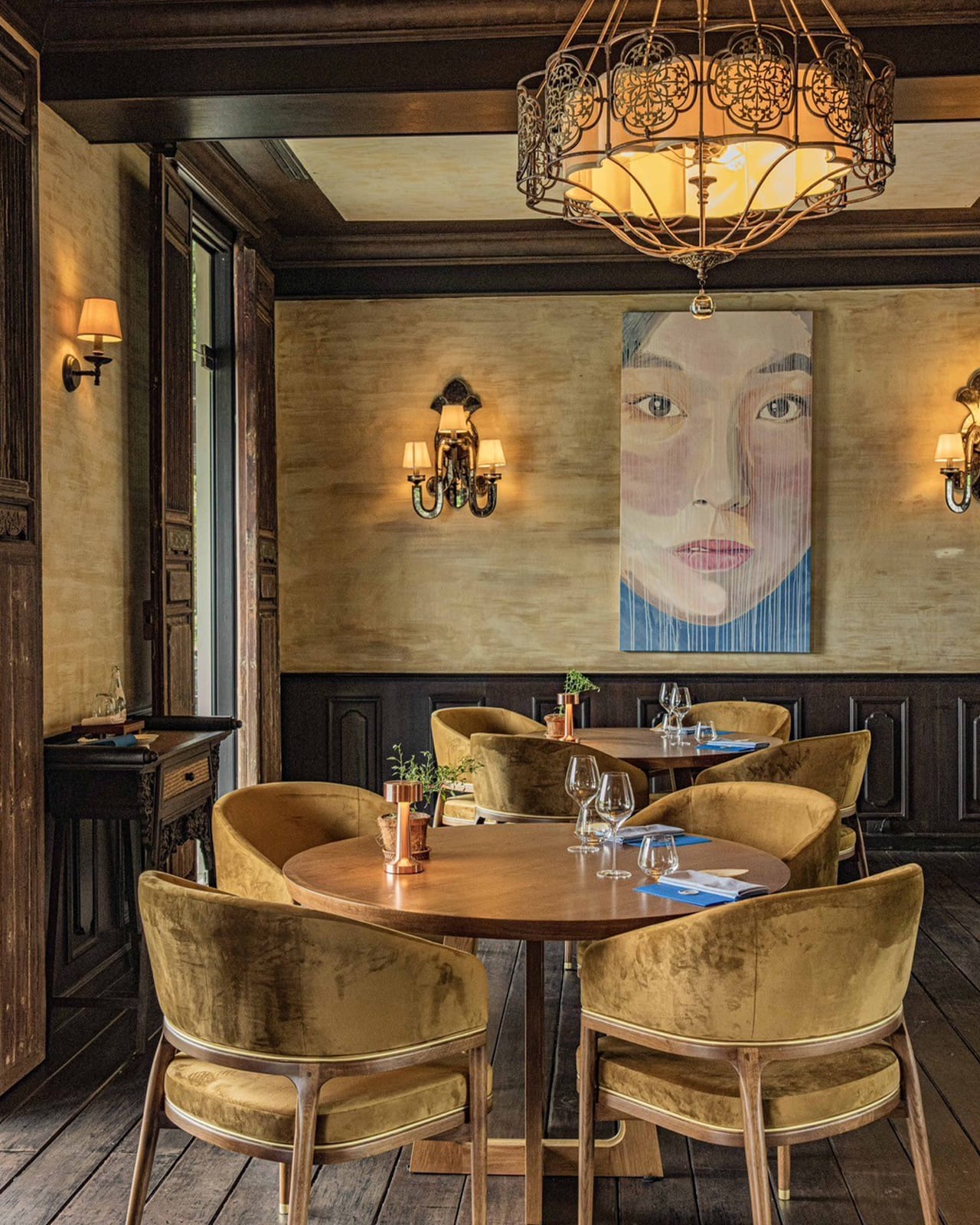
In 2022, Noppakoon invited Thitid ‘Ton’ Tassanakajohn – a judge on MasterChef Thailand – to open his first Phuket restaurant in Chivitr’s former lobby, overlooking Nai Harn Lake. The chef-restaurateur cut his teeth at establishments such as New York’s Eleven Madison Park and Jean-Georges, and now leads a portfolio of restaurants that includes Bangkok’s Michelin-starred Le Du.
Samut (“ocean” in Thai) uses local seafood caught by small-scale, sustainable fishers; even the ikura is sourced from the Andaman Sea. With no meat served – a choice framed around reducing the restaurant’s carbon footprint – it’s an easy fit for pescatarians.
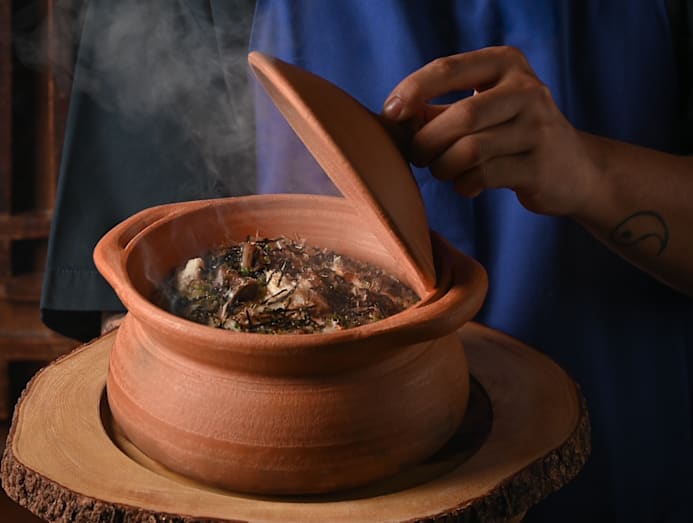
In the intimate dining room, the eight-course tasting menu begins with a four-part amuse-bouche before building towards heartier dishes: crab tomalley baked rice in a claypot with Beka squid, and cold squid udon in tom khem broth.
And while coconut water is a Phuket staple, few get to taste chef Ton’s singular ode to the fruit. In dessert form, coconut is reimagined as mochi, sabayon and sugar crackers, alongside other petite treats.