Inside Shanghai’s coolest spots: Hidden bars, modern art and surprising flavours
Perpetually at the cusp of revolution and reinvention, Shanghai is having a new moment in its burgeoning art, architecture and epicurean scene.
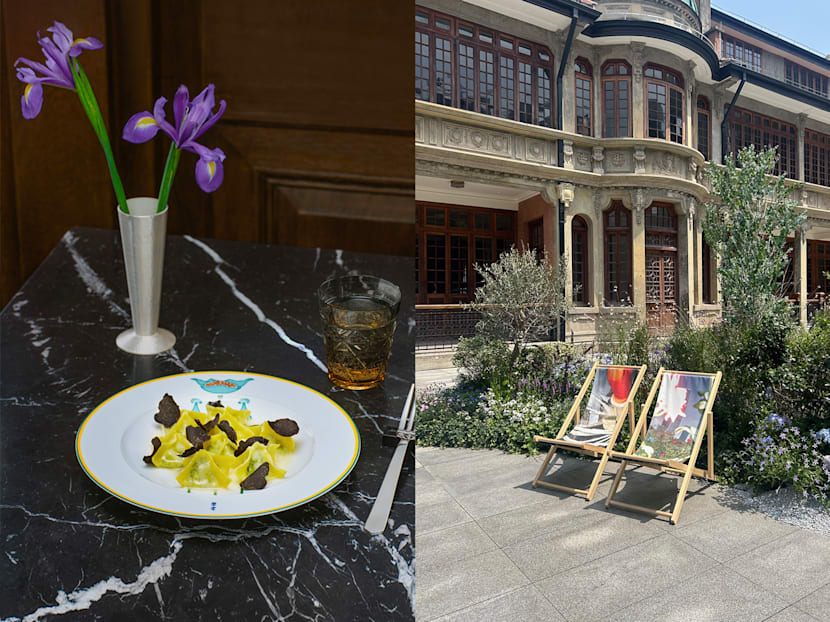
While in Shanghai, dine at Prada Rong Zhai's Mi Shang restaurant (left) and visit cultural landmark Zhang Yuan. (Photos: Prada Rong Zhai; Luo Jingmei)

This audio is generated by an AI tool.
The last time I visited Shanghai was in 2011 to meet architects Lyndon Neri and Rossana Hu. Their firm Neri&Hu Design & Research Office (NHDRO) was steadily gaining attention after having designed The Waterhouse at South Bund hotel, an unconventional hotel developed by Singapore’s Unlisted Collection (it is now under Shanghai Hotels).
The architecture firm went on to create many hospitality works like The Shanghai Edition, Alila Bangsar in Kuala Lumpur and the upcoming Andaz Taipei. Neri and Hu grew up in the United States but established their firm in Shanghai in 2004. Their success reflects the city’s graceful growth. This was what I had come to explore.
“Shanghai exhales, and in its breath blooms a quieter renaissance. Gone are the days of frantic expansion; now, the city’s pulse beats in converted lane-house galleries, micro-roasteries and designer collectives,” shared Neri when I asked him to describe the city now. “Like Berlin after reunification, Shanghai’s suspended moment reveals patterns more precious than towers – a civilisation remembering how to make meaning before it makes more.”
LUXURY SHIKUMEN STAY
Capella Shanghai, Jian Ye Li is one such meaningful treasure. Designed by the late-Jaya Ibrahim, it is a unique hotel, with only 55 villas in restored shikumen townhouses that were popular living compounds in the 1930s for Shanghai’s middle and upper class in the low-rise Hengfu Historic and Cultural Area.
Each four-storey villa enjoys a charming entry courtyard. Windows open to birdsong, and the brick-and-stone facades offer timeless photographic backdrops. New Shikumen-style blocks containing the reception, amenities and Auriga Spa form a courtyard, fronted by the F&B block facing maple-lined pedestrian-friendly streets that make this a real neighbourhood spot.
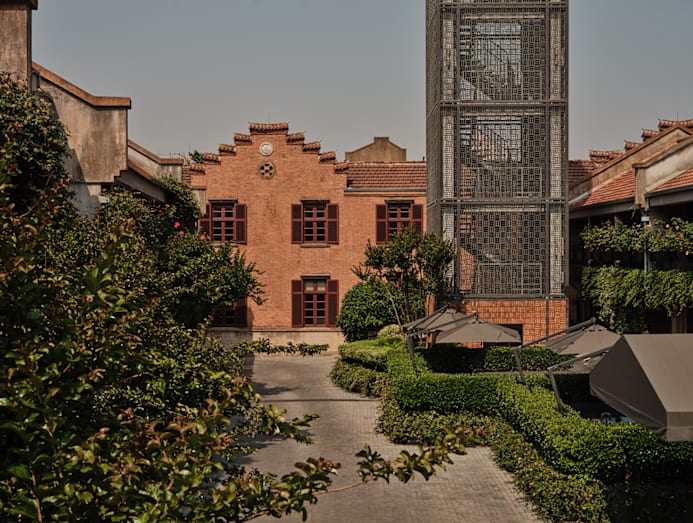
Regulars passing by with their pets linger with a coffee and French bakes from La Boulangerie. Upstairs, Michelin-starred Le Comptoir de Pierre Gagnaire, helmed by French-Mexican executive chef Ramses Navarro, serves the most refined French fare I had during this trip.
There was the savoury Snapper en papillote and Morel mushrooms from Yunnan crepes Clos Fleuri. Dessert was Navarro’s simple yet endearing rendition of strawberries and cream, made with strawberry balsamic sorbet.
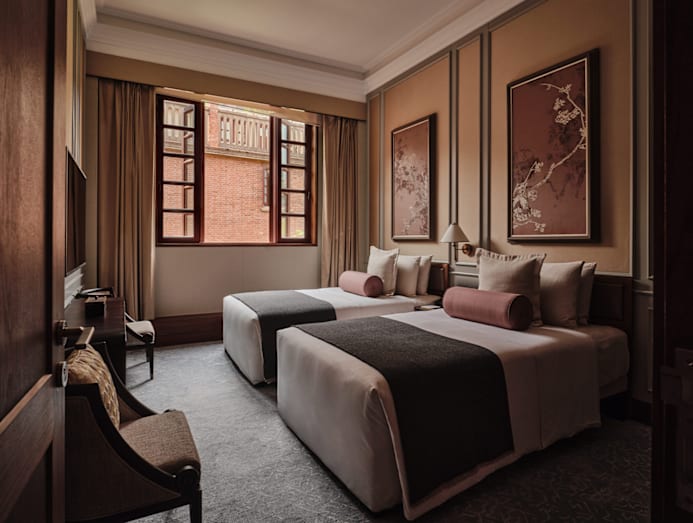
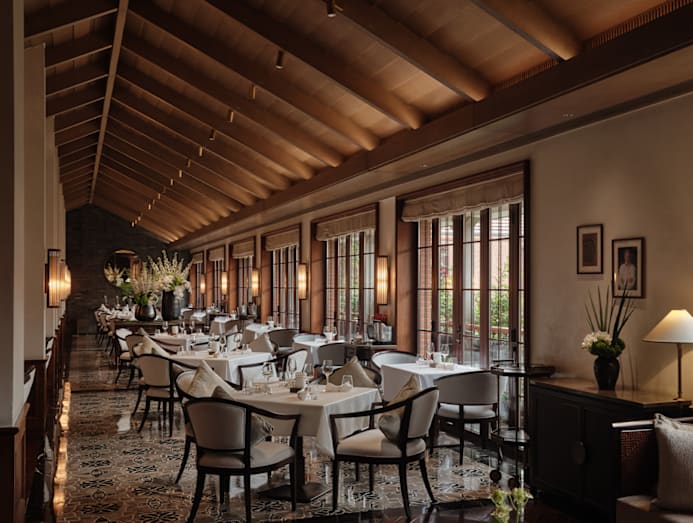
I loved Capella Shanghai so much I made a trip back there one night to have a nightcap at Le Bar after moving to another hotel. There is another reason to visit Le Bar, which has signature cocktails such as "Sometimes ever, Sometimes never" (a concoction of red bean, date, rum and port) – it is one of only 58 properties in Forbes Travel Guide’s inaugural Star Bars List that was released on Jun 9, 2025.
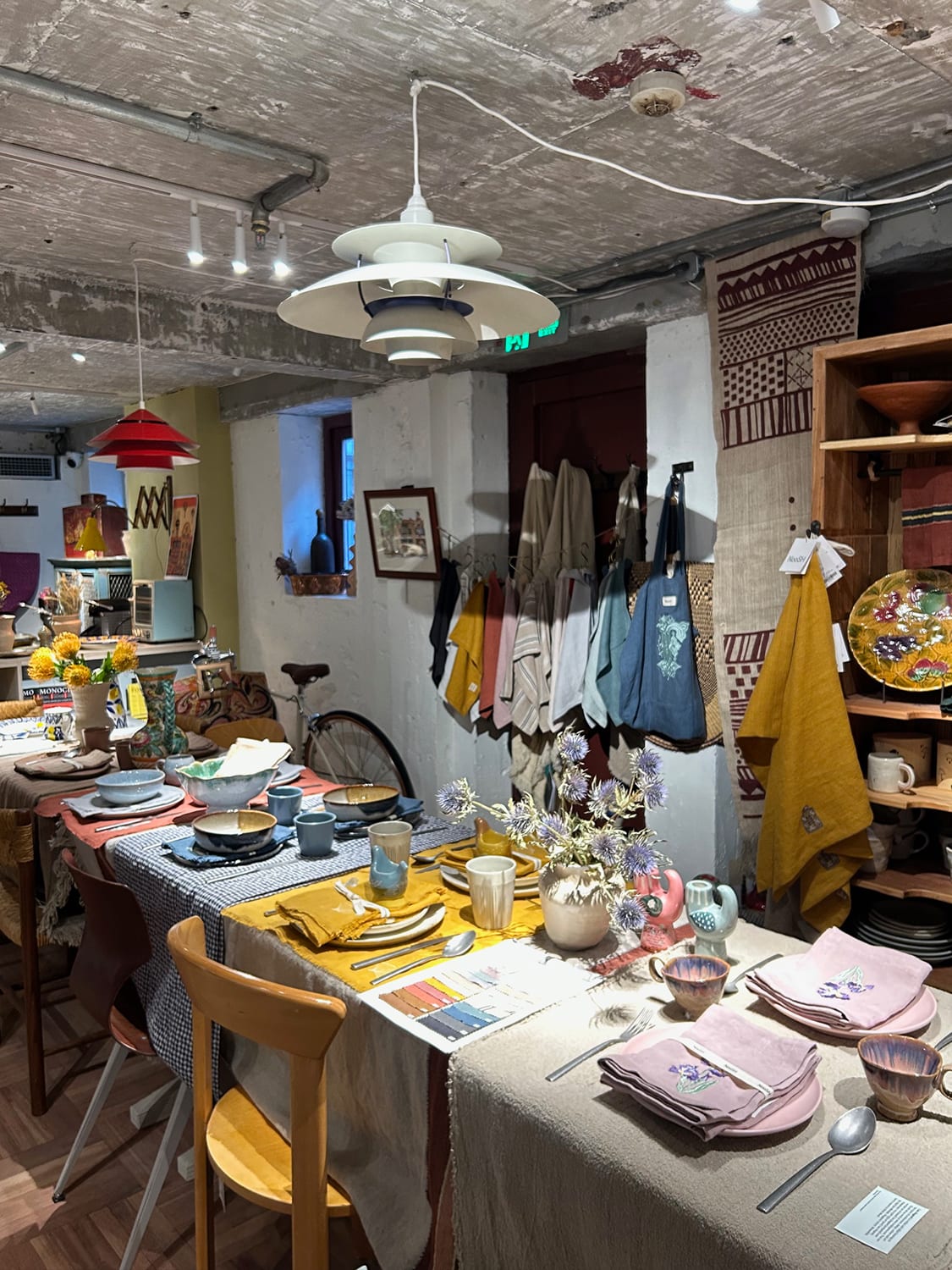
Just outside Capella Shanghai is an interesting retail shop, Emme. Husband-and-wife owners, Martin Ling and Eva Zhou, curate the clothing, homewares and accessories from a list of 1,000 global products sourced annually. Cement ceilings, whitewashed walls, rugs layered on stone-tiled floors, a vintage Charlotte Perriand chair and custom stained-glass wall lamps embody Emme’s eclectic spirit.
TUNA CHEONG FUN, ANYONE?
For experimental Chinese cuisine in a stylish setting – think tuna cheong fun soaked in smoked soy sauce – head to Bastard. I still think about this dish, which I can only describe as a strangely addictive marriage of tuna tartare and Asian umami. If you like alcoholic drinks, try the Red Date negroni or some natural wine.
The owners are business partners Michael Janczewski and Jiro Hsu – they met while working in Hong Kong’s Black Sheep Restaurants. Polish chef Janczewski moved to Hong Kong in 2015 to cook at Ho Lee Fook and Belon. He moved to Shanghai in 2018 and after some time at Canton Disco in The Edition, Shanghai, he founded Bastard with Hsu who focuses on the restaurant’s marketing.
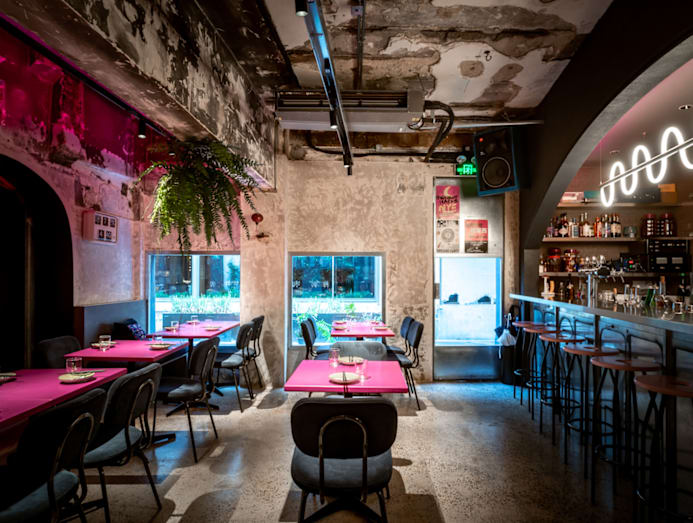
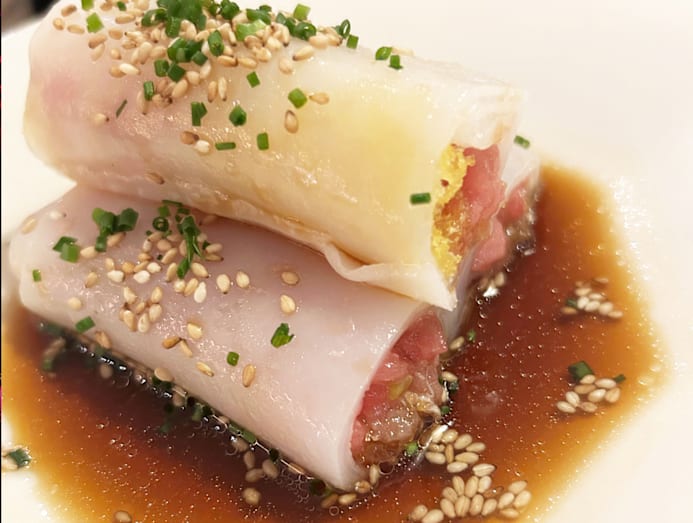
Located in a former youth hostel in the Jing An district, you'll find Bastard by walking through a small lane from Yanping Road. “You kind of have to know where we are and where you’re going – just like those hidden places in Japan,” Hsu commented.
The area used to be a popular bar area for expats before the pandemic, but is now quieter. “However, it is still close to Jing An Temple and the Central Business District, where there are a lot of branding offices and creative agencies. That is why we saw the potential of having our restaurant here because we wanted it to gather different kinds of creative people, and for them to have this exchange in a small, modern Chinese restaurant that doesn’t look like a typical Chinese restaurant,” said Hsu
MOD-CHINESE CUISINE
Sui Tang Li is another place to go for interesting contemporary Chinese cuisine. A Michelin-selected restaurant and six-time Black Pearl One Diamond Award winner, it is helmed by chef Tony Ye and located in The Middle House by Swire Hotels.
The Shanghai local dreams up elevated versions of traditional dishes, such as iberico ham xiao long bao and salty lemon-infused double-boiled duck soup. A fun dessert to order is the Jumping Egg: Crack the white chocolate shell with a spoon to see the oozing chilled mango cream colour the plate golden.
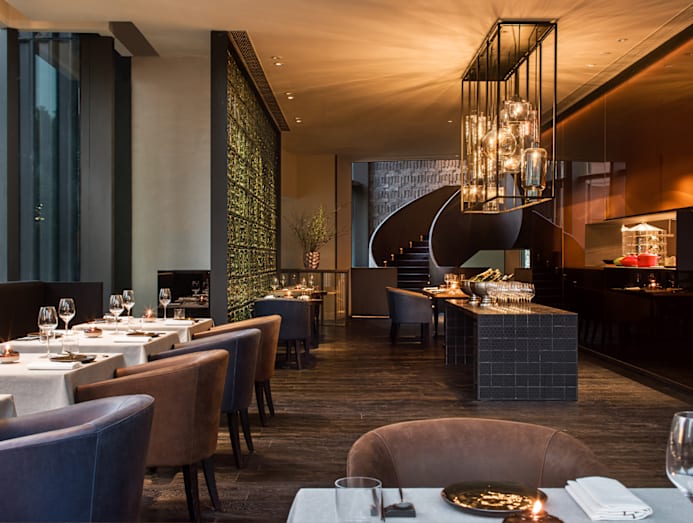
Twice a year, chef Ye explores different parts of China to create a special menu. Available until October this year, the Bashu Impression Menu offers 21 dishes inspired by Sichuan and Chongqing, which are famous for produce like Ya’an caviar and Zigong peppercorns.
The Spicy Scallop with Termite mushrooms and Ya’an caviar that I tried was full of texture, while the light dessert of JingYan Ice Cream, Glutinous Ball, Peanut and Brown Sugar with hints of Zigong well salt was beautifully assembled into a flower.
ART, COFFEE AND HISTORY
For an afternoon amble, head to Zhang Yuan. The historic shikumen enclave dating back to 1882 in the Nanjing Road West area has been restored into a new commercial and cultural landmark. It was the city’s largest civic park during the late-Qing Dynasty and rich with history, being where China’s first electric lamp was lit and first film was released to the Chinese; revolutionary figures like Sun Yat Sen also gave speeches here.
The ambitious urban regeneration project has attracted brands like Louis Vuitton and Onitsuka Tiger to open boutiques and pop-ups. The historic compound’s alleyways, where traditional community life once thrived, also inspired NHDRO’s Blue Bottle Coffee shop. A lightweight metal structure inserted within the historic walls of brick and stone evokes the casual structures residents used to extend into the public alleyways.
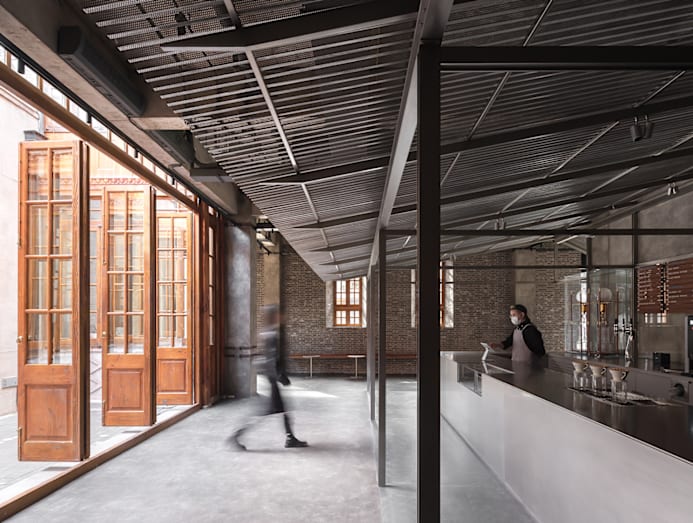
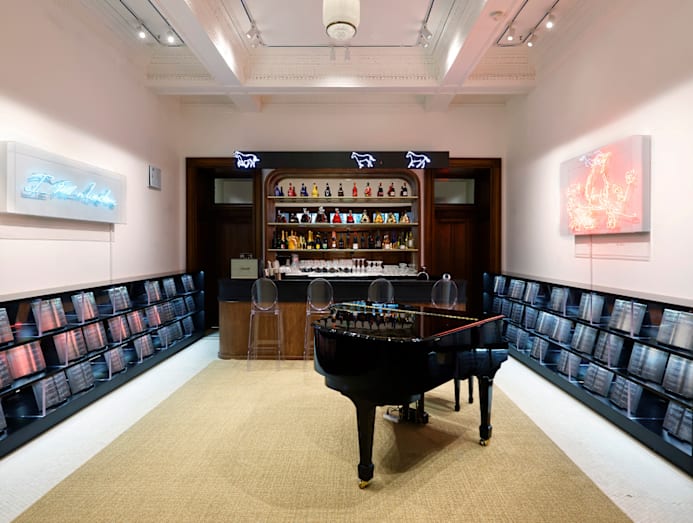
After your coffee break, find your way to Yuan Link at No 41 in block W16. The 1932-designed building’s former resident was Wang Xianchen, who became a comprador of the British Macquarie Bank (the predecessor of Standard Chartered Bank). Yuan Link’s intimate galleries showcase artwork by Chinese and Western artists such as Liu Jianhua, Tracey Emin and Julian Opie. Be sure to book an appointment, as there are limited entry slots daily.
Continue your stroll to Prada Rong Zhai just 15 minutes away. The building once belonged to Wuxi-born Chinese tycoon Rong Zongjing who lived here in the 1920s and 1930s. It has exquisite craftsmanship at every turn – hand-carved wood details, stained glass windows and ceilings, patterned floors and ceramic tiles made by the best artisans of the day.
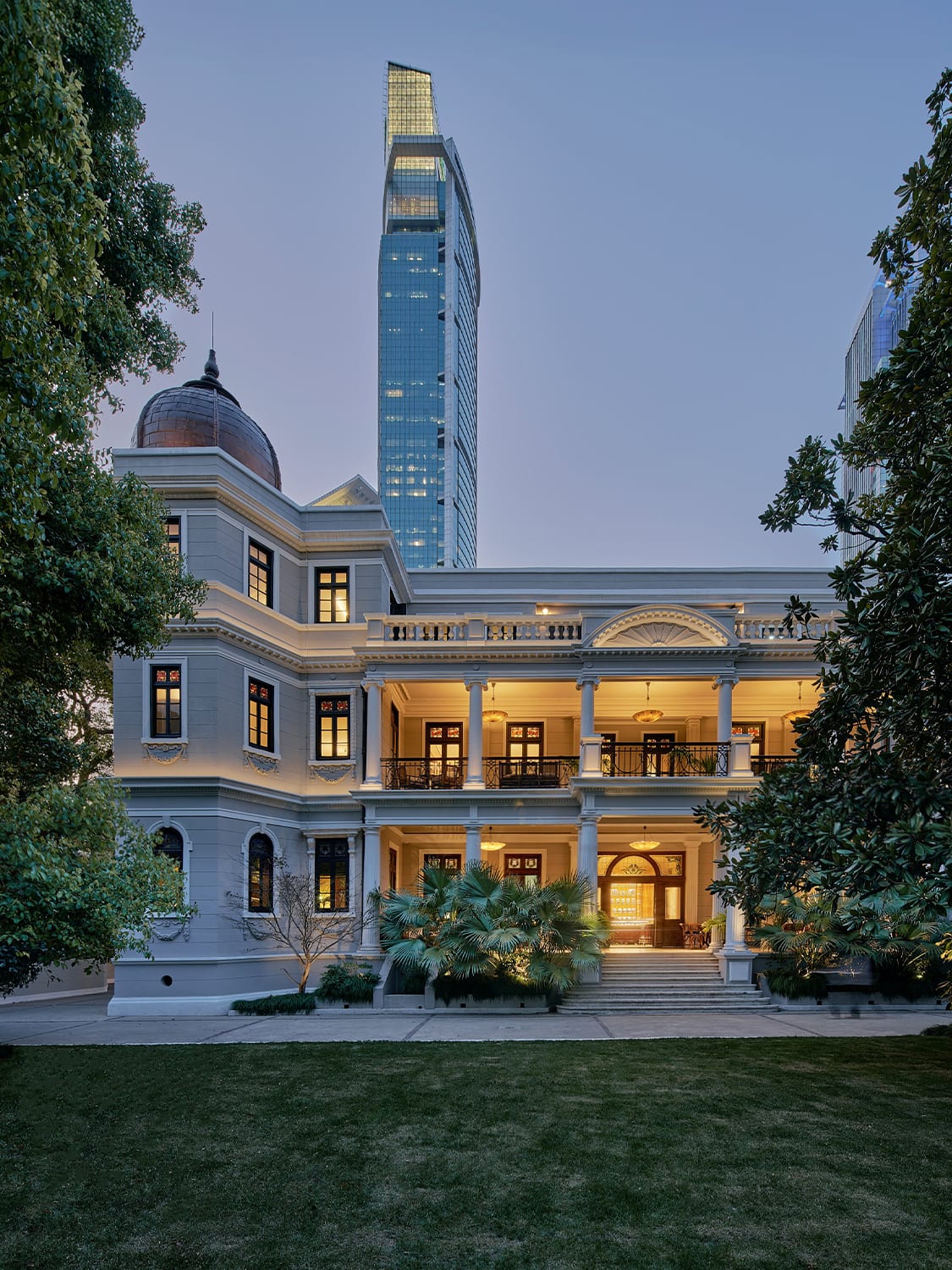
In 2017, Fondazione Prada took over the building, and had it restored and refurbished by architect Roberto Baciocchi. Prada Rong Zhai is one of five global cultural venues of Fondazione Prada. From November 2025 through to January 2026, there will be a showcase A Kind of Language: Storyboards and Other Renderings for Cinema, which will display artefacts from 50 film creatives.
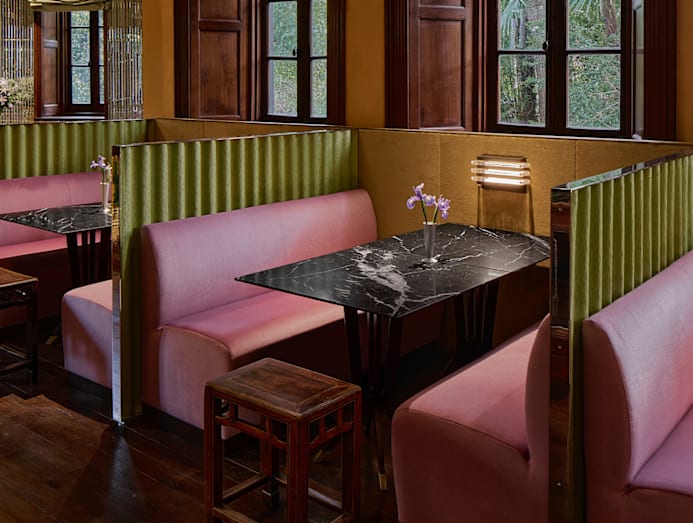
It is a fitting accompaniment to Mi Shang – a cafe and restaurant conceptualised by famed Chinese film director Wong Kar Wai in collaboration with the fashion brand. I recommend dining here at dusk, when the setting sun brings added emotion to Wong’s nuanced interiors of reflective surfaces, Murano glass elements and the villa’s preserved components.
WONDERS AT WEST BUND
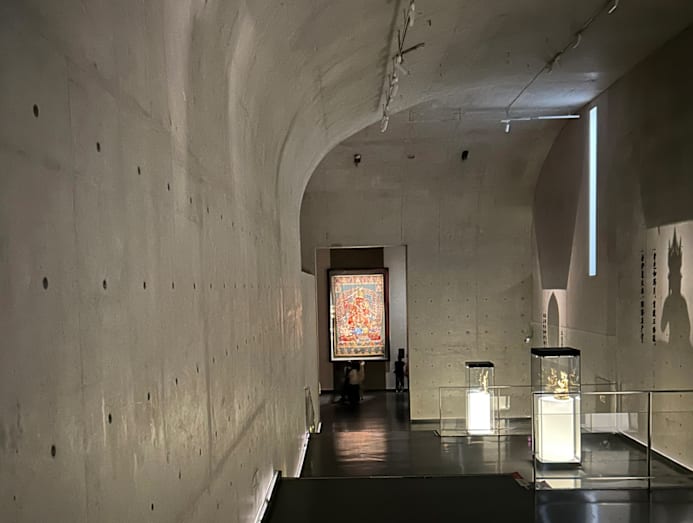
On art and design, one should not miss the thriving district of West Bund along the Hangpu River. The Long Museum at the West Bund is breathtaking. Founded by art collectors Liu Yiqian and his wife, Wang Wei, it opened after the success of the Long Museum Pudong.
Long Museum at West Bund, designed by Chinese architecture firm, Atelier Deshaus, has expressive soaring concrete "umbrella vaults". The preservation of a 1950s coal-hopper-unloading bridge that visitors can walk under memorialises the site’s heritage as a former coal transportation wharf.
The exhibits I saw when I was in Shanghai in May were studies in contrasting craft. Panorama – Timeless Imprints of Civilisation was a show-stopping display of ancient China’s mastery of craftsmanship, with over 200 bronzes, ceramics, jades and ancient furniture from Liu’s private collection.
I would recommend a full day – or even two – to explore the West Bund’s manifold art offerings. A 30-minute stroll south along the river from the Long Museum at West Bund leads to Tank Shanghai. Designed by Open Architecture, galleries and public spaces are contained in decommissioned aviation fuel tanks from the former Shanghai Longhua Airport. In between the gleaming-white, UFO-like round buildings, green fields and tree clusters invite picnics under a blanket of blue skies.
PICTURES AND PANORAMA
Photography lovers can head north to Fotografiska Shanghai. Opened in 2023, it is the first Asian outpost of the photography museum from Stockholm. The former bank warehouse with a brick facade – yes, another lovely, restored old building – is located along Suzhou Creek, a tributary of the Hanpu River and a rising artistic district with galleries like Suhe Haus and the Rockbund collective of old buildings that took David Chipperfield Architects 17 years to rejuvenate.
AIM Architecture refurbished Fotografiska Shanghai, layering a new narrative onto to old shell by mixing wabi sabi raw walls, glossy floor tiles, and a chromatic palette for the furniture and fixtures.
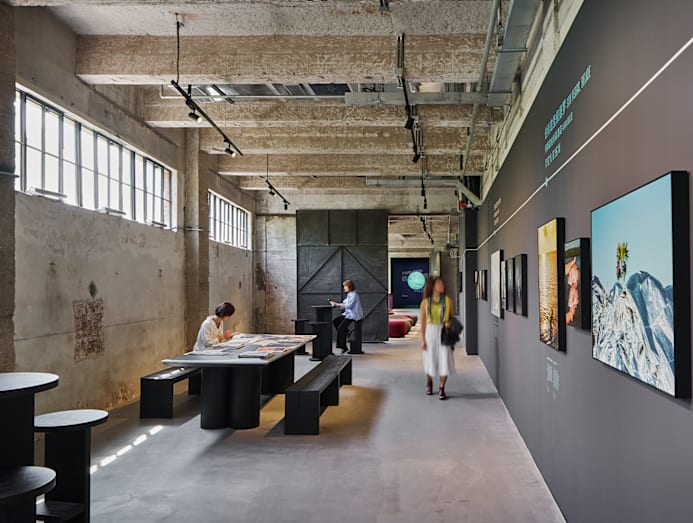
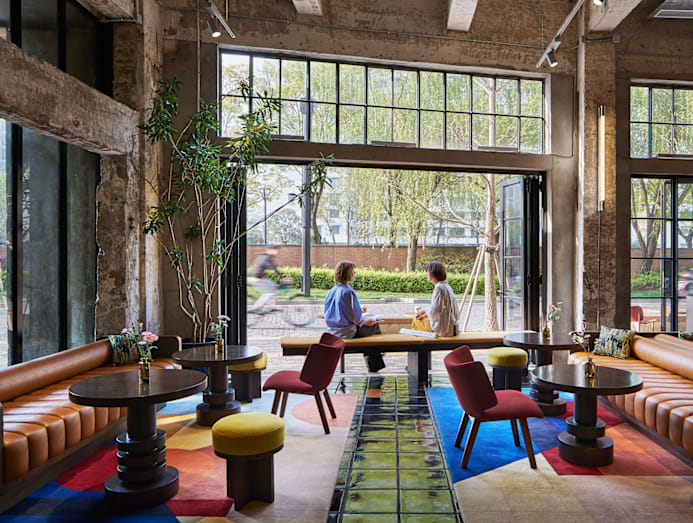
A photography exhibition about the city you are exploring is a good way to delve deeper into its underpinnings, and you do not even have to leave the building for meals. Start with a coffee at Fotografiska Cafe Bar while people watching, then take a break at Gelato Bello that offers limited edition flavours inspired by current exhibits. For dinner, get a spot at Mediterranean Asian-fusion bistro MONA, and then end the day at the rooftop bar to the quiet spectacle of twinkling lights in the distance.