Is Longchamp’s Le Pliage the most popular handbag on the planet?
Owned and run by the Cassegrain family, Longchamp is flying high after being embraced by Gen Z.
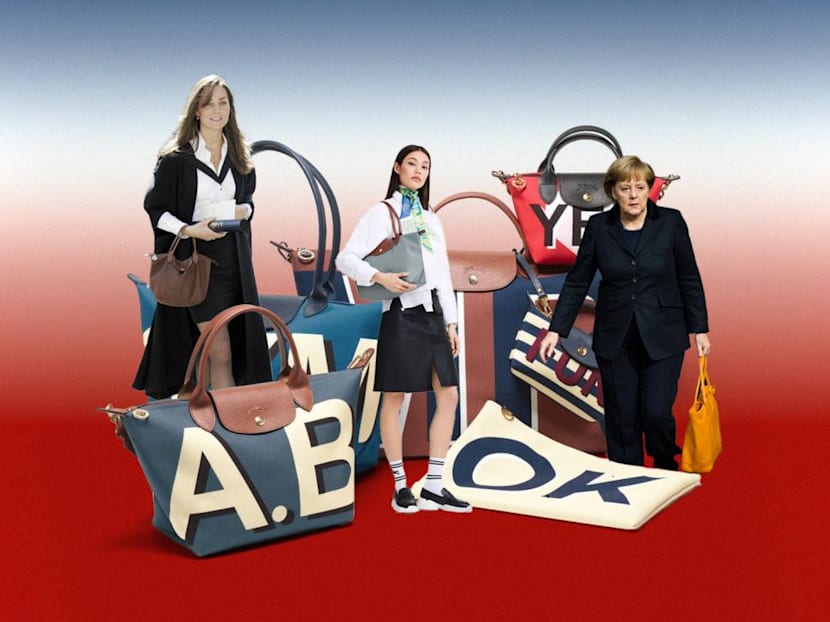
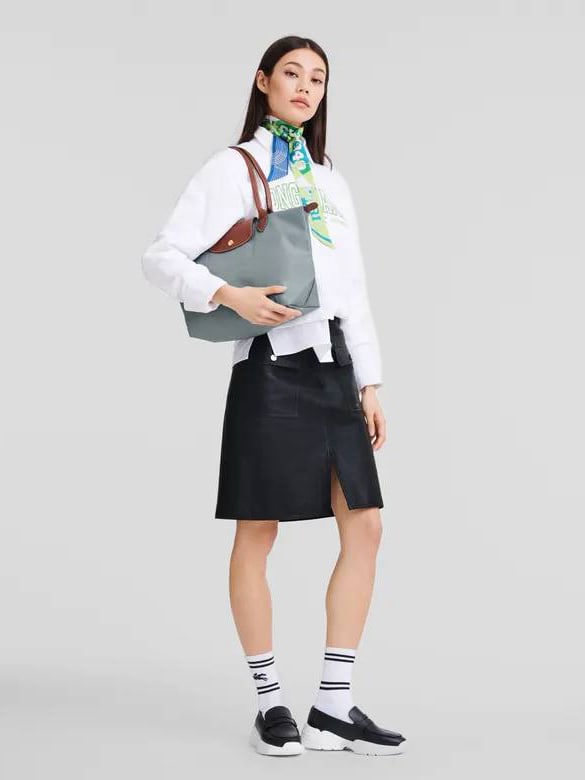
The Longchamp Le Pliage bag has shown a cross-generational appeal like almost no other, and in 2025, the brand offers a new way to make the popular Le Pliage bag your own via My Pliage, where users can customise their own bag, from fabric colours to hardware finishes. (Photo: Longchamp & AFP; Art: CNA/Jasper Loh)
There is a handbag which, if you have been paying attention, appears everywhere, wherever you are in the world, and has done for decades. You’ll see it in airports and on train platforms, in office lobbies and department stores. More recently, it has been found on the arms of teenage girls in classrooms and campuses, after being enthusiastically adopted as the school bag of choice by Generation Z.
Few branded fashion items are happily bought by grandmothers, mothers and daughters alike, but the Longchamp Le Pliage bag has shown a cross-generational appeal like almost no other. Launched in 199a3, inspired by Japanese origami and named after the French word for “folding”, the tote is made from recycled nylon canvas, with neat leather handles, a snap-button flap that allows it to be folded up and a £125 (US$164; S$216) price tag for the standard size.
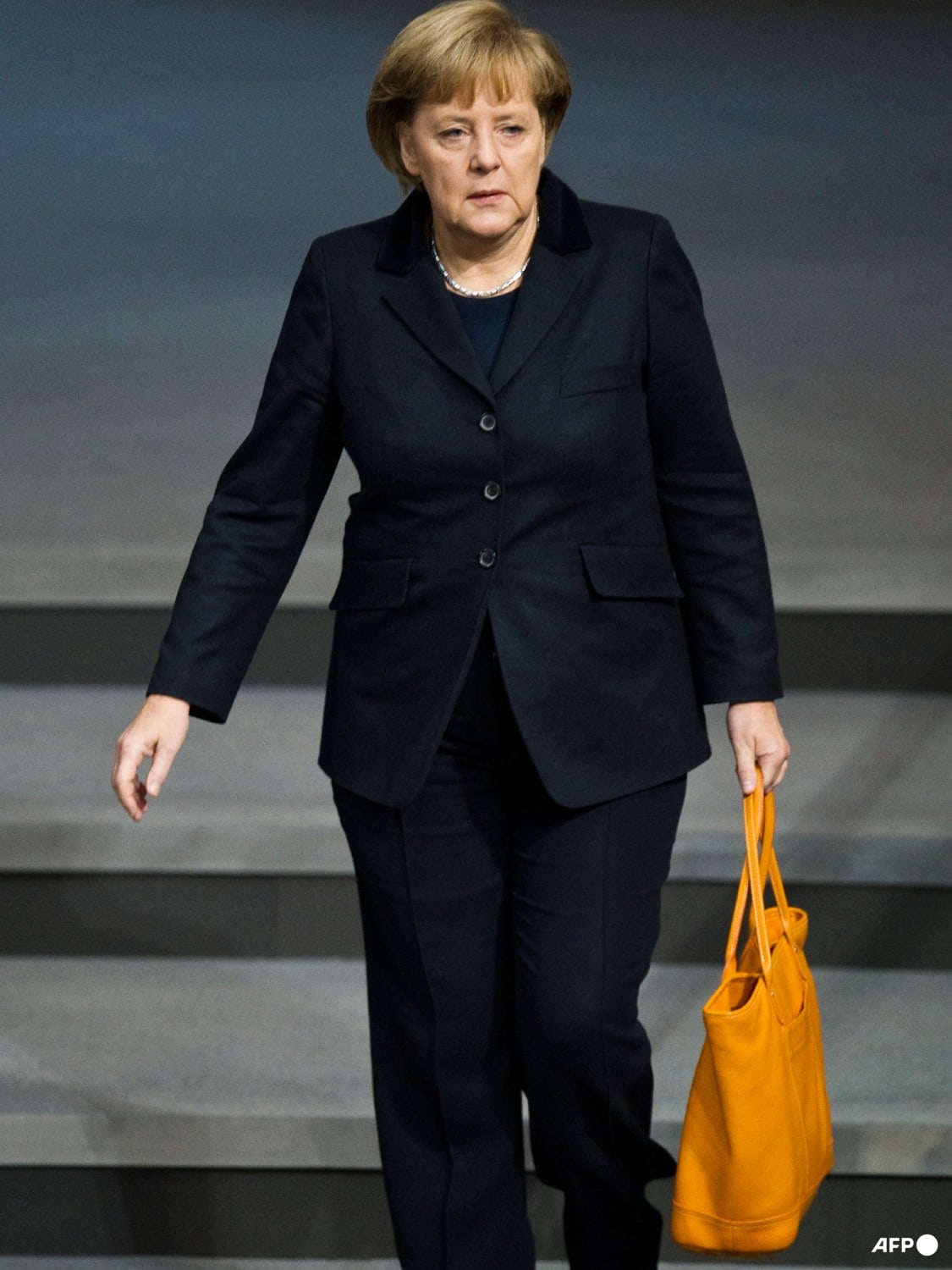
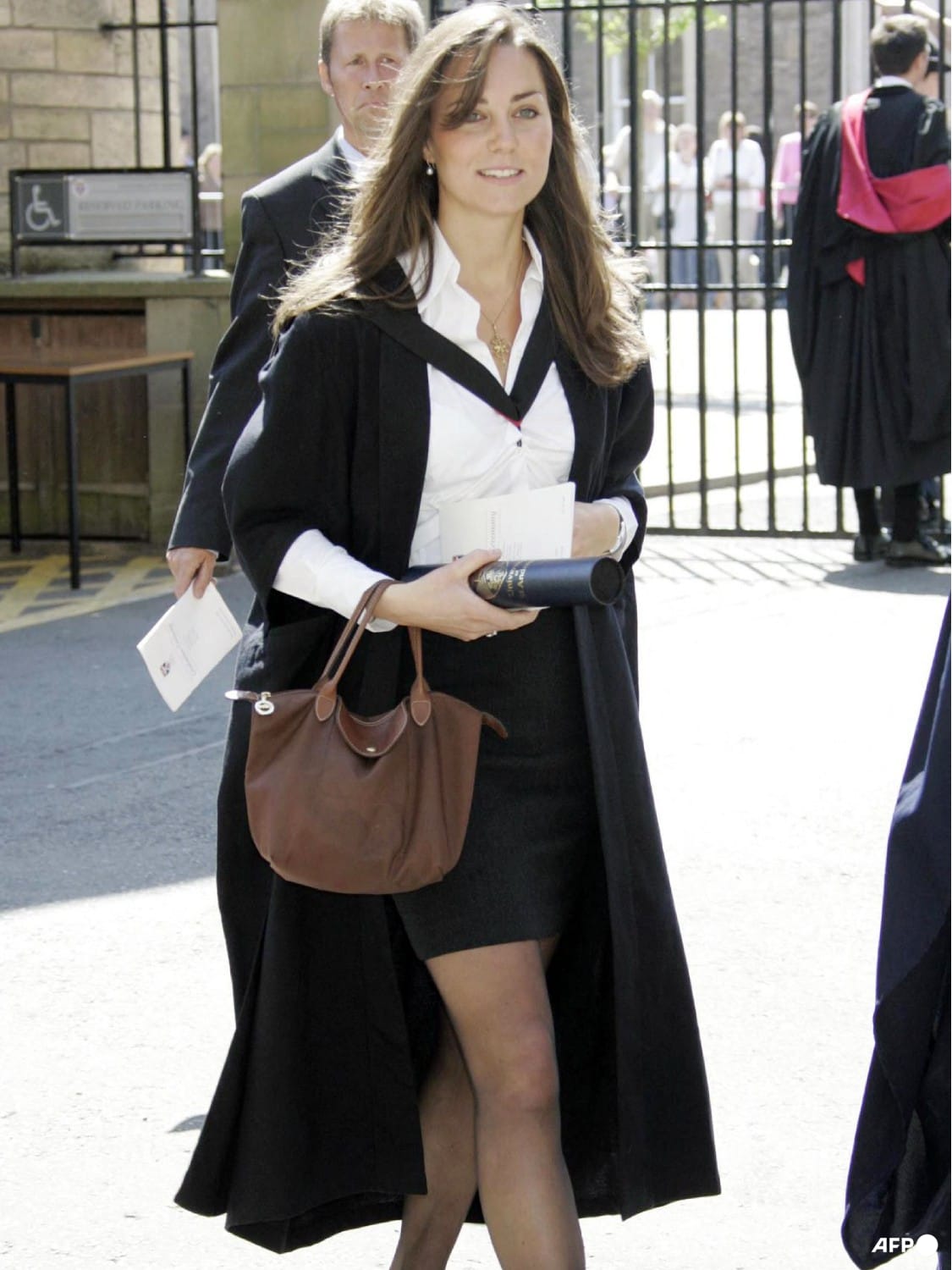
Le Pliage is not sexy or trendy, or a bag that looks like its wearer is screaming for attention. But it is affordable, durable and versatile, coming in myriad colours and sizes and with a broad church of high-profile fans ranging from Beyonce and Kendall Jenner to the Princess of Wales and Angela Merkel. According to Jean Cassegrain, chief executive of Longchamp, the brand privately owned by his family since it was founded by his grandfather in 1948, its anti-fashion characteristics have not just made Le Pliage an enduring classic; he believes it is the most popular luxury handbag style in the world.
“I think we can probably say it is the best-selling bag design ever, across all categories,” says Cassegrain with a small smile, over a plate of madeleines at the Longchamp headquarters in Paris in November 2025. The company does not disclose financials, nor how many units of the Le Pliage it sells each year (before the pandemic, retail analysts estimated it was 11 per minute). But a company spokesperson told the Financial Times that Longchamp achieved record sales results in 2024, up 20 per cent from 2023 (where sales were up 40 per cent compared to 2022). In other words, a stark contrast to the fortunes of most other names in fashion and luxury, given the recent sector-wide downturn.
Whether Longchamp can really be considered a luxury brand is up for debate (Chanel and Hermes would surely disagree). Alongside its accessories, eyewear and footwear, a women’s ready-to-wear line was started in 2006; given the stiff competition, however, any occasional presence at Paris Fashion Week by the brand is always low-key. Still, it has created a consistently aspirational aura around its products, fuelled by French heritage, associations with a preppy old-money aesthetic and horseracing, as well as solid European craftsmanship credentials. It has also made the relatively understated Cassegrain family billionaires in the process.
“Longchamp’s smart pricing is a crucial part of their strategic edge, enabling students to purchase their first ‘designer bag’ at an entry price point, while offering a more affluent clientele more elevated options,” says Achim Berg, founder of FashionSights, a luxury industry think-tank. “The brand has also been careful with their price increases. Larger parts of the industry got carried away by raising their prices higher and higher.”
Cassegrain says that Longchamp has never deliberately targeted teenage girls as part of its marketing strategy. “That demographic does not want something that feels like it’s been made for them, especially for that ‘first bag’ purchase,” he adds. “It really only works when they feel like they took it and embraced it for themselves.”
Unintended or not, after a difficult pandemic, the bag’s popularity with young shoppers as a nostalgic status symbol (or possibly anti-status symbol) is what has taken the company to new heights. According to data from fashion shopping platform Lyst, demand for the Le Pliage bag range has grown, on average, 68 per cent per year, for the past five years, navigating a balancing act between being highly visible yet somehow remaining desirable to both new and existing customers.
“It’s very unusual to see steadily increasing desire, at this volume, over this kind of timeframe, because of how quickly trends cycle through now,” says Lyst vice-president of brand Katy Lubin. Trend strategist Lucie Greene adds that while Gen Z may be gravitating towards Longchamp as their parents and grandparents did before them, it’s thanks to different motivations and the brand’s near-ubiquitous presence on social media, from product reviews and explainers on how to correctly fold the Le Pliage to “what’s in my bag” rundowns. It also got high-profile placement in the smash Netflix show Emily in Paris (which the brand says it did not pay for).
“They’re a very self-confident generation, and think of themselves as very values-orientated,” says Greene. “They like brands that were part of the iconography of past pop cultures — look at their TikTok obsession with Le Creuset. A lot of luxury names lost relevance to teens a long time ago. But Longchamp has this anti-seasonal, anti-trend cachet. It isn’t trying to be cool, just good. And young shoppers appear to really like that.”
‘PEOPLE KNOW WHAT WE STAND FOR’
Longchamp is one of the few remaining high-end brands actually owned and operated by one family. Jean Cassegrain is the CEO, his sister Sophie Delafontaine is artistic director, while brother Olivier is managing director of retail in the US. Recently, the next (and fourth) generation have been given managerial roles: Sophie’s daughter Juliette Poupard is head of global events, while Jean’s son Hector is the managing director of France, and his other son Adrien is transformation and corporate and social responsibility director (Le Pliage bags are now made from 100 per cent recycled nylon canvas, and the brand has long offered aftersales repairs).
Longchamp has several business strengths, including an early and strong foothold in airport and travel retail. After revamping most stores post-pandemic, today the brand has about 400 boutiques worldwide (three quarters of sales are now direct to consumers). It has 4,245 employees and five French workshops that still handle the bulk of the leather goods work for its accessories. Other handbag styles are selling well beyond Le Pliage — notably, the 30-year-old Le Roseau, with its distinctive bamboo clasp. But to Cassegrain, the third chief executive in almost 80 years and a man who says he knew he would lead the brand from a very young age, being family-owned remains Longchamp’s greatest competitive advantage, especially in this trading climate.
“It means we are able to really think long-term. We can invest heavily as and when we need to, without having to report every gain or loss or constantly give good news to the stock market,” says Cassegrain, who adds that he feels “extremely confident” it will remain an independent house. “But we are also a medium-size company in a world with a lot of giants. So what keeps me awake at night is the need to continue growing, because of the critical mass that is needed to exist in today’s market.”
Later, the next generation of cousins gather at the same table, jesting that this type of union is barely managed at Christmas, let alone for a work event. All worked elsewhere before joining the family business; all three also now have young children of their own who presumably — eventually — will follow in their parents’ footsteps. One of the trio will almost certainly become the next CEO, though it is not clear yet who.
“We are proud of the quality and knowhow put into our bags, but we are also not the kind of brand that has its product made in Italy for €50 (US$59; S$76), then sells it for several thousands,” says Adrien Cassegrain. “We are honest, and people seem to really be responding to that, especially in the current environment,” adds Hector. “We offer them what they see as good value for their money.”
Poupard seems to keenly understand that the way to younger hearts and minds is not through runway shows, but rather events that translate well on social media, taking influencers on hot-air balloon trips across the Cotswolds, for example, or ice skating in Val d’Isere. Her litmus test for success, she says, is whether — with all logos removed — people would still know these experiences were Longchamp events. And many of the identifying factors of the Longchamp world — playful, eye-popping colours, minimalism, a practical Parisian air — were in large part honed by her mother and grandfather.
“My father always had a very strong vision for products that mix functionality and style, where there’s nothing unnecessary and everything has its place. But when I arrived I wanted to bring more fun and femininity to the collections,” says Sophie Delafontaine.
There are many stories of sibling rivalries and familial rifts in the fashion business. Have the Longchamp scions ever felt such tensions?
“I have never found it difficult to work in a family business — if anything, working with family makes things easier,” says Delafontaine. “We have been raised with the same values and vision but have our own strengths, so we are confident in each other’s abilities and really trust each other. It allows you to take more risks, because you feel supported. It’s an environment that gives you confidence.”
While France remains Longchamp’s largest market and half of annual sales are in Europe, the US and China are not far behind. In terms of products, Delafontaine says Longchamp is now planning a foray into fragrances.
“I think our brand is happy and optimistic, and we have been building that message for decades to make sure people know exactly what we stand for,” adds Olivier Cassegrain, who runs the US business. “Maybe people need that positivity and familiarity right now, whatever their age or stage in life.”
Elizabeth Paton © 2025 The Financial Times.
This article originally appeared in The Financial Times.