Can Grace Wales Bonner make Hermes menswear cool for the new generation?
The British-Jamaican designer brings cultural luxury and scholarly rigour to one of French fashion’s most storied houses.
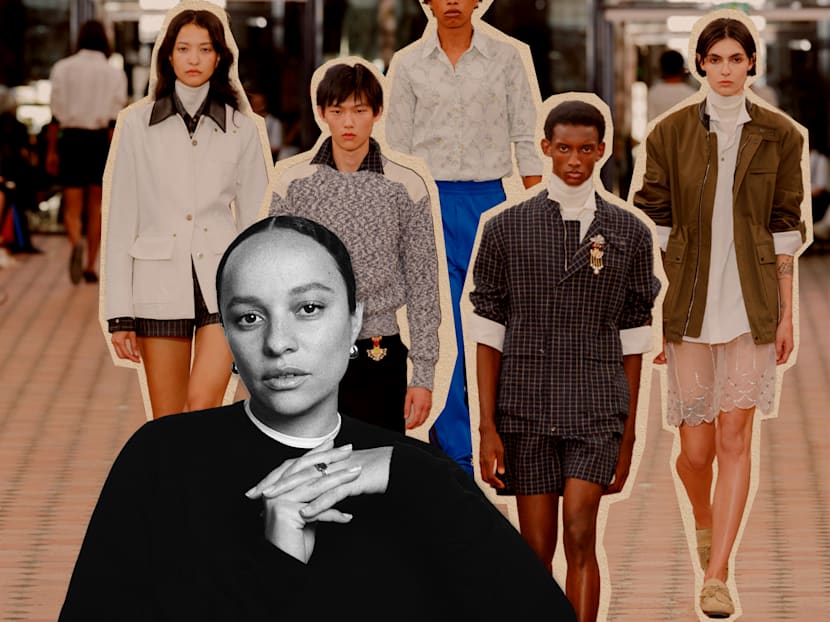
Grace Wales Bonner has been named Hermes’ new menswear creative director, succeeding Veronique Nichanian after a 37-year tenure. (Photos: Hermes and adidas; Art: CNA/Chern Ling)

This audio is generated by an AI tool.


When Hermes announced Grace Wales Bonner as its new menswear creative director in October, the reaction was less a gasp than a knowing nod. Fashion had spent weeks speculating over who might inherit Veronique Nichanian’s remarkable 37-year tenure – the longest creative leadership run in modern luxury.
At 35, Wales Bonner is the first Black woman to lead a major European luxury house – and she wasn’t even born when her predecessor took the reins of Hermes' menswear. Yet for anyone who has followed her rise since her Central Saint Martins days, the move feels both bold and strangely inevitable. She once told System magazine that working with Hermes would be “a dream” – now, that dream has materialised into one of the most exciting designer-maison pairings in recent memory.
A MATCH YEARS IN THE MAKING – EVEN IF NO ONE SAW IT COMING
On the surface, Hermes and Wales Bonner appear worlds apart: one rooted in exacting French savoir-faire, the other celebrated for Afro-Atlantic narratives, spiritual symbolism, and deeply intellectual design.
But look closer and the synergy becomes obvious.
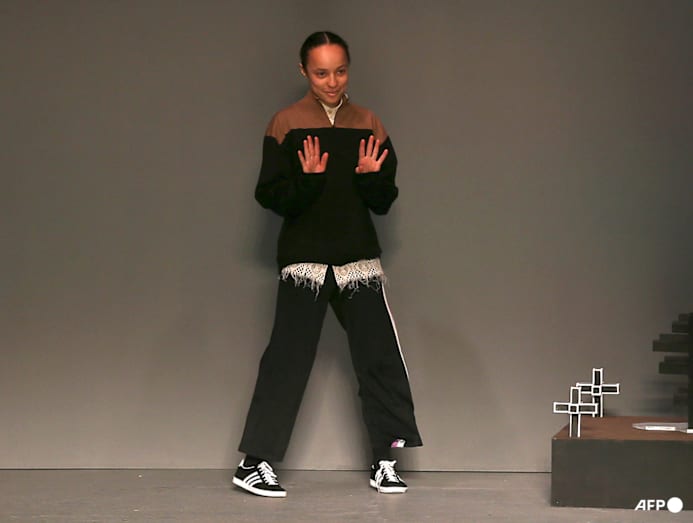
Hermes has long positioned menswear as a space of artistic dialogue. Nichanian was famously museum-like in her approach, prioritising materials, technique, and philosophy over trends. The house collaborates frequently with contemporary artists, commissioning ceramics, textiles, and prints that sit comfortably within its legacy of handcraft.
Wales Bonner, meanwhile, is one of the few contemporary designers who treats fashion as a cultural thesis. Research is not mood-board fodder for her; it is the skeleton of the work. For her own label’s fall/winter 2024 collection, she spent weeks at Howard University’s Moorland-Spingarn Research Center studying its athletic, musical, and literary archives. For fall/winter 2023, she drew on the legacies of James Baldwin, Aime Cesaire, and Frantz Fanon – Black intellectuals who made Paris a creative home – and that collection was accompanied by original compositions by Kendrick Lamar, Duval Timothy, and Sampha.
While many creative directors dabble in the arts, Wales Bonner builds worlds. Hermes, with its history of craftsmanship and artistic patronage, is one of the few houses that offers the space – and the artisans – for that world-building to flourish.
THE ENIGMA WITH A CULT FOLLOWING
For all her cultural gravitas, Wales Bonner herself is often described as soft-spoken and mysterious. Small in stature and famously absent from social media, she carries an understated presence that can feel at odds in an era of rockstar designers.
Born in south-east London to an English mother and Jamaican father, she grew up moving between cultures, absorbing histories, rhythms, and philosophies that would eventually shape her fashion vocabulary. Her eponymous label, founded immediately after she graduated in 2014, was built on the idea of “cultural luxury that infuses European heritage with an Afro-Atlantic spirit”.
Recognition came swiftly: her graduate collection Afriquewon the L’Oreal Professionnel Talent Award, and by 2016 she had claimed both the British Fashion Award for Emerging Menswear Designer and the LVMH Young Designer Prize.
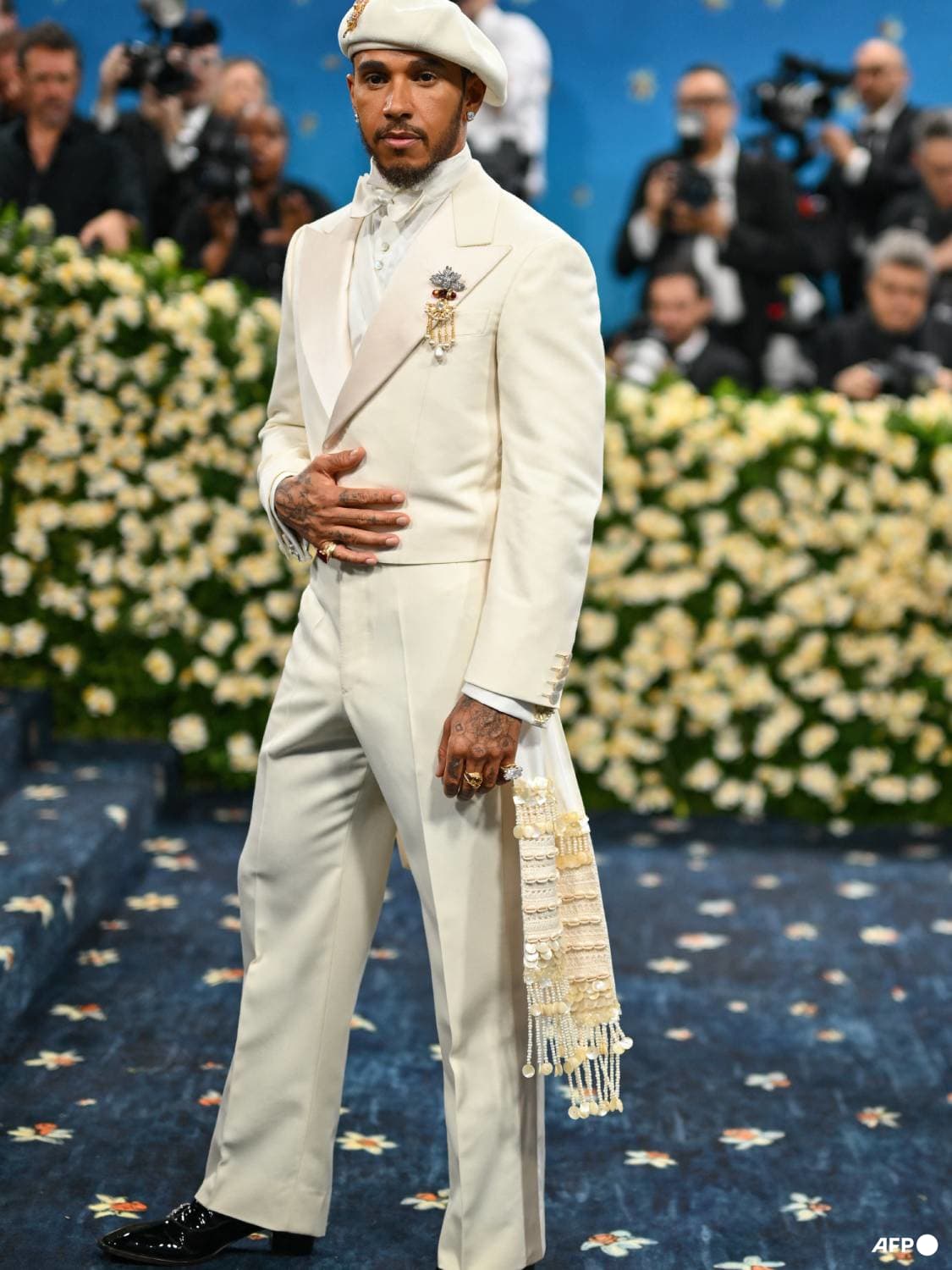
Wales Bonner’s fans form a constellation of cultural heavyweights. Kendrick Lamar namechecks her on The Hillbillies. Lewis Hamilton wore her custom ivory suit – with cowrie shell details and baobab-inspired motifs – to the 2025 Met Gala. Solange, FKA twigs, Naomi Campbell, and Meghan Markle have all worn her designs at major public appearances.
In Asia, the devotion is discreet but growing. Thai actor Apo Nattawin recently appeared in a Wales Bonner cobalt-blue tracksuit. South Korean DJ and singer Peggy Gou was spotted in a tee from her collaboration with artist Theaster Gates, while several members of Hybe’s new boy group Cortis have worn her clothes for their debut promotions.
A STELLAR TRACK RECORD OF HYPE CREATION

Wales Bonner’s namesake label has long earned critical praise, but her Adidas partnership is what pushed her into global pop-cultural territory. Since 2020, the duo has released around 25 sell-out sneaker styles, with Wales Bonner Sambas appearing on everyone from Kendall Jenner to Ayo Edebiri.
The collaboration distilled her intellectual approach into something instantly desirable. Her debut reimagined 1970s Caribbean youth culture in London, while last year’s collection, The Rift Valley Runners, honoured East African long-distance running traditions.
The response across Asia is a clear indicator of her cross-cultural appeal. In Seoul, her Sambas routinely sell out on W Concept and Musinsa within minutes. On Xiaohongshu, the metallic silver Sambas with crochet stripes became one of 2023’“It” shoes. In Singapore, collectors chase drops at Limited Edt and Dover Street Market, drawn to the hand-finished details that have become her signature.
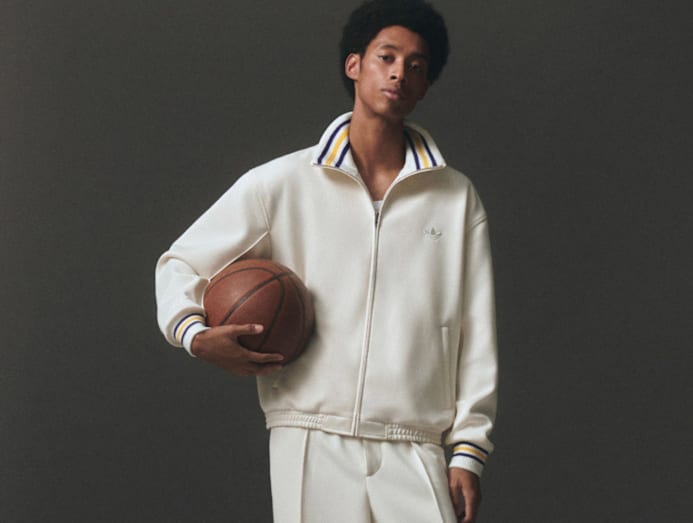
The momentum has only grown. The collaboration now spans multiple silhouettes – from the Superstar and Japan to the Karintha – and has expanded into apparel. Adidas has reported double-digit growth in its Lifestyle segment (which includes collaborations) and strong performance for icons like the Samba in the second quarter of 2024.
The takeaway is clear: Wales Bonner understands both culture and the commercial machinery that moves it. She generates desire with integrity and intention. If anyone can translate Hermè’ storied heritage for a younger global audience without diluting its codes, it’s the designer who turned a study of the Black Atlantic into a modern sneaker phenomenon.
WHAT WALES BONNER’S HERMES MIGHT LOOK LIKE
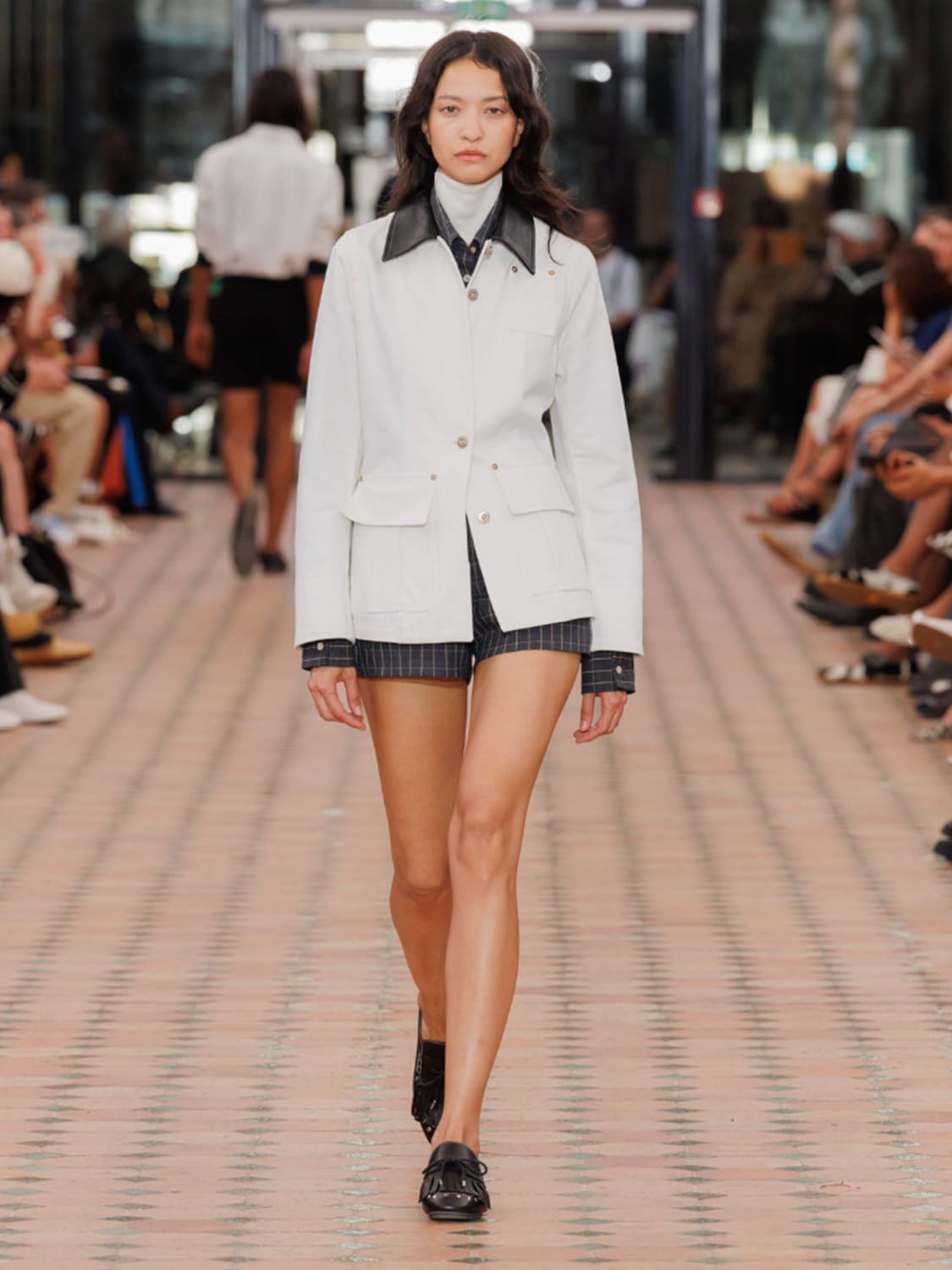
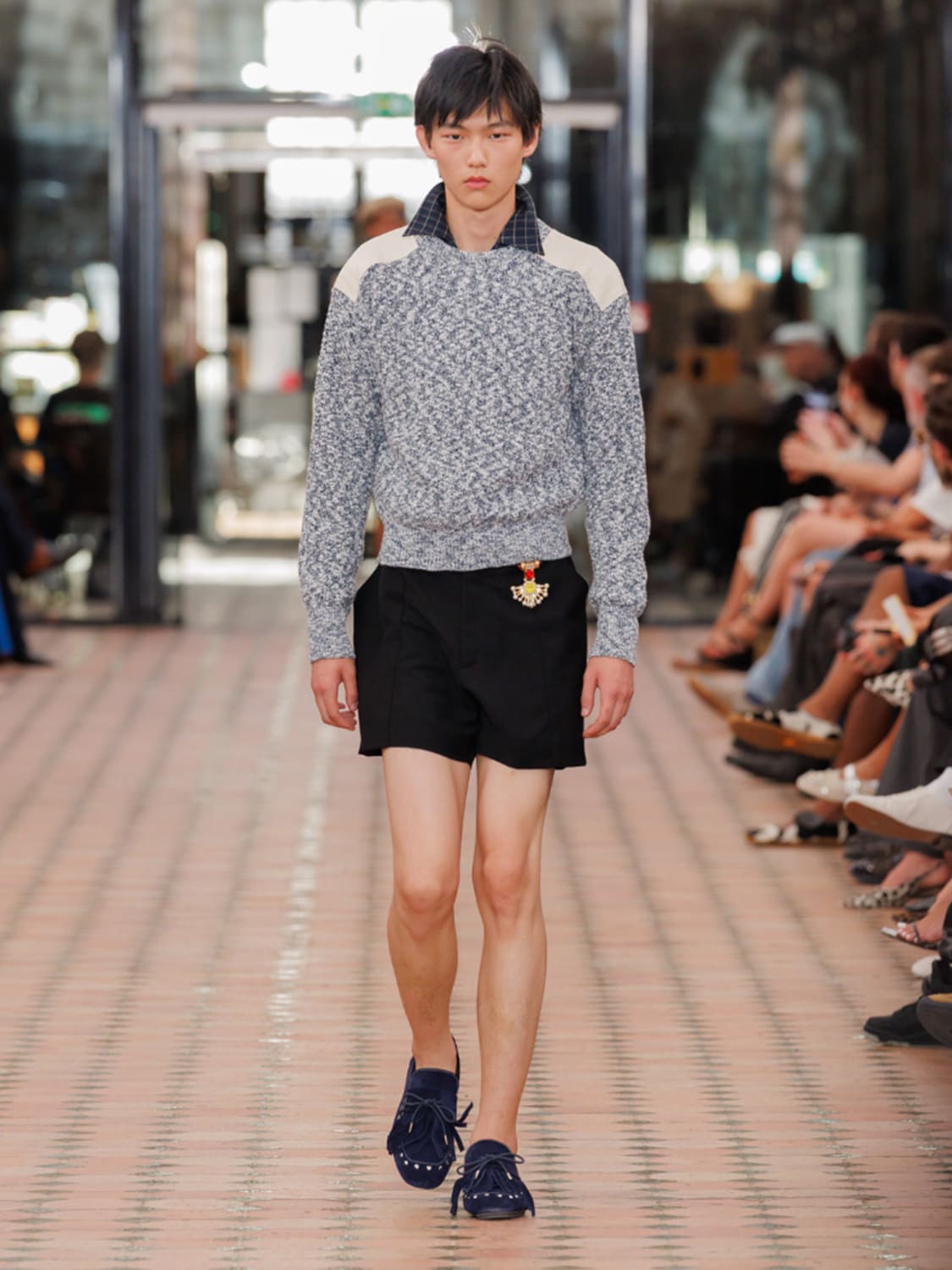
Wales Bonner inherits a formidable legacy. During Nichanian’s decades-long tenure, she built Hermes menswear into an industry behemoth (WWD reported that it generated group revenues of €15.2 billion, [US$17.65 billion, S$22.88 billion] in 2024) through quiet innovation, obsessive materiality, and precise tailoring.
What, then, happens when a designer rooted in Black dandyism, spirituality, and cross-cultural storytelling enters French luxury’s most tradition-bound realm? Perhaps we can expect softened, more fluid silhouettes. Wales Bonner’s lexicon includes gently draped tailoring, louche blazers, high-waisted trousers, subtle pearl details, and tactile fabrics – elements that could introduce a more contemporary ease to Hermes’ structured codes.
Colour may shift toward richer, more emotive palettes drawn from her Afro-Atlantic references: earthy ochres, deep indigos, warm ivories. Personally, we’re hoping her Adidas magic translates into a Hermes sneaker worth queuing for.
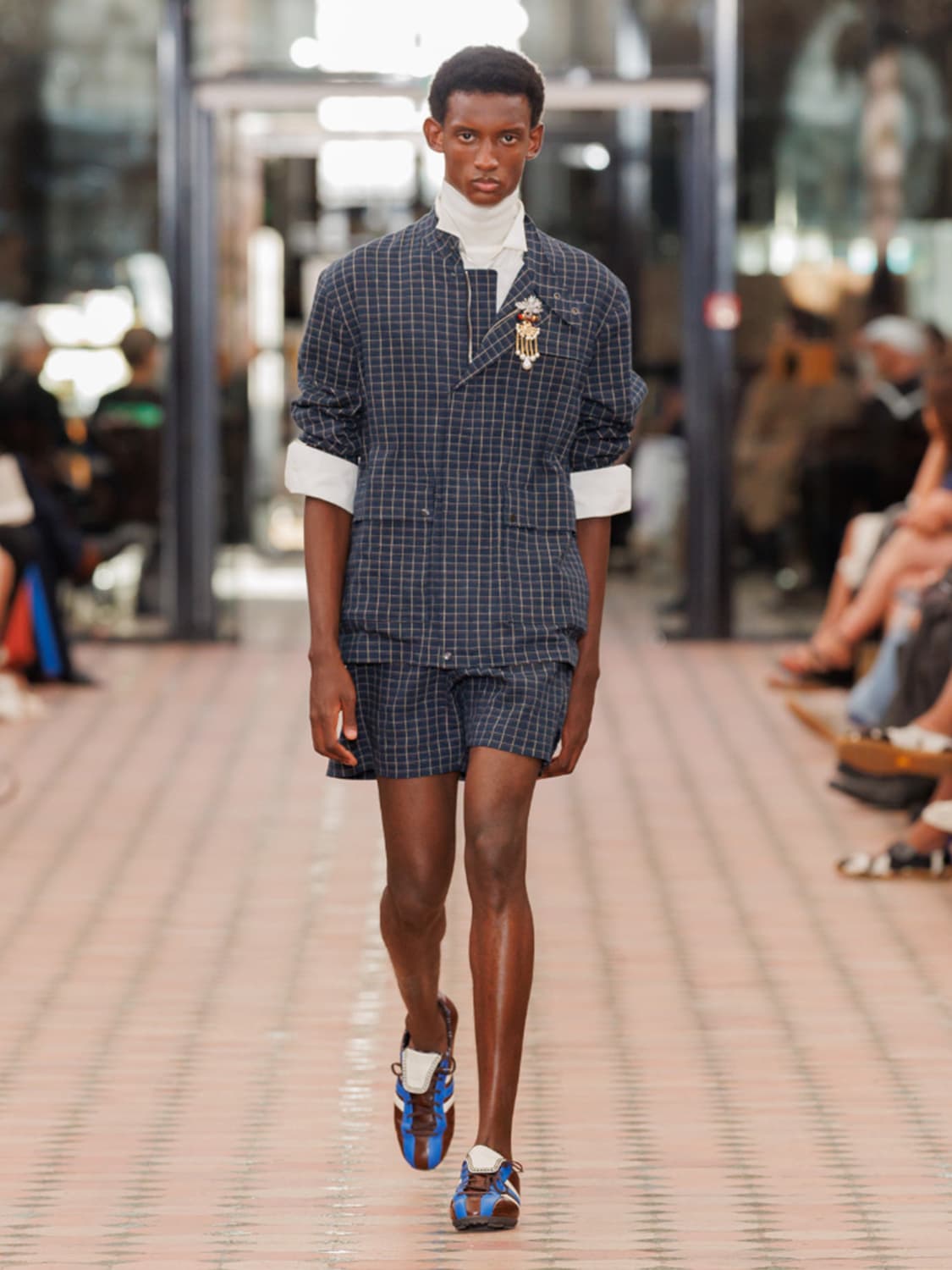
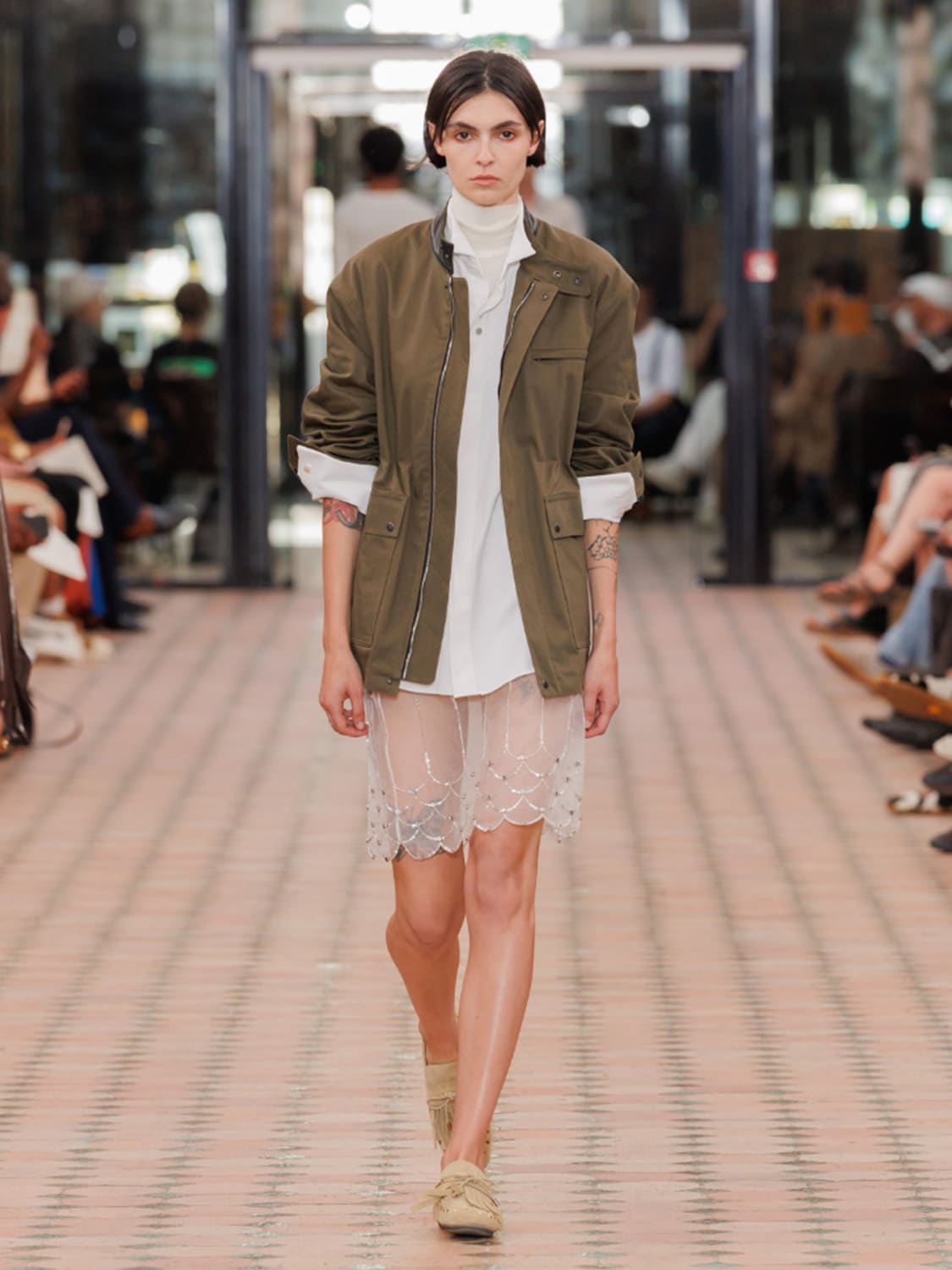
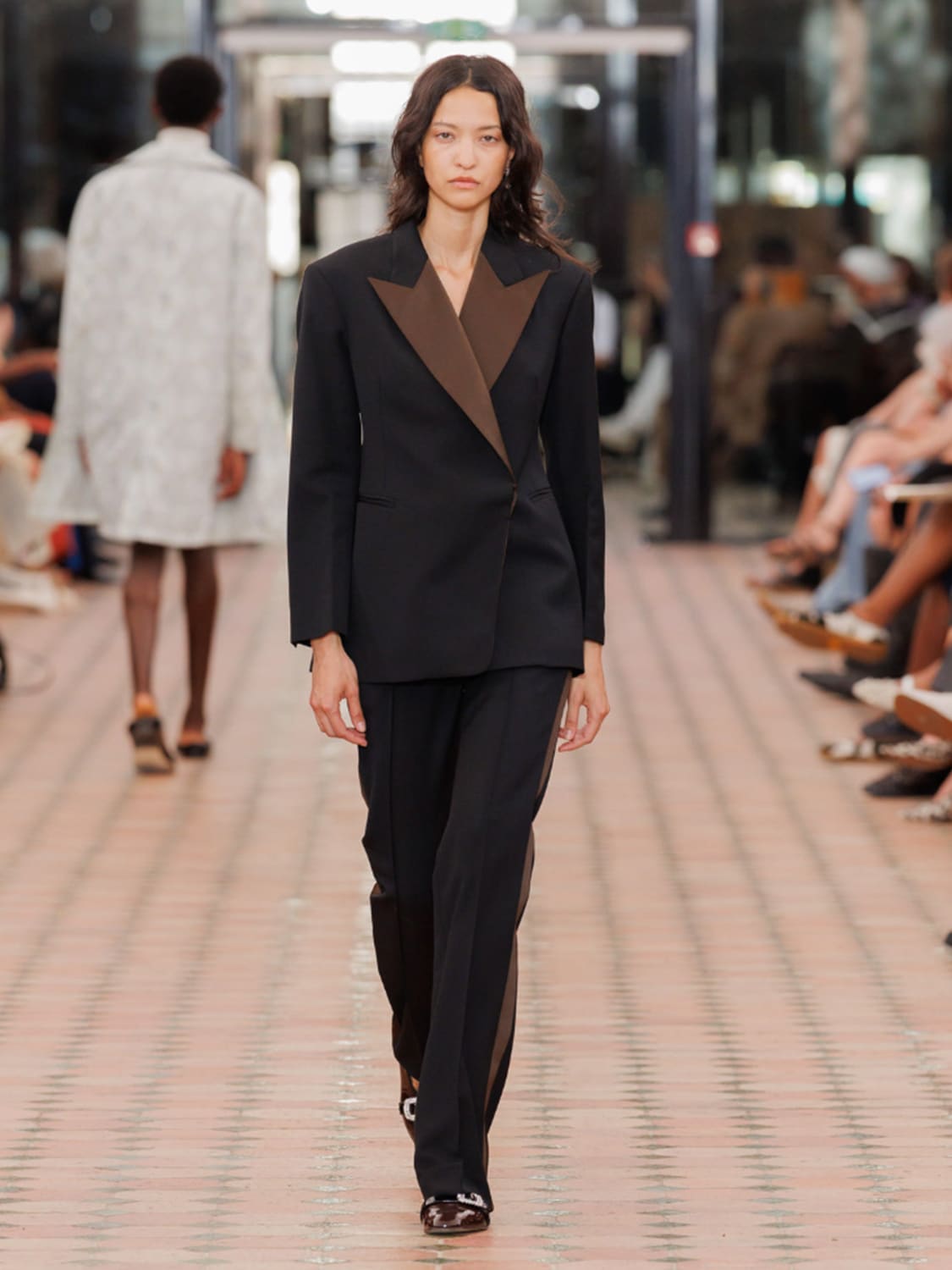
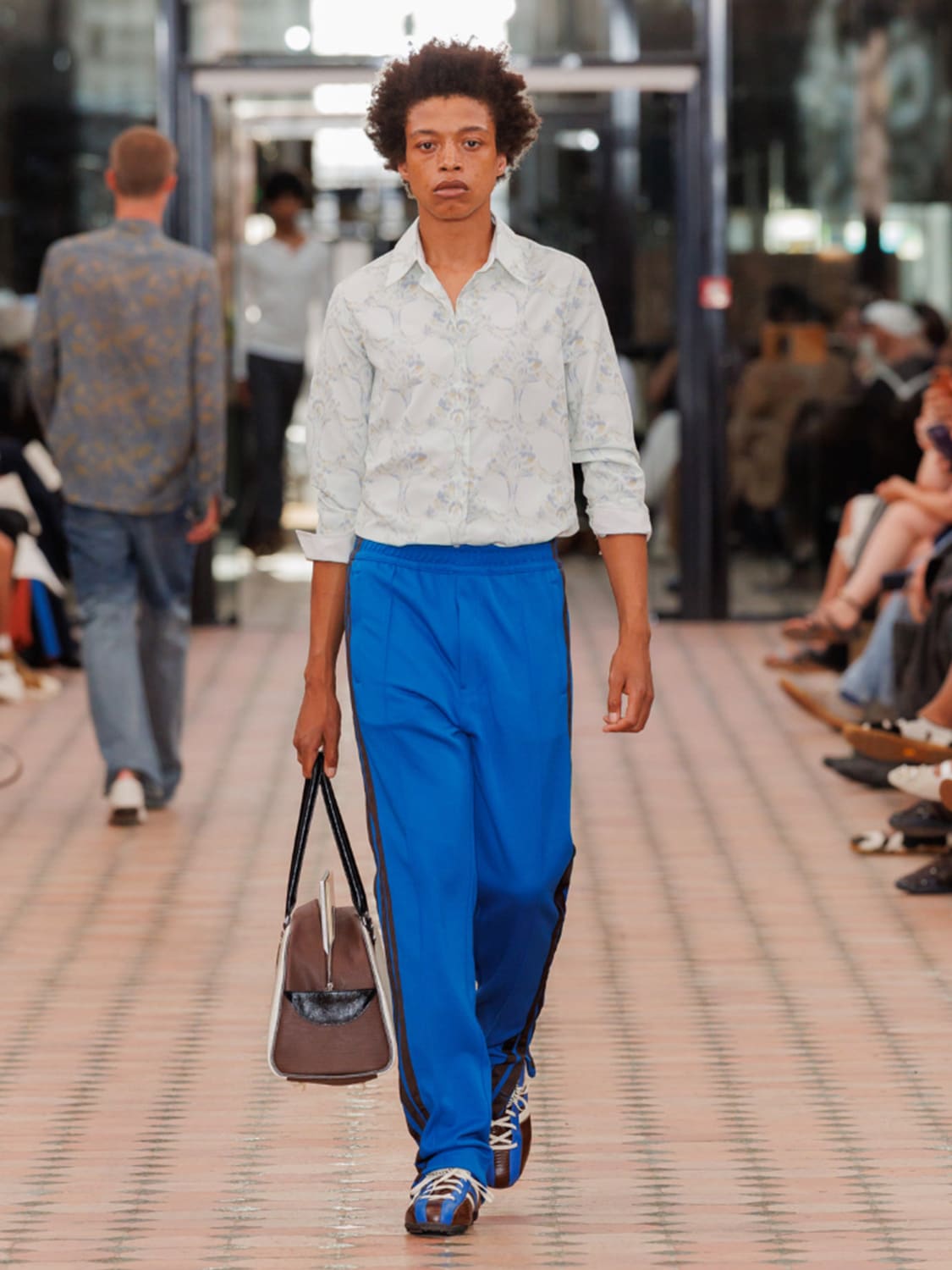
For Asian consumers, the timing is ideal. According to the Bluebell Group’s 2025 Asia Lifestyle Consumer Profile, 92 per cent of luxury consumers in China and 86 per cent in Southeast Asia say they prioritise quality and craftsmanship over brand name – signalling a decisive move toward cultural depth, heritage, and artisanal credibility. Wales Bonner’s intellect-driven design language speaks directly to this shift, and to markets where refinement and storytelling consistently outrank overt branding.
As fashion enters a more uncertain era – shaped by economic headwinds and evolving consumer values – Wales Bonner offers what increasingly feels like luxury’s rarest commodity: substance. Her Hermes debut in January 2027 will reveal whether one of fashion’s most revered houses can evolve without losing its soul.
The fashion world, from Singapore to Paris, will be watching.