Beyond the suit: How Benjamin Barker founder Nelson Yap is building a lifestyle brand
From suits to casualwear, F&B and running clubs, Benjamin Barker is evolving into a lifestyle brand. Founder Nelson Yap shares how his passions and ambition are shaping the future of the homegrown menswear label as it continues to expand internationally.
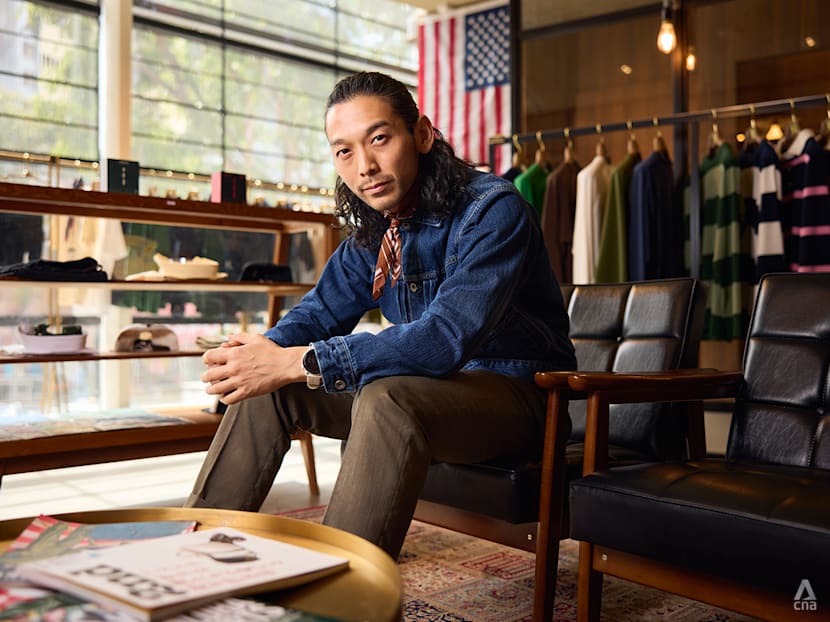
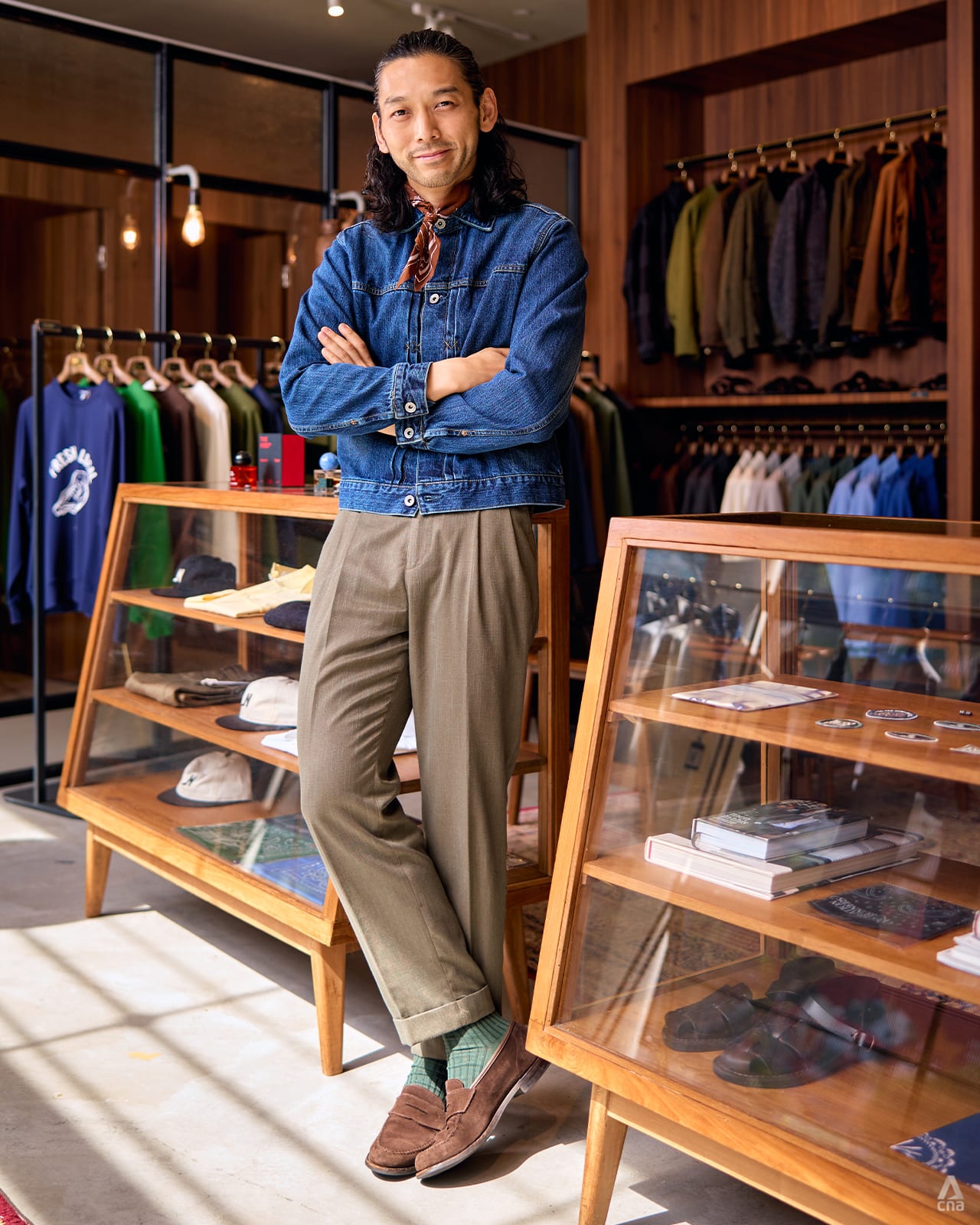
Nelson Yap, founder of homegrown menswear label Benjamin Barker. (Photo: CNA/Dillon Tan)

This audio is generated by an AI tool.


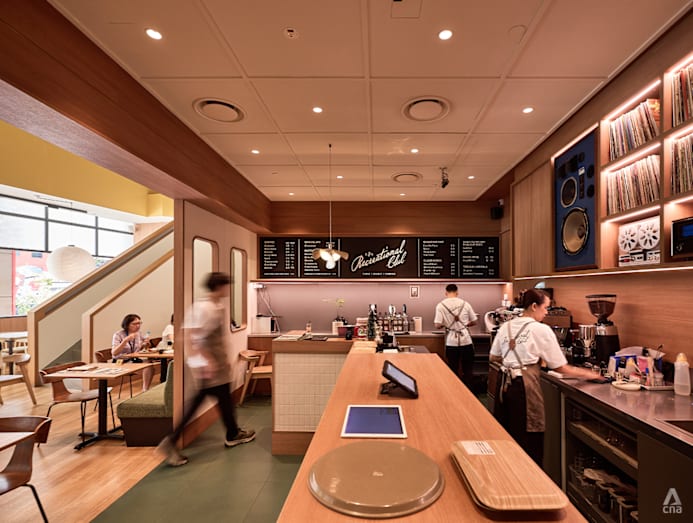
On a weekday morning back in December, I stepped into the newly opened Benjamin Barker Recreational Club, a two-storey retail and cafe space at Orchard’s Cineleisure mall.
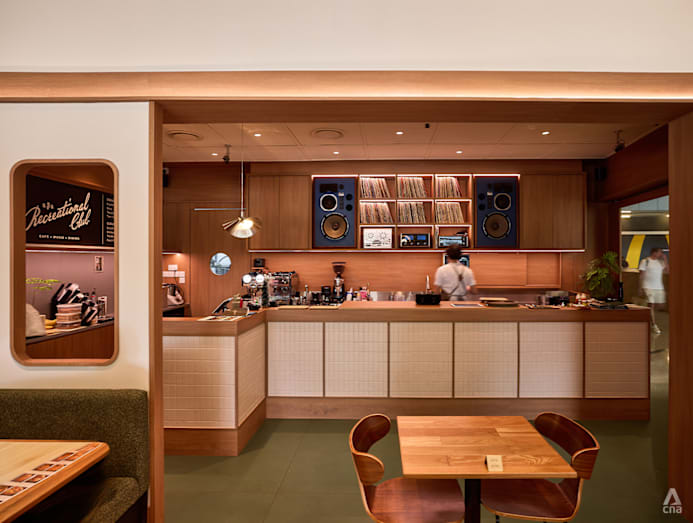
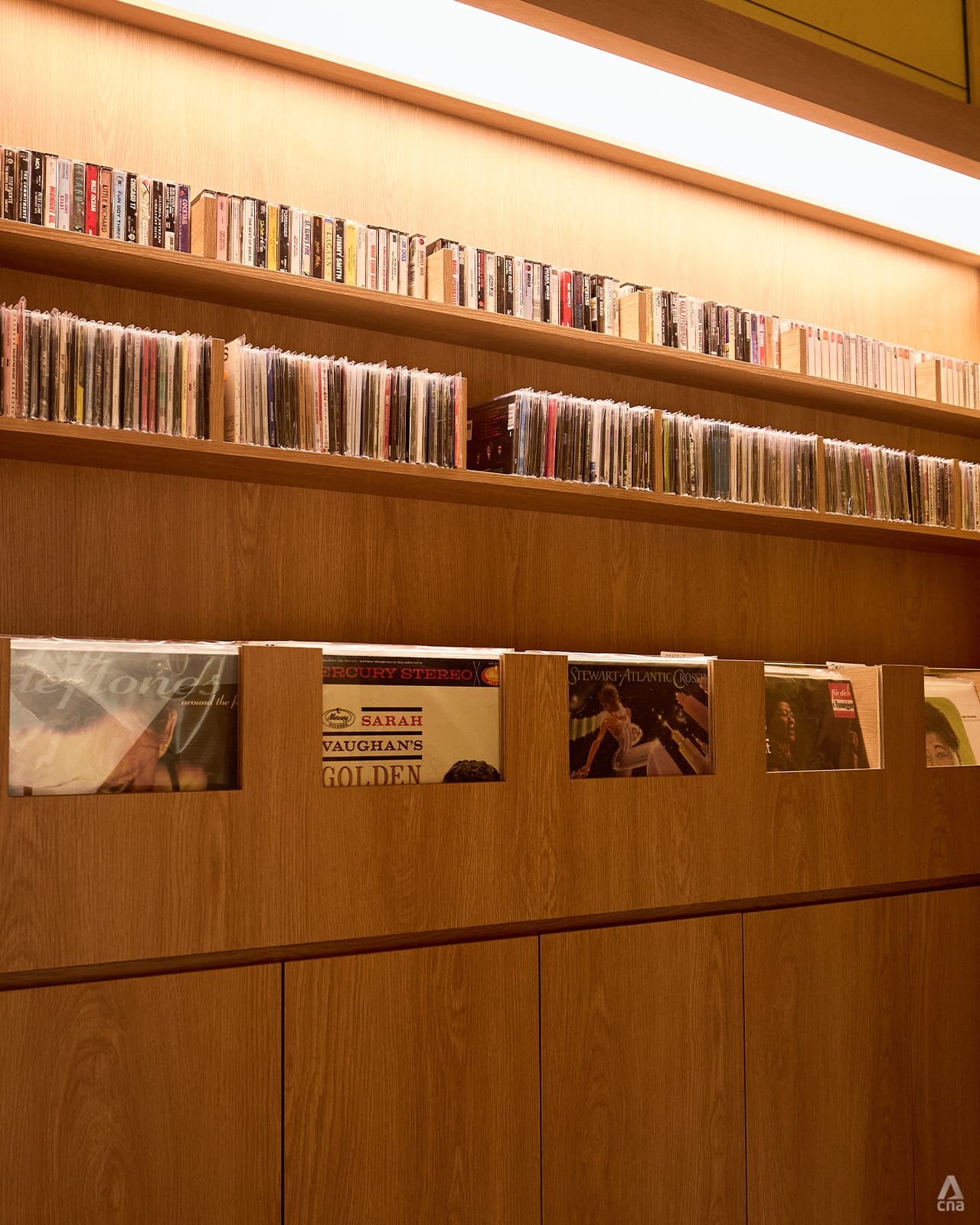
On level one, whitewashed walls pair with warm wood accents to create a modern Scandinavian feel. Vintage details punctuate the space – from bespoke 70s-inspired speakers, powered by a vintage McIntosh MC7270 amplifier, to walls of vinyl records.
Up a flight of stairs on the second-floor retail space, Nelson Yap, founder of Benjamin Barker, was having his profile shots taken for this story, dressed fashionably in a dark denim jacket, earth-tone trousers and a brown patterned scarf tied neatly around his neck.
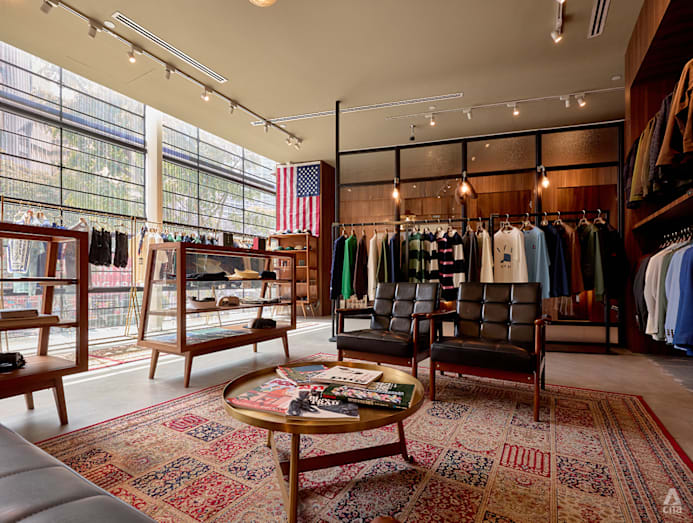
While the homegrown menswear label is known mostly for its suits, the retail space showcases just how far it has evolved. Alongside utilitarian workwear staples, the space features Oxford shirts, chambray westerns, chinos, denim and varsity knits that draw from Ivy and Americana influences.
Also on display is a curated selection of pre-loved vintage clothes, reflecting Yap’s love for thrifting on his travels, as well as an athleisure corner showcasing running kits, lightweight outerwear and performance tights – an extension of his own passion for running. In fact, just over that weekend, Yap took part in the Standard Chartered Singapore Marathon, completing both the 10km event and a half marathon.
Soon, we settled back down at the cafe for a chat. The space had filled up with a steady stream of diners.
Reflecting on the brand’s evolution, Yap shared: “Benjamin Barker started off as a means to an end – a way to pay off family debt. It started to grow organically and we realised that there was an opportunity to make an impact in the way men dress in Singapore.”
FROM SUITING TO CASUALWEAR
Despite Yap’s deep immersion in the fashion scene today, he never intended to pursue it professionally. While studying filmmaking in Australia, his father was diagnosed with cancer, prompting Yap to return to Singapore after graduation to take over the family business, which sold discounted suits and shirts. He soon discovered that the business had accumulated significant debt.
Determined to turn things around, Yap came up with the idea of starting his own menswear brand – one that offered suits tailored specifically for the Asian gentleman.
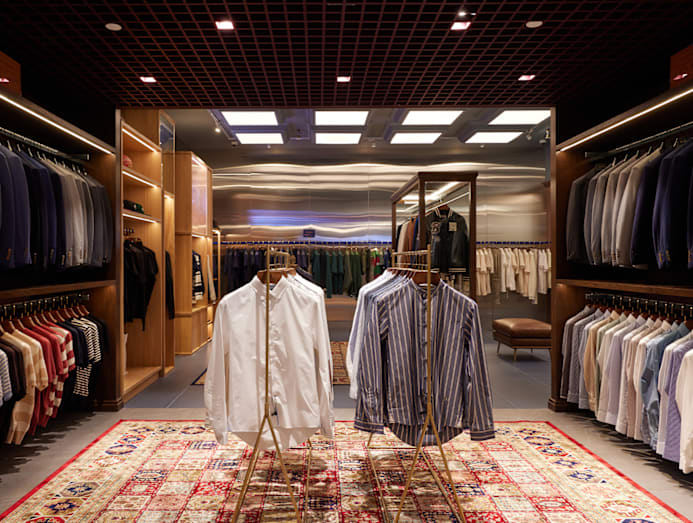
Benjamin Barker was launched in 2009. Since then, the brand has grown well beyond its roots in sharp tailoring. “In the early years, we were very focused on selling staple items – executive wear, office basics,” Yap explained. “But as we expanded into different concepts over time, we started to see a wider demographic coming to us, not just people dressing for work. I took the opportunity to instil a bit more personality and character into the brand.”
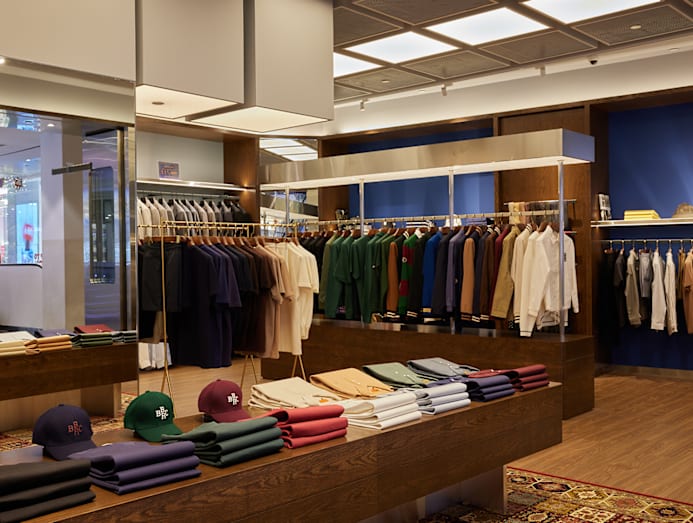
While executive wear remains a core offering, Benjamin Barker’s collections now extend to casual and everyday apparel such as polo tees, jackets, sweatshirts and hoodies. This shift was accelerated by the COVID-19 pandemic, when working from home became the norm. The brand further doubled down on casualwear with the launch of its BB Recreational Club line, which draws inspiration from music, sports and car culture, offering lightweight, breathable, sports-inspired menswear.
Today, casualwear accounts for approximately “25 to 30 per cent” of the company’s revenue, said Yap.
A LIFESTYLE BRAND
This expansion beyond tailoring is part of Benjamin Barker’s broader strategy to evolve from a menswear label into a lifestyle brand that offers experiences, not just clothing. Over the years, Benjamin Barker has launched a number of diverse concepts, a trajectory that has not gone unnoticed by those following its evolution.
Its foray into F&B in particular has drawn curiosity – the company first entered the space in 2014 with relative success through The Assembly Ground, a cafe attached to a multi-label retail space at The Cathay. In 2017, it opened B Burger, a fast-casual concept at Cineleisure serving premium burgers with Japanese twists at an affordable price point.
While some have questioned the variety of concepts, Yap said they were each inspired by his own personal interests and his penchant for experimentation. The Assembly Ground drew from his exposure to the coffee and cafe scene in Australia, while B Burger reflected his travels to Los Angeles for campaign shoots, where he frequented brands such as In-N-Out. “I wanted to create the best burgers under $10 at that point,” he said. B Burger closed in 2018 due to rising rent and the high cost of premium ingredients, and The Assembly Ground at The Cathay shuttered in 2023 with the mall’s redevelopment.
The Benjamin Barker Recreational Club cafe is the latest iteration of the brand’s F&B journey. With BBRC Cafe, “there is a bigger mission than just trying to sell food,” said Yap. “We want to provide a space where like-minded people of different interests, whether it’s fashion, food, coffee, music or running, can gather”.
The space will host events such as live vinyl sessions, daytime parties and in-person meet-ups for running clubs. Yap, who took up running a year ago, observed a lack of dedicated spaces in Singapore where runners could gather before or after runs – much like a clubhouse that can “bring different people together,” he quipped.
For Yap, Benjamin Barker Recreational Club is less about diversification and more about translating his own personal passions into a physical space – extending the Benjamin Barker brand beyond apparel and into everyday life.
“We’re just trying to make the Singapore scene a bit more exciting. Retail doesn’t just have to be a place where you buy clothes. It can be a place where you feel inspired; it should make you feel alive,” he believes.
BUSINESS AND ENDURANCE
While Yap’s various ventures reflect ambition, as with any business, not every move was successful. When asked about one of the company’s biggest missteps, Yap highlighted its foray into the Web3 space through BBRC Studios. “It was more of a learning lesson,” he mused. “At the time, Web3 was very exciting and new, with so many possibilities from a branding perspective. It taught us a lot about viral marketing, but with a lack of proper governance on the platform, the foundations were uncertain. There were people there for the wrong reasons and short-term gains.”
As an entrepreneur, Yap describes himself as “restless”, something he chalks up to being the middle child. “I never really believed in middle child syndrome until I looked at my daughter,” said the father of three girls. “I do see some similarities in our personalities – the restlessness, the mental resilience and the independence. I was also a school swimmer, so I was just naturally always competitive.”
These days, however, his focus has shifted to running. It began a year ago, when a friend invited him to complete a half marathon in Taiwan. He had never considered himself a runner, finding it too monotonous, but decided to take up the challenge anyway.
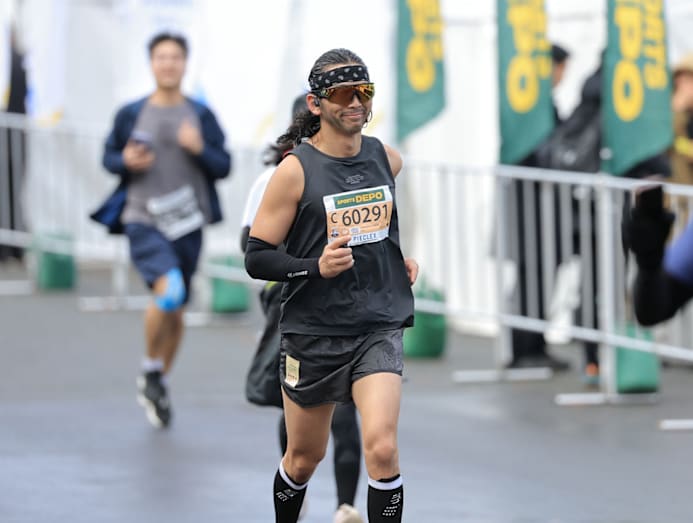
Before long, he’d caught the running bug. He went from saying “I’ll never do this again” to wondering “When’s the next one?”. Over the past year, he has completed three more half marathons and three full marathons. He credits over 15 years of running a business with preparing him for the endurance required, seeing clear parallels between entrepreneurship and long-distance running.
“The start is always the hardest, but nothing great happens overnight, not in business, not in running,” Yap reflected. “Pacing is also important, you can’t go too hard too early. In business, I have experienced burn out. If you want to build something for the long run, you need to pace yourself. But if you go too slow, you won’t be able to discover your true potential.”
THE FINISH LINE
Having built a solid foundation for Benjamin Barker in Singapore, Yap is now eyeing further international growth. At present, Benjamin Barker operates 30 stores across seven markets, including Malaysia, Vietnam, Hong Kong and Australia.
The company recently entered a joint venture with a retail partner to bring the brand to Greater China. The goal is to open 30-50 stores internationally in the next three to five years.
“The ambition is to make Benjamin Barker an international brand. That was always our vision statement. How many local brands in Singapore have made it to become global brands?” Yap mused. “And as a menswear brand, we want to prove that hey, it’s not impossible. We just have to keep our heads low, stay hungry but not foolish, and move ahead with wisdom.”
It is a mindset that mirrors how Yap approaches running – focused on steady progress over speed, and going at his own pace. “We don’t have to look at other brands,” he said. “We just have to be one step in front of where we were yesterday. As long as we’re growing, as long as we’re better than last year, we’re moving in the right direction.”
As Yap understands, the finish line, after all, is never reached in a sprint, but through taking one calculated, measured step at a time.