Working smarter in 2026: The habits, tools and mindset shifts behind high-performing leaders
Feeling rattled by constant change? Five leaders across art, hospitality, jewellery, mobility and retail share the routines and tools that protect focus, reduce overload and sharpen decision-making.
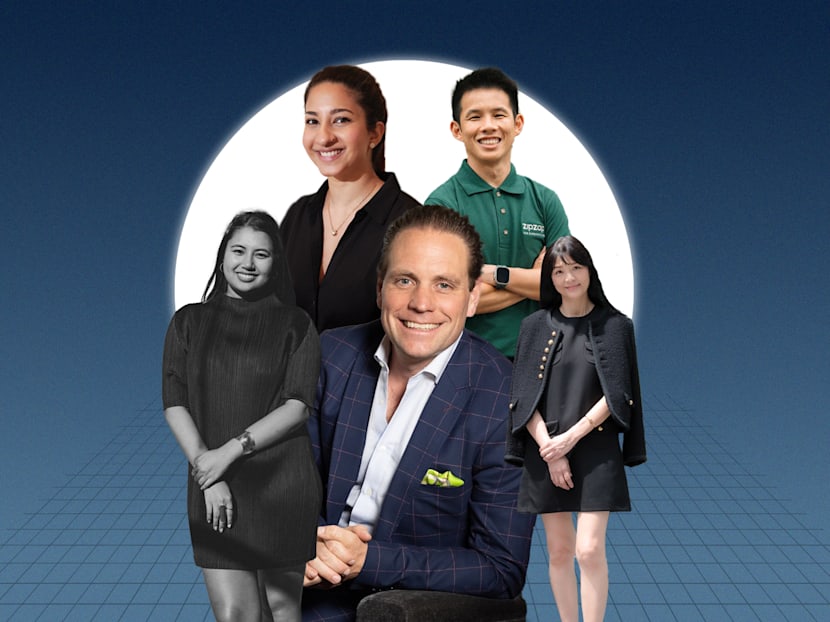
From focus and recovery to smarter workflows, these five top executives share practical ways to reduce overload and sharpen decision-making in 2026. (Art: CNA/Jasper Loh)

This audio is generated by an AI tool.


If there’s one thing that’s certain in this economy, it’s that – well, nothing is certain. We live in an era defined by relentless change and uncertainty. And the pace of change? It’s only getting faster. Year after year, time seems to slip by.
Not to worry. If you’re feeling rattled by all the noise and looking for solid advice, we’ve got you. We spoke to five leaders across different industries to uncover the habits, tools, and mindset shifts shaping peak performance in 2026.
Across the board, these leaders describe a fundamental mindset shift: remembering why they do what they do, staying solutions-oriented when pressure peaks, and keeping the end goal firmly in sight. Focus, they say, isn’t about dropping the ball – it’s about choosing where to place your energy. Hint: where it matters most.
They also emphasise the importance of unwinding and recharging. From prioritising quality sleep and building recovery into daily rhythms to practices like intermittent fasting and short, reflective walks between meetings, rest is now treated as a performance tool – not a reward.
At the same time – no surprise here – technology is enhancing the executive toolkit. GenAI chatbots are being embraced as copilots, while AI-powered summarisation tools help leaders process information, surface insights, and delegate more effectively.
Above all, effective leadership in 2026 is about being intentional: empowering teams, nurturing future leaders, delegating with trust, and staying flexible and open to change –all while enjoying the journey.
KIM TAY, CO-FOUNDER, THE ARTLING
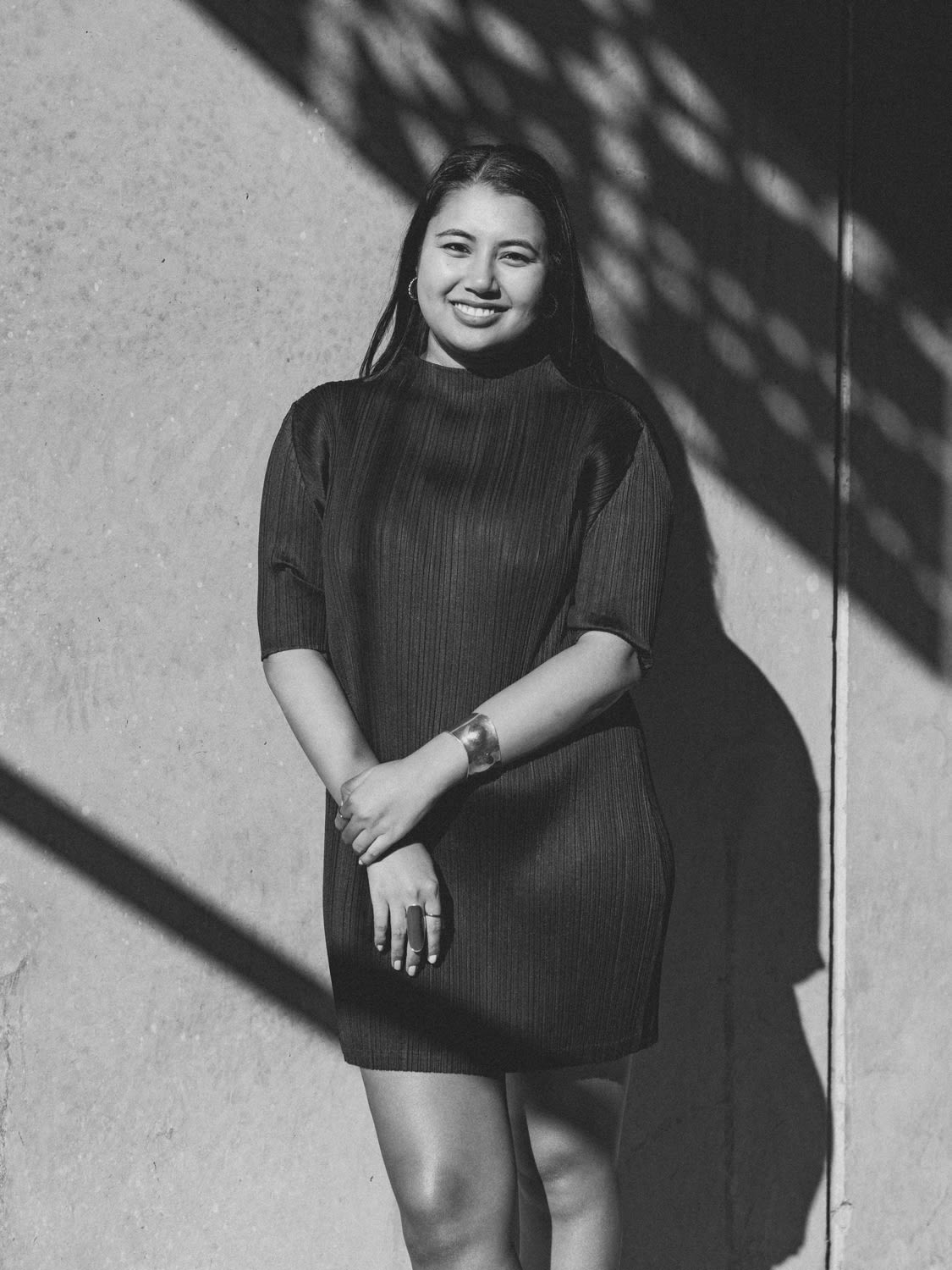
The Artling is an online art gallery and art consultancy that sources, commissions and curates art collections for hotels such as Capella Taipei and Karl Lagerfeld Hotel Macau; restaurants like Din Tai Fung Portland; corporate offices like One Raffles Quay; and private homes.
What does good leadership look like to you in 2026?
Continuing to be open to feedback; everyone is a work in progress and there’s always room for improvement.
How do you keep your team or colleagues motivated when things get tough?
Sometimes we can lose sight of what we’re working when we’re in the midst of a project, but it’s always important to remind ourselves why we’re doing what we do. In our case, our goal is always to help artists, whether it’s through selling their works, or giving them exposure to a new audience, and that gives us motivation to keep going.
How do you protect yourself from burnout while still doing your best?
Having the self-awareness to know when I need some time to decompress, and although perhaps counter-intuitive, also knowing when I need to spend just a few more hours getting something done. I always feel more at ease when I don’t have tasks hanging over my head.
What’s one thing you cut from your workday that made you more effective?
When things go wrong, I used to have the tendency to focus on the “what if,” but when you’re in the thick of it, you need to remain solutions-oriented – keeping the end goal in mind and working towards this.
PHILIPP KNUEPFER, CHIEF OPERATING OFFICER, SUNSET HOTELS & RESORTS
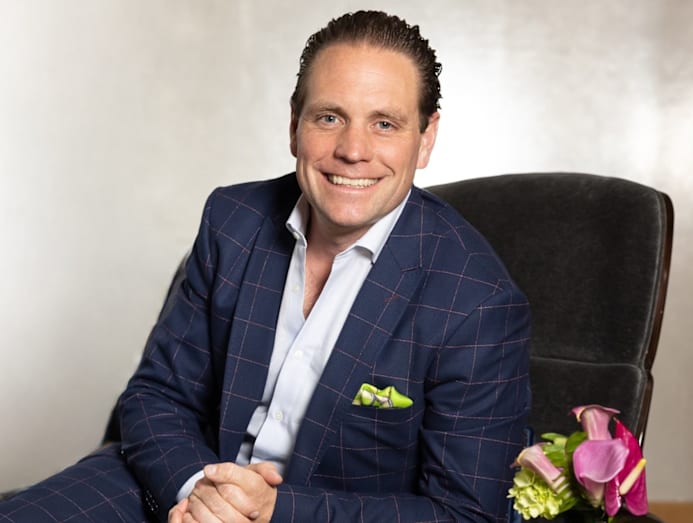
Sunset Hospitality Group (SHG) Asia is the Asian arm of Dubai-based hospitality powerhouse SHG. In Singapore, the firm is behind restaurants like Sushisamba; luxury hotels such as the newly-opened Mett Singapore; and wellness centres like the upcoming Longevity Suite Asia.
Do you have a morning routine that sets you up for a good day?
I always wake up at 5am, I catch up on emails for 30 minutes and then I exercise, either in the gym or I’ll go for a run through Bukit Timah. If I’m at Mett Singapore, I’ll run to Marina Bay. I don’t eat breakfast; I do intermittent fasting, either eating for eight hours and fasting for 16, or once a week on Mondays I fast for 24 hours. The health benefits are great, and it helps with energy and concentration levels, it makes you more sharp and focused.
What’s one thing you cut from your workday that made you more effective?
I don’t do lunches unless requested by a client. I find that lunch slows you down and makes you less productive. I also don’t do pantry talk; I like to focus on working rather than wasting time chatting.
What does good leadership look like to you in 2026?
I encourage team members to take calculated risks, and as a leader I believe that there are clear qualities that help drive success: accountability, giving clear direction, motivating and inspiring your team, and following up and following through.
Nurturing talent is crucial, especially the number twos and threes, so that they can rise into top leadership roles. And of course have fun. We must remember to have fun and laugh along the way.
What’s one career lesson you learned the hard way?
Listening. I often didn’t listen well enough and that can lead to bad decisions. I made my biggest mistakes by not listening well enough to others. That and being too impatient!
If you could offer tips for working smarter in 2026, what would they be?
Prioritise what’s important, relax and don’t stress about things you can’t control. Keep enjoying the journey and stay open to change.
SHANYA AMARASURIYA, CREATIVE DIRECTOR, BP DE SILVA JEWELLERS
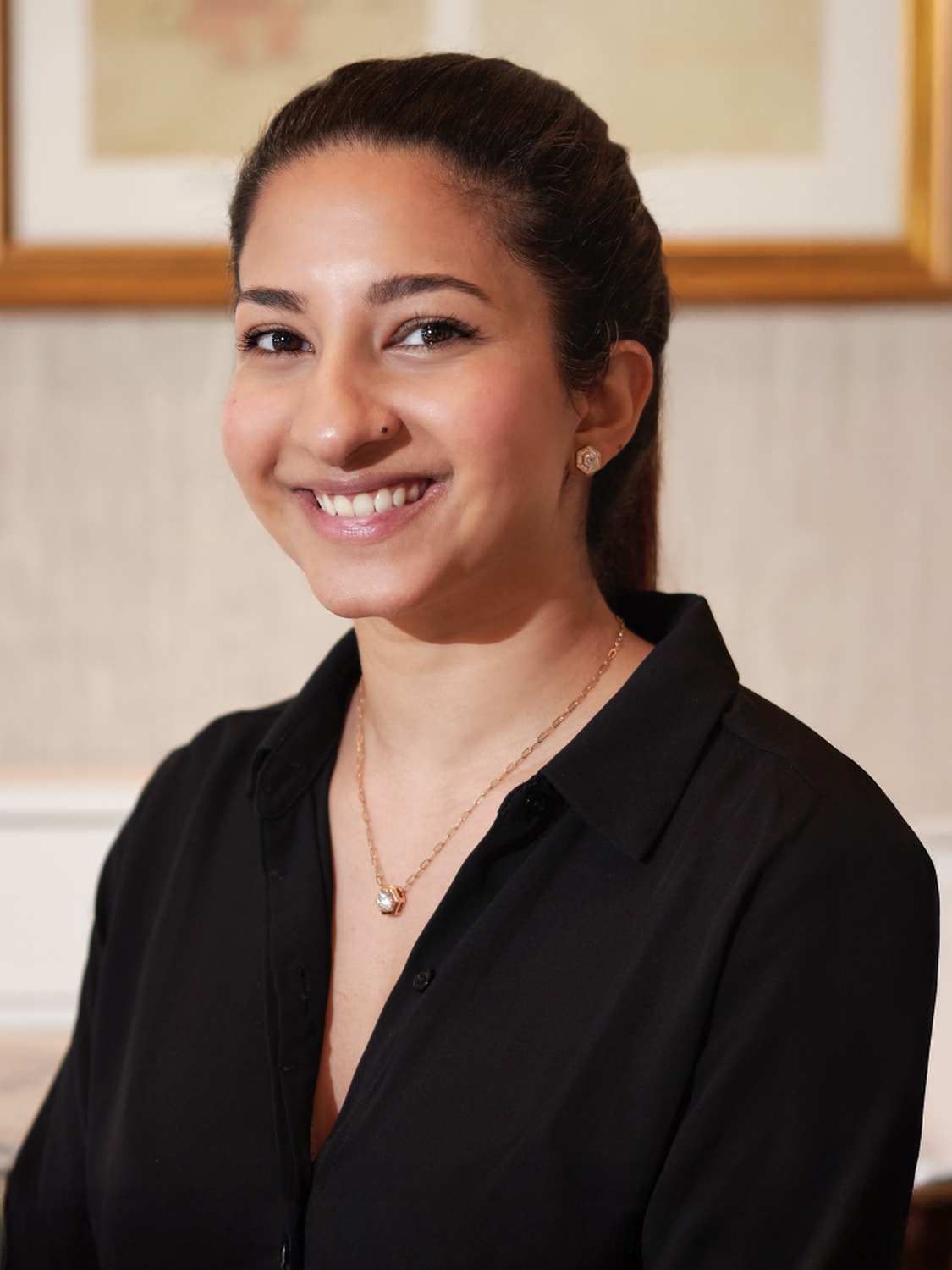
Arguably Singapore’s oldest luxury brand, BP de Silva Jewellers is a family-owned and run enterprise that counts royalty and celebrities among its clientele. More than 150 years old, it’s now run by fifth-generation leaders like Shanya Amarasuriya and proffers high and fine jewellery for a modern audience.
What’s one simple habit that helps you stay sharp at work?
Taking a moment to prioritise my tasks before the day begins and giving each one its own space with time-blocking keeps me on track. That small ritual brings clarity and calm before the pace picks up.
What mindset shift has helped you handle work challenges better?
My mindset changed the moment I understood that doing less isn’t dropping the ball; it’s focus. When I stepped back from the things that didn’t need my depth, I could do more, and go much deeper, in the places where I contribute most and truly matter.
What does good leadership look like to you in 2026?
Agility with integrity. I believe that with the uncertainty and pace of change 2026 will bring, the year will reward leaders who can pivot when needed but still stay anchored in long-term vision and values.
How do you protect yourself from burnout while still doing your best?
I protect myself by treating rest as part of overall work performance. When I build recovery into my rhythm, I show up clearer, sharper, and far more present. Another great learning has been to be aware of and manage my energy, not just my time.
What’s one career lesson you learned the hard way?
Clarity is kindness. Tough conversations early on pave the way for a smoother future.
If you could give one tip for working smarter in 2026, what would it be?
For a week, note down how you spend your time at work and then re-examine how you can make time – your most precious resource – work better for you.
TOH TING FENG, CO-FOUNDER AND CEO, GETGO
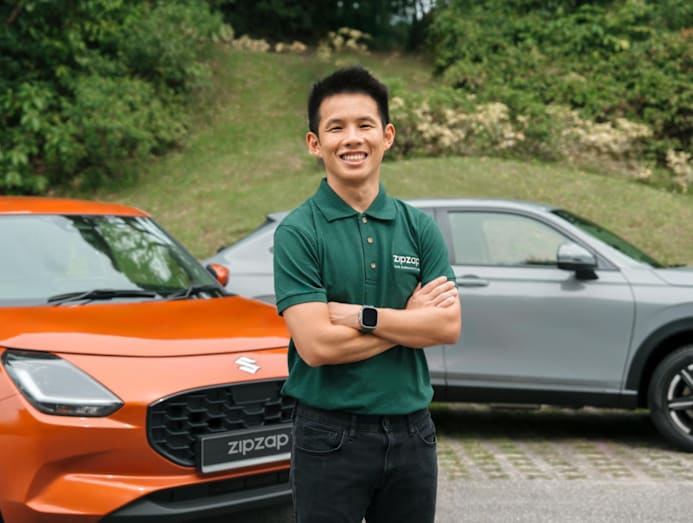
GetGo is Singapore’s largest car-sharing company by fleet size and number of subscribers. In July 2025, it launched ZipZap, a monthly car subscription service that aims to bridge the gap between car ownership and car rental.
What’s one simple habit that helps you stay sharp at work?
Prioritising good sleep. It sounds basic, but clear thinking is critical when you’re building technology and operational systems from scratch. Some of my best problem-solving and early-stage ideas for ZipZap came when I was well-rested and able to brainstorm with the team more structurally about gaps in workflows, system efficiencies and user pain points especially as we worked towards maximising the value of car ownership in Singapore.
How do you use AI or tech tools to make your work easier?
I use Gemini for brainstorming and rapid drafting, which helps me move quickly from initial ideas to something concrete that I can refine with the ZipZap team. That speed is useful when improving and streamlining ZipZap’s experience.
What’s one AI tool or feature you think everyone should start using?
I recommend any GenAI chatbots as a good start. People should remember to treat these tools as a partner rather than a crutch, and to stay curious about how they can complement your own judgement.
What does good leadership look like to you in 2026?
Good leadership means having a strong sense of purpose, clarity for the future, and deep empathy for the people we lead and serve. In this fast-evolving mobility space, it’s important for us to listen closely and keep ourselves attuned to the needs of our subscribers and drivers in Singapore.
What’s one career lesson you learned the hard way?
That extrinsic measures of success will not sustain one through difficult times, and that intrinsic motivation is what counts.
If you could give one tip for working smarter in 2026, what would it be?
Get sufficient rest and allocate your waking hours in a balanced way that is aligned with your priorities. For many of us, that also means being intentional about where we put our energy, having dedicated time for work and relationships that matter most.
YEO MUI HONG, CEO, ORCHARD TURN DEVELOPMENTS
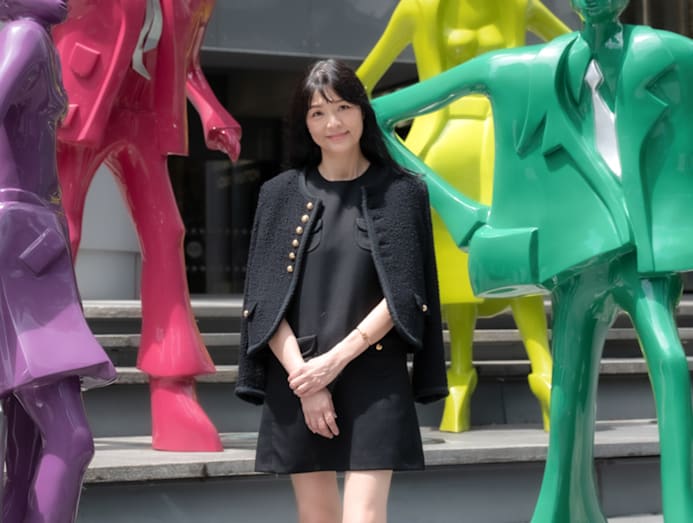
A joint venture between Singapore’s CapitaLand and Hong Kong’s Sun Hung Kai Properties, Orchard Turn Developments is the developer behind Ion Orchard and The Orchard Residences – two of Orchard Road’s most distinctive landmarks in the entertainment, lifestyle, retail and residential spheres.
What’s one simple habit that helps you stay sharp at work?
I build in small moments of reflection throughout the day, even if it is just 10 minutes between meetings or a short walk around the mall. Sometimes, I’ll step outside for a quick stroll along Orchard Road and enjoy an ice cream from one of the street carts. Retail moves quickly, and it’s easy to slip into a reactive mode.
These pauses help me reset, think clearly, and respond with intention rather than urgency. It is a simple habit, but it has made a meaningful difference in my focus and decision-making.
How do you decide what to focus on when everything feels important?
It is easy for everything to feel equally urgent at first glance, which is why I always pause to reassess the true priority of each task.
I rely on two guiding questions: ‘Does this create meaningful value for our shoppers and members?’, and ‘Does it empower my team?’ Leading an experience-driven destination like Ion Orchard means constantly balancing mall operations, partnerships, brand experiences, member engagement, and ongoing dialogue with our tenants.
These questions help me identify where my attention will have the greatest impact and ensure that my decisions support both the day-to-day experience and our long-term relationships.
What’s one AI tool or feature you think everyone should start using?
If I had to pick one AI feature everyone should start using, it would be AI-powered summarisation. It sounds simple, but it is incredibly impactful. Leaders deal with a constant stream of information and being able to distill lengthy documents or data sets into clear, concise insights saves time and reduces mental load.
AI tools have become invaluable for interpreting information quickly and generating visuals that make insights easier to communicate across teams.
What’s one career lesson you learned the hard way?
Doing everything doesn't mean leading better. Early in my career, I took on too much because I equated involvement with impact. I've since learnt that effective leadership is about empowering others, not carrying everything alone. Delegating with trust creates stronger teams and healthier leaders.
If you could give some tips for working smarter in 2026, what would they be?
Be intentional. Set clear priorities, build small moments of reflection into your day, and use technology to free up time for meaningful work. Working smarter is not about doing more – it is about directing your energy to what truly matters. When you work with clarity and purpose, productivity and fulfillment follow naturally.