Know your gold jewellery: What do 14K, 18K, 22K, solid and plated really mean?
If you have always been confused by the terminology encountered when shopping for fine jewellery, here’s a guide to understanding the differences between various types of gold.

How well do you know your gold? (Art: CNA/Jasper Loh, photos: Chaumet, Monica Vinader, Chanel and Dior)

This audio is generated by an AI tool.
The wonderful world of gold can also be a mind-boggling one. Terms such as 14K, 18K and 22K gold, or gold vermeil, gold-filled and gold-plated jewellery are among the handful used to identify a myriad variety of gold. But what’s the difference between them and how do you decide which variety best suits your needs and budget?
Generally, these terms are used to indicate gold content, as well as how gold is applied to other metals. The higher the gold content, the richer the yellow hue. Singapore jeweller and founder of Carrie K, Caroline Kan, says there’s no one type of gold that is deemed the best – it all depends on your budget and personal preferences. She helps us navigate this mystifying world of yellow gold.
UNDERSTANDING GOLD KARAT NUMBERS
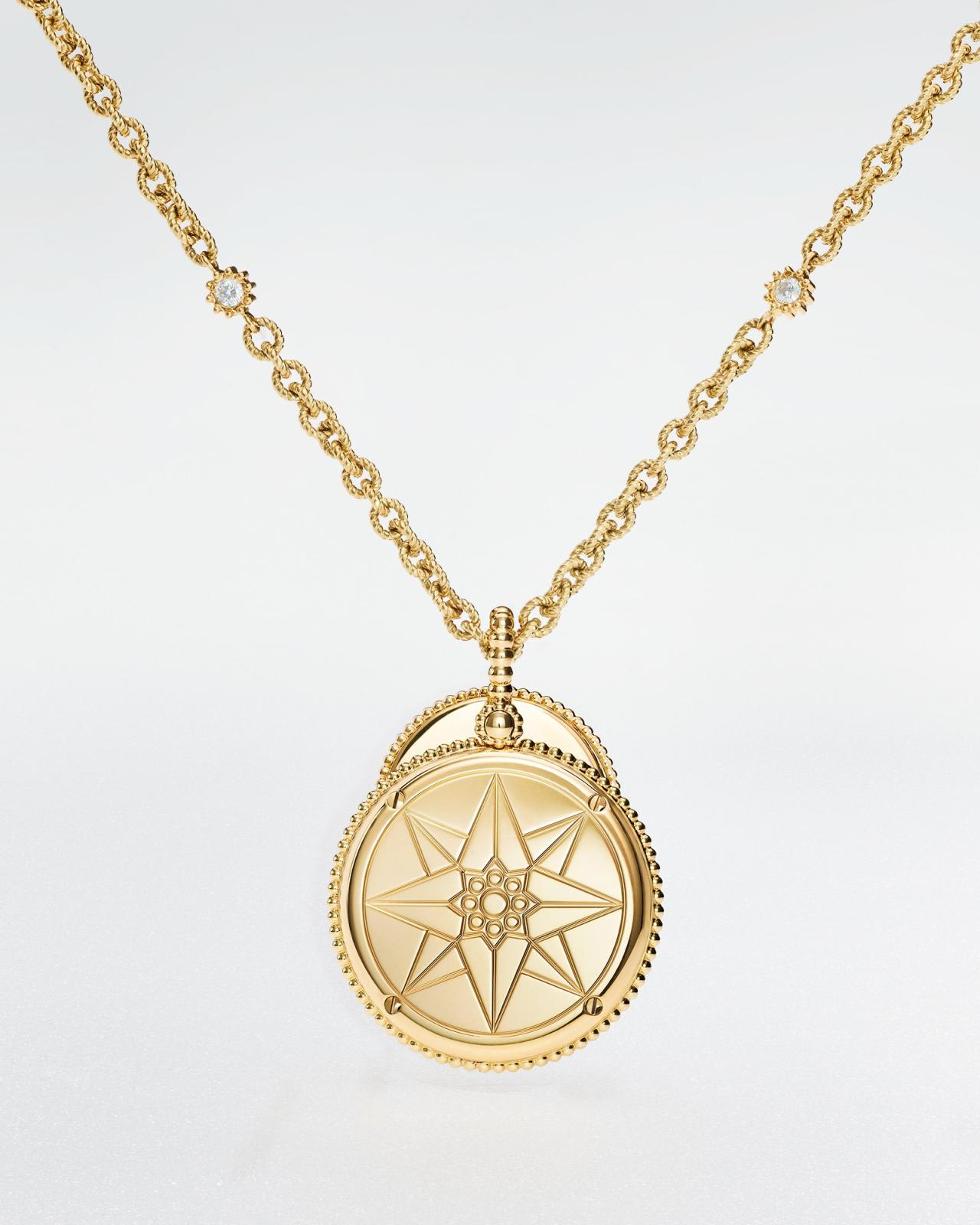
Not the same as the carat weight that you’re used to seeing for diamonds, gold karat is a measurement for the purity of gold in an alloy. It indicates the exact composition of gold jewellery and helps determine its value and durability.
The higher the number, the higher the content of gold per gramme. According to the World Gold Council, 24K gold is the purest form of gold, comprising 99.9 per cent of the precious metal; 22K gold is 91.7 per cent; 18K is 75 per cent and 14K is 58.3 per cent.
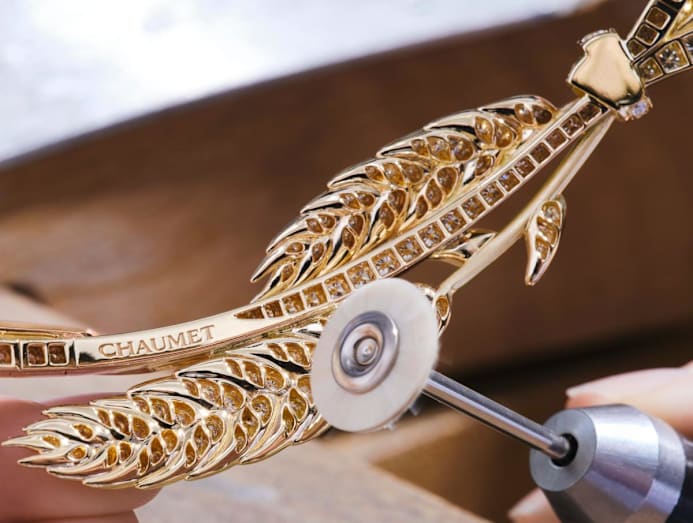
The jewellery becomes more expensive as the purity of gold per gramme increases. However, it’s important to note that prices of jewellery are affected by multiple other factors, including design, workmanship (in the case of traditional gold jewellery), or brand (jewellery by luxury brands will come at a premium, naturally).
Solid gold doesn’t necessarily mean 24K gold.
Gold is a soft and malleable metal, which is why 24K gold is not as commonly used for making jewellery as other types of gold – it does not withstand knocks well and dents easily or becomes scratched.
“Jewellery of a higher gold karat number is softer and less practical for daily wear. In Asia, 22K gold is popular because jewellery is often seen as stored value, while in the West, customers lean towards 18K or 14K for durability and design. With gold prices rising, we see 14K and even 10K gaining popularity,” said Kan.
Purity of the gold also translates into the hue of the jewellery, and also determines the types of designs that can be crafted from it.
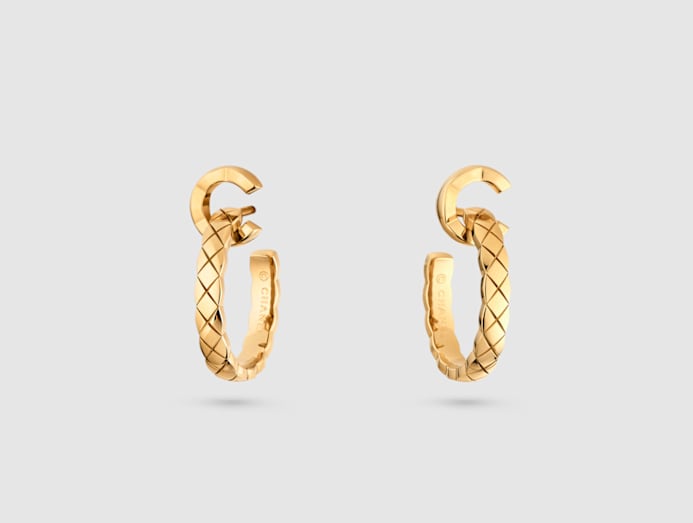
“Think of gold karat as a balance between purity and practicality. Pure gold, or 24K gold, is rich in colour but too soft for crafting intricate designs. At 18K, you get that luxury look with strength, which is why it’s the sweet spot for fine jewellery. At 14K, the durability increases further, making it great for everyday wear. The lower the karat, the paler the shade. At Carrie K, we guide our clients towards 14K or 18K, because they offer the best mix of beauty, durability and value.”
For many, the shade of gold is an important factor when buying jewellery. A deep yellow colour may not be everyone’s cup of tea, which is one of the reasons why contemporary fine jewellery is made in gold with a paler, champagne-gold tone.
WHAT DOES SOLID GOLD JEWELLERY MEAN?

Solid gold doesn’t necessarily mean 24K gold. “The term solid gold sounds glamorous, but it’s not an official term [in the jewellery industry, although it may be quite commonly used]. It simply means the piece is made entirely of a gold alloy (a combination of gold with other metals), and is not hollow or plated," explained Kan.
"For example, an 18K solid gold ring is 75 per cent gold throughout, not just on the surface. It’s not wrong to use the term, but it can mislead consumers into thinking it’s pure 24K gold, which is rarely practical for jewellery."
In other words, all 14K, 18K, 22K and 24K (including other lesser-seen karat values) jewellery is composed of a gold alloy throughout.
Soild gold jewellery should not be confused with gold-plated jewellery.
Soild gold jewellery should not be confused with gold-plated jewellery. Gold-plated means that only the surface is plated with a layer of gold.
“The simplest way to know the gold karat value of your jewellery is to look for hallmarks like 750 (for 18K gold) or 585 for (for 14K gold) on it. Jewellers can also perform an acid test or use an XRF machine to verify purity. At Carrie K, every piece is hallmarked, so clients know exactly what they’re getting without second-guessing,” said Kan.
IS GOLD-PLATED JEWELLERY INFERIOR?
Gold plating refers to the depositing of a thin layer of gold onto the surface of another metal, typically done via electroplating or chemical deposition methods. This means that the plating can wear off over time – in other words, gold-plated jewellery will not be as durable as gold jewellery that is composed entirely of a gold alloy. Despite that, many buy them due to its affordability.
Is it true that solid gold jewellery will stay pristine forever though? Gold in its purest form (24K gold) will not tarnish or change colour, but that can happen to gold alloy since it comprises gold mixed with other metals.
According to Kan, all gold alloys can get darker over the decades – how soon it happens or drastic the colour change is depends on the composition of the alloy. However, wiping the jewellery with a microfibre cloth should restore its colour, which is the result of the top layer of the alloy reacting to oxygen exposure.
THE DIFFERENT TYPES OF GOLD-PLATED JEWELLERY
A major point of confusion among consumers arises from commonly used jewellery terms like gold-plated, gold-filled and gold vermeil.
These three types of jewellery involve coating a base metal or metals with gold, which means all of them are technically gold-plated. So what’s the difference between the three? The difference is in the base metal(s) used and the thickness of the gold coating.
“Think of these as three different levels of coating. Gold-plated jewellery is the thinnest of them all – and wears off the fastest – so it’s usually the most affordable option. Gold-filled is thicker and more durable, while vermeil is a premium option where gold is coated on sterling silver. In short: Gold-plated is fashion jewellery, gold-filled and vermeil are affordable luxury, and solid gold is for those who want it built to last,” said Kan.
“The plating itself is usually pure gold, but it’s an ultra-thin layer over metals such as brass, copper, or silver. Unlike solid gold, there’s no universal standard for the base alloys, though Europe bans heavy metals. This is why plated jewellery can vary so much in quality,” she added.
HOW TO CARE FOR GOLD JEWELLERY
Whether it’s solid gold or gold-plated jewellery, the methods of caring for and maintaining them are similar.
Avoid putting them come in contact with abrasive substances such as perfume and body lotion as they can cause damage to gold.
Don’t wear your jewellery while swimming or into the shower – even though solid gold jewellery is technically able to withstand moisture, it’s better to keep it dry as far as possible if you want to preserve it in its best condition.
Polish your gold pieces with a soft cloth meant for use on jewellery every now and then to restore its lustre and ensure that your store them properly – in a box or bags that separate them from each other to prevent scratches.