Are Tokyo’s public toilets the new tourist attractions? Here are 13 unique ones worth visiting
Tired of crowded and overhyped tourist attractions in Tokyo? Why not join a toilet tour in Shibuya? CNA Lifestyle visited a few of these facilities under the Tokyo Toilet Project that left us flushed with excitement.
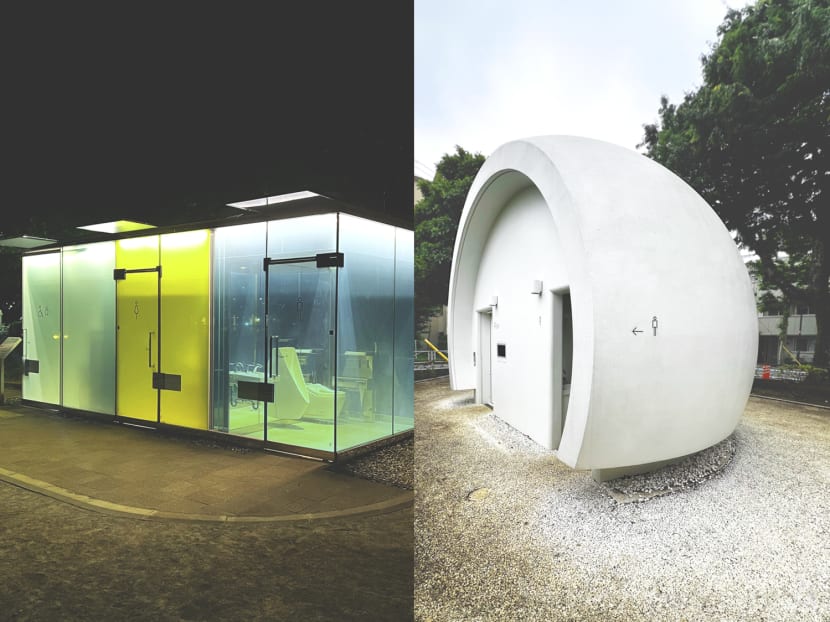
Japanese toilets designed by Shigeru Ban and Kazoo Sato (Photos: CNA/Jasper Loh)

This audio is generated by an AI tool.
A few months back, I caught the film Perfect Days. The Oscar-nominated movie by renowned director Wim Wenders followed a Japanese toilet janitor who performs his job with pride and dedication – and featured some cool-looking restrooms in Tokyo.
Now, I normally don’t give public toilets a second thought – I walk in, take care of business, wash up and walk out. But the toilets in the movie, which I later learned was part of something called the Tokyo Toilet Project (TTP), got me so intrigued that I decided I wanted to check them out during my Japan trip earlier this month.
THE TOKYO TOILET PROJECT
Launched in 2020 by The Nippon Foundation non-profit organisation, the TTP’s aim was to promote the use of public toilets and remove the stigma of them being dark, unsafe and unsanitary, especially for children and women.
Sixteen world class designers, architects and creatives such as Tadao Ando, Kengo Kuma, Shigeru Ban and Nigo were tasked to redesign and improve the accessibility of 17 public toilets situated around the Shibuya district – which explains why many of them look like art installations.
And as I eventually found out, you can actually take a tour of these toilets. Nearme, a shuttle service provider, organises twice-weekly tours. For ¥4,950 (SG$42.50), you can take your pick from two routes: The East or the West course. The West course, which I took, features nine toilets while the East route has eight. Each tour takes about two hours.
Here’s a roundup of the locations I visited. Plus a few more I randomly stumbled upon. Happy toilet hunting!
1. NABESHIMA SHOTO PARK TOILET (KENGO KUMA)
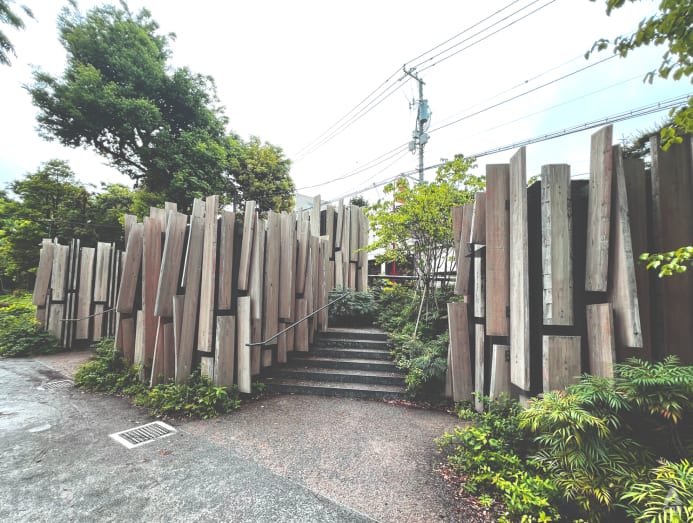
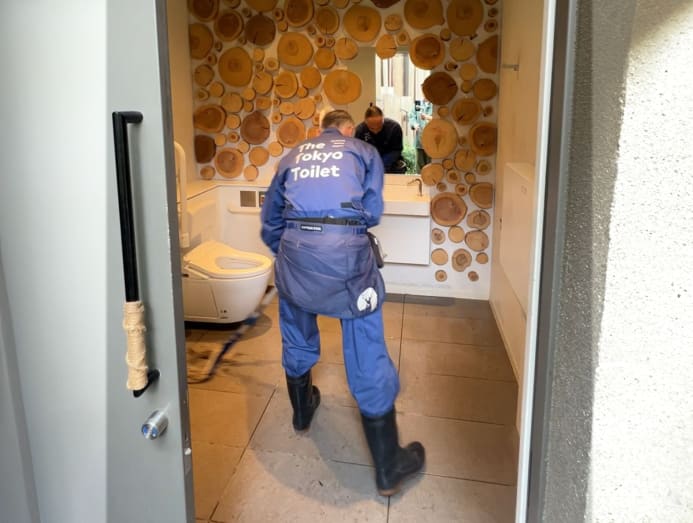
Architect Kengo Kuma wanted to make this public facility a site to connect people with nature. Situated near a playground that overlooks a lush greenery of trees, the toilets resemble a village hidden within a forest. There are five cubicles, all covered up with planks of cedar wood, lending them a raw, rugged feel.
2. YOYOGI FUKAMACHI MINI PARK TOILET (SHIGERU BAN)
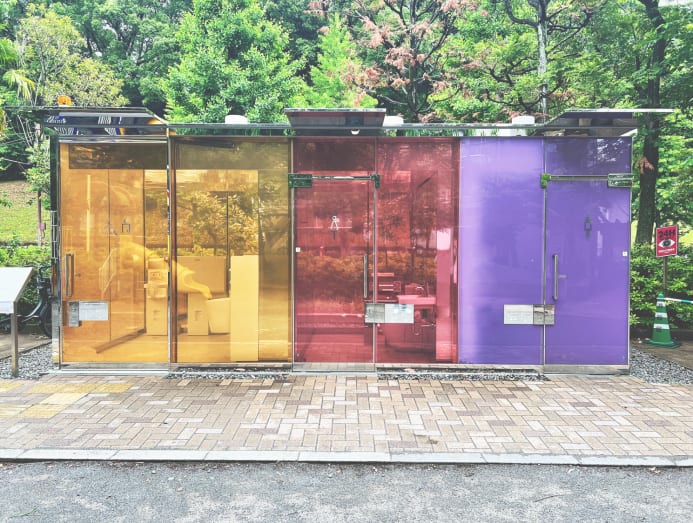
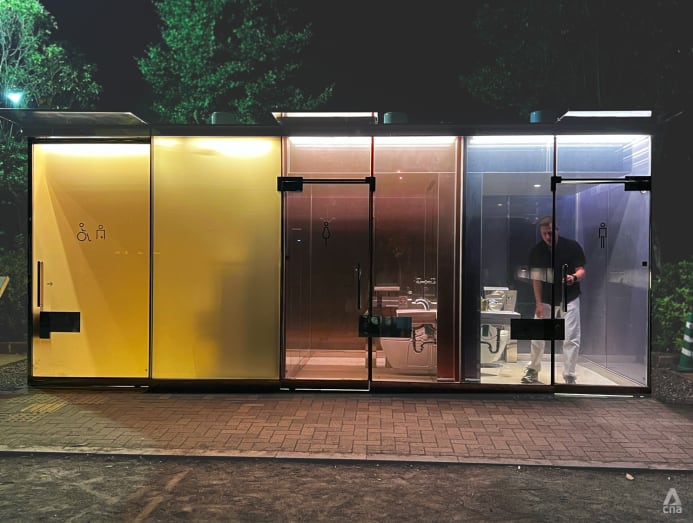
Pritzker Prize winner Shigeru Ban has two toilets on the list and both feature a new technology that lets users know if a toilet is in use or not – when the door is lock, the glass panels turn opaque to ensure privacy.
3. HARU-NO-OGAWA COMMUNITY PARK TOILET (SHIGERU BAN)
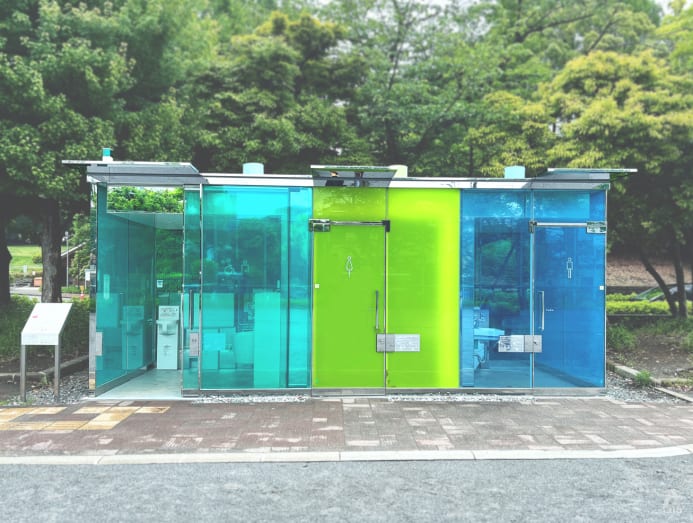
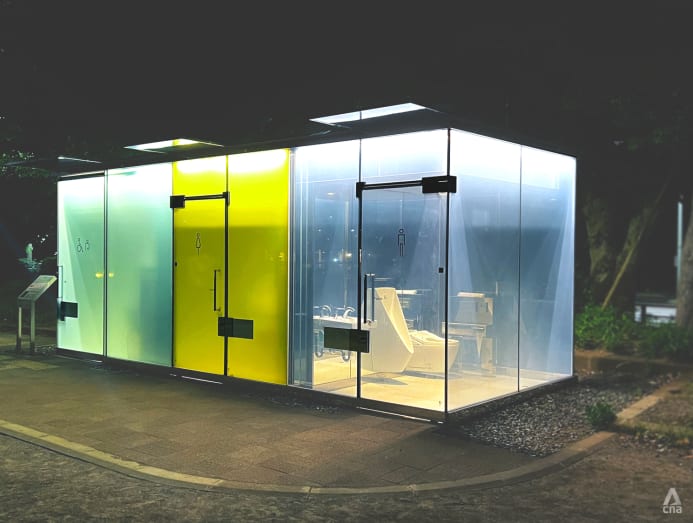
His second toilet employs the same technology and the only difference between the two are in the shades used on the glass panels – this one goes from a cool shade of turquoise green to blue while the former goes from warm orange to purple.
4. JINGU-DORI PARK TOILET (TADAO ANDO)
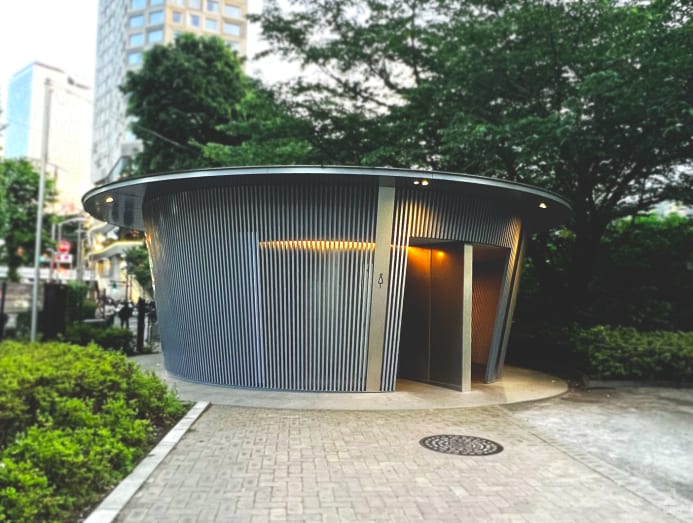
Architect and Pritzker Prize winner Ando described public toilets as a place where people can seek refuge. With that concept, he created a circular minimalist toilet with the walls made of vertical metal blinders for better ventilation. The rounded canopy is extended out and acts as a place for Amayadori, meaning “waiting out the rain” in Japanese. The overall design is both thoughtful yet functional.
5. YOYOGI HACHIMAN PUBLIC TOILET (TOYO ITO)
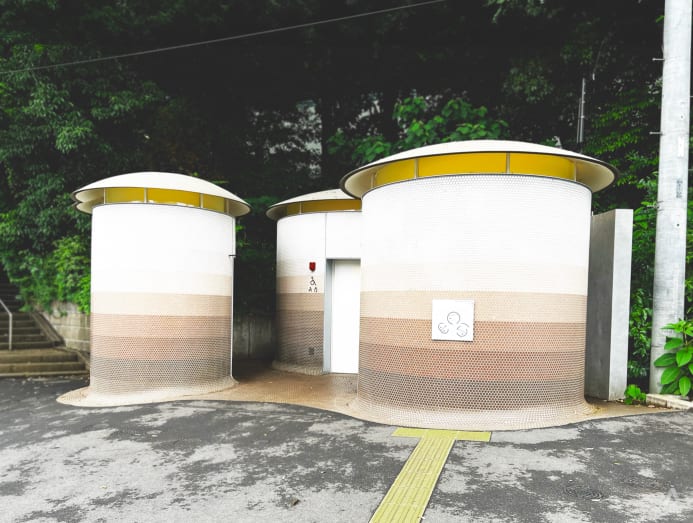
Located beneath a hilly walk up the Yoyogi Hachiman shrine, the restrooms here used to be dark and uninviting. Pritzker Prize winner Toyo Ito wanted to make the toilets well lit, so users need not worry about using it at night. He designed the space as a cluster of three mushroom-like towers that look like they’re sprouting out of the ground. The brown gradient tiles represent the energy of earth rising to the sky.
6. NISHIHARA ITCHOME PARK (TAKENOSUKE SAKAKURA)
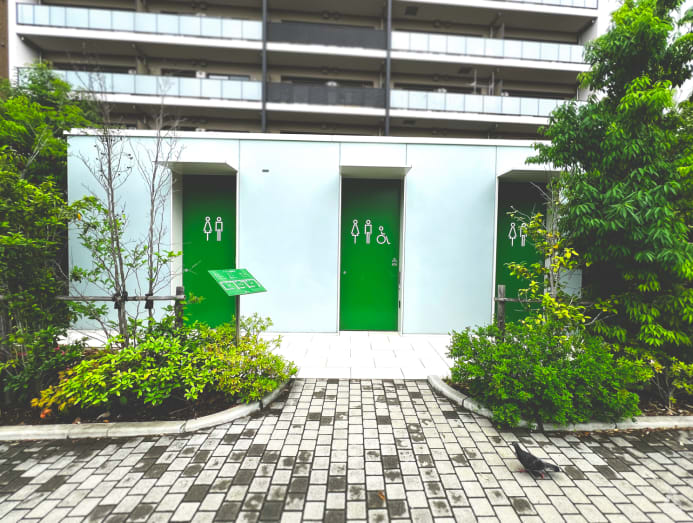
The three unisex restrooms here feature bright green doors that are at once calm and welcoming. The word Andon translates to paper lantern in Japanese. And that’s what the toilets look like. At night, the frosted glass printed with trees glows like a lantern when lit. Takenosuke Sakakura’s intention was to give people feel a sense of serenity and assurance when using the facility.
7. NANAGO DORI PARK TOILET (KAZOO SATO)
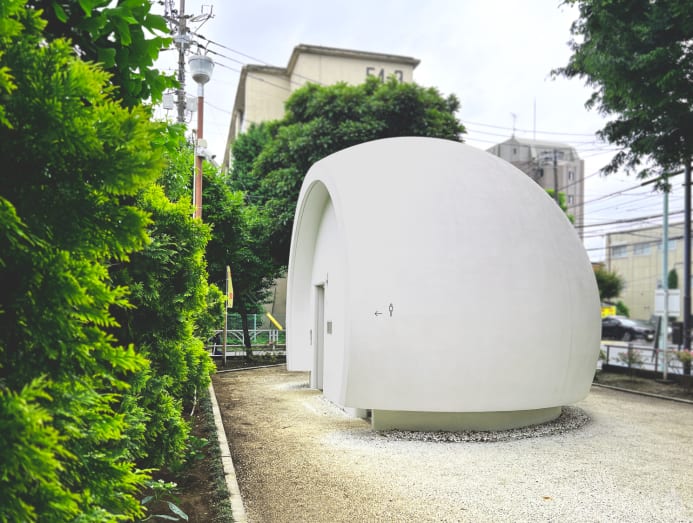
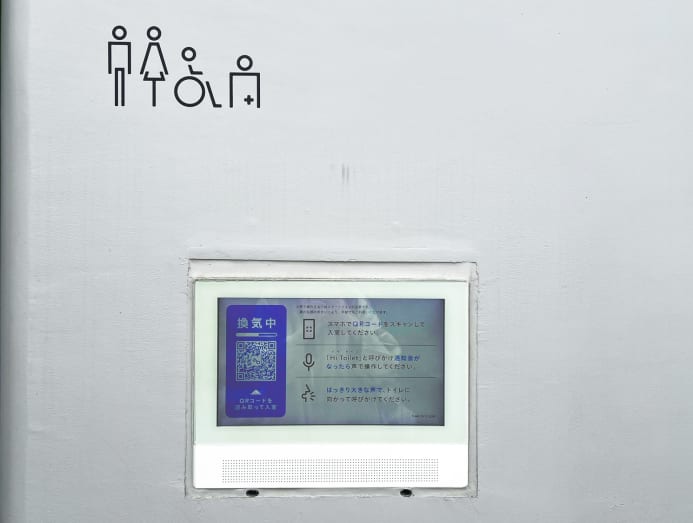
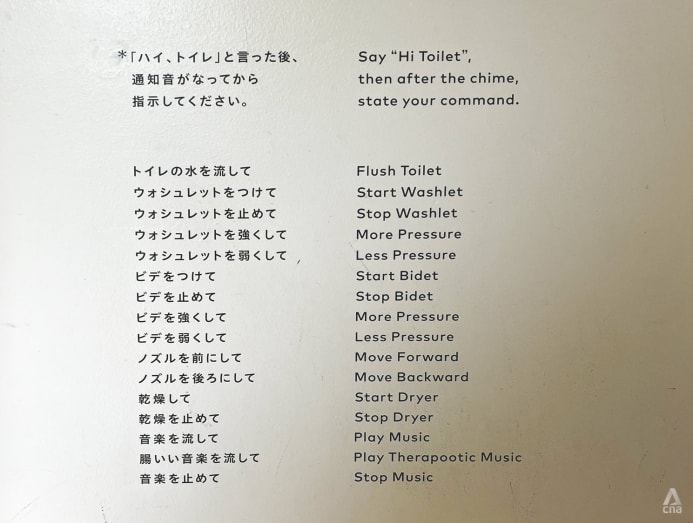
Named Hi Toilet, the white spherical shape of the structure looks like a scene right out of a sci-fi movie. With Hi Toilet, Kazoo and his team aimed to make this the world’s most hygienic toilet using voice control technology. Users can open the door, change the color of the lights, flush and even play music, all without making any form of physical contact. The globe shape also allows for better air circulation and keeps the toilet from smelling bad.
8. NISHISANDO PUBLIC TOILET (SOU FUJIMOTO)
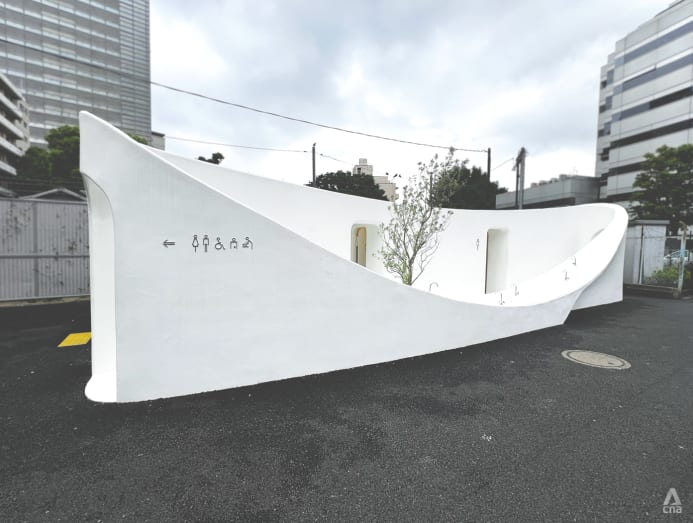
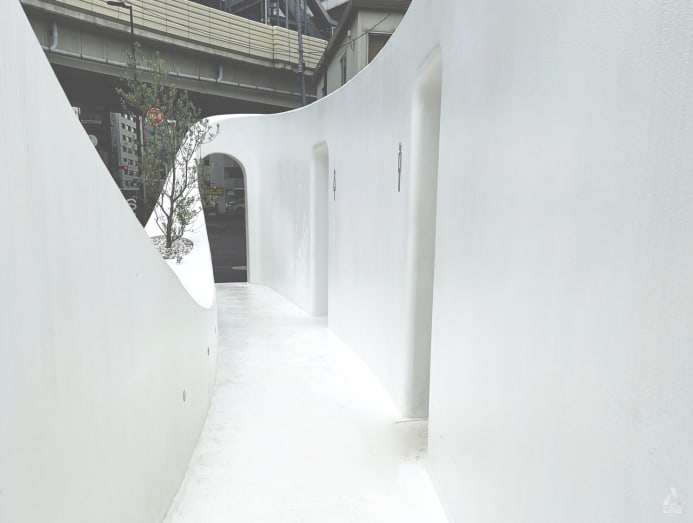
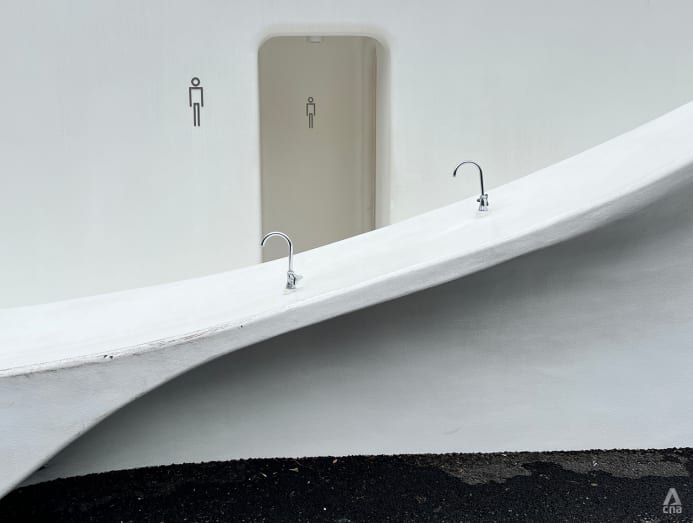
Sou Fujimoto embraced a playful approach to his design. He wanted the toilets to feel like an urban water fountain in the city and a vessel that serves everyone. The concave sink at the centre feature taps of different heights so that users of all ages can wash their hands conveniently. The cut-through path across the structure also creates a sense of openness and safety for the public.
9. JINGUMAE PUBLIC TOILET (NIGO)
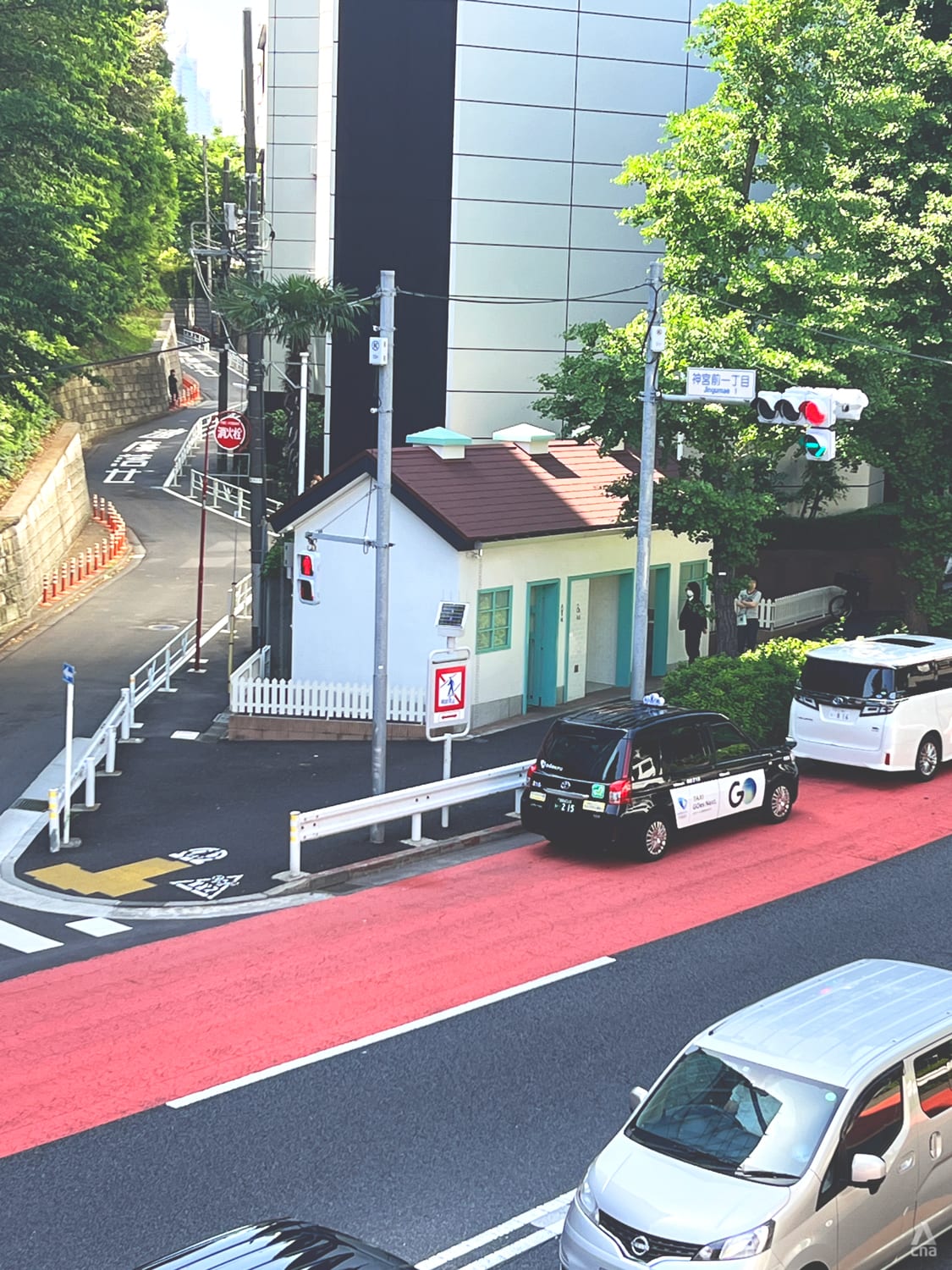
Japanese fashion designer, DJ record producer and entrepreneur Nigo designed the toilet near Harajuku where Japanese street fashion originated. Simple yet playful, he approached the design of the restroom based on comfort and easy accessibility. The structure, partially surrounded by white fences and mint green doors, resembles how one would doodle a house as a child.
10. SASAZUKA GREENWAY PUBLIC TOILET (JUNKO KOBAYASHI)
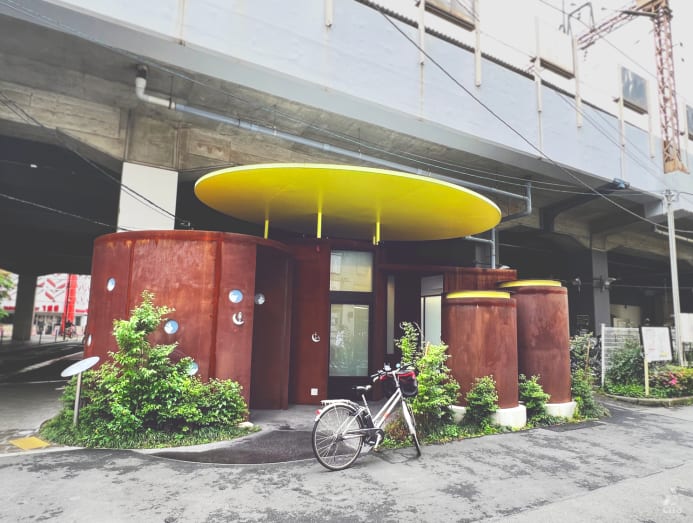
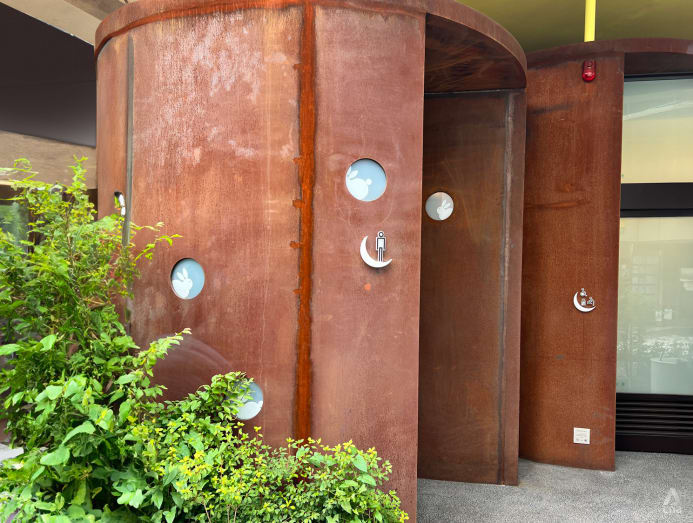
Built just beneath the Keio line Sasazuka train station, the group of weather resistant cylinders are constructed with a yellow canopy to counter the claustrophobic feeling of being located under the train tracks. While the exterior looks rusty and worn out, the restrooms feel bright and clean. The cute bunnies peeking out of the wall light up at night, giving out a playful vibe.
11. HATAGAYA PUBLIC TOILET (MILES PENNINGTON/ UNIVERSITY OF TOKYO DLX DESIGN LAB)
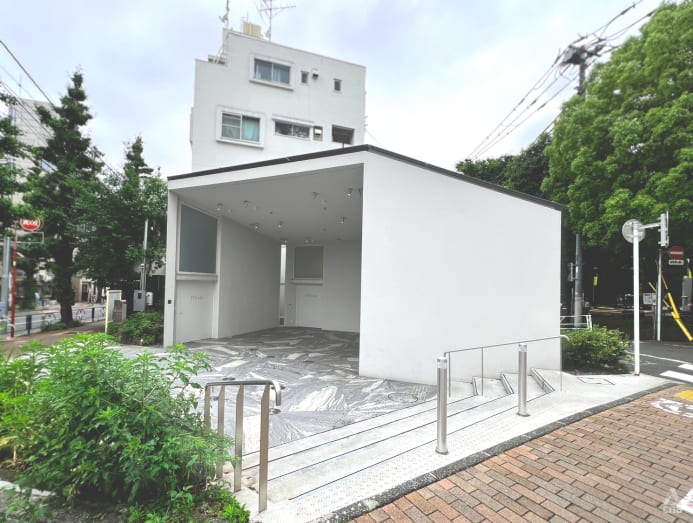
British designer and professor Miles Pennington, together with the University of Tokyo DLX Design Lab, wanted to build a restroom that not only serves its function, but also doubles up as an area to bring the local community together. The structure is designed such that it can also be used as a space for events or pop ups.
12. HIGASHI SANCHOME PUBLIC TOILET (NAO TAMURA)
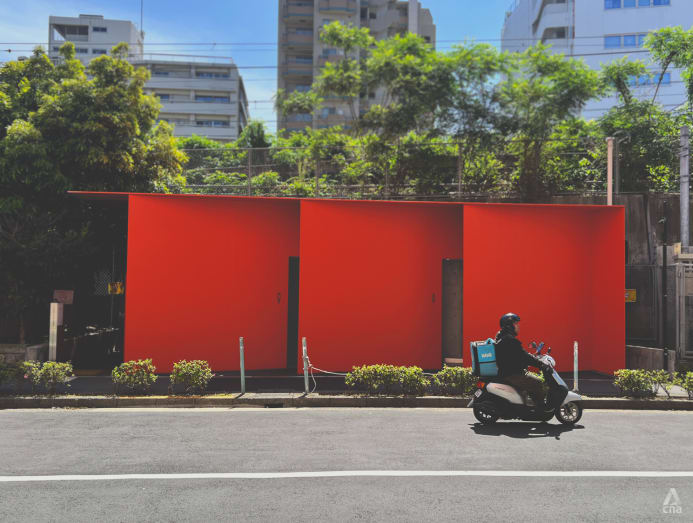
Product designer Nao Tamura’s approach her design as traditional Japanese gift wrapping, with the intention for users to feel safe and have a sense of privacy. Striking red is used on the exterior because it attracts attention, and she hopes that it will also deter unlawful acts.
13. EBISU EAST PARK TOILET (FUMIHIKO MAKI)
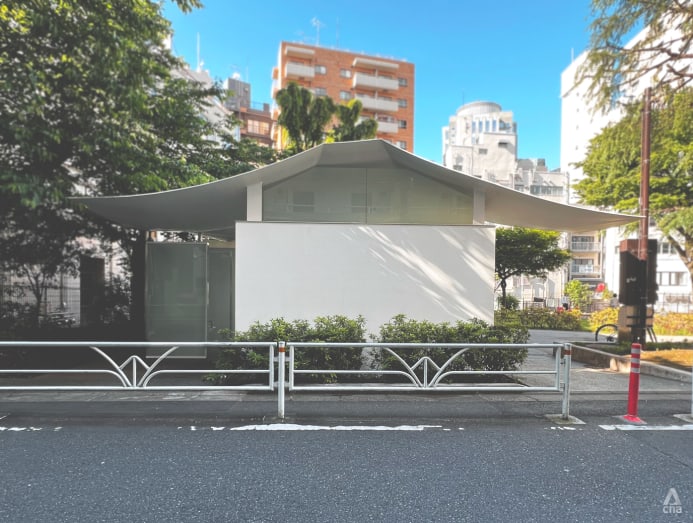
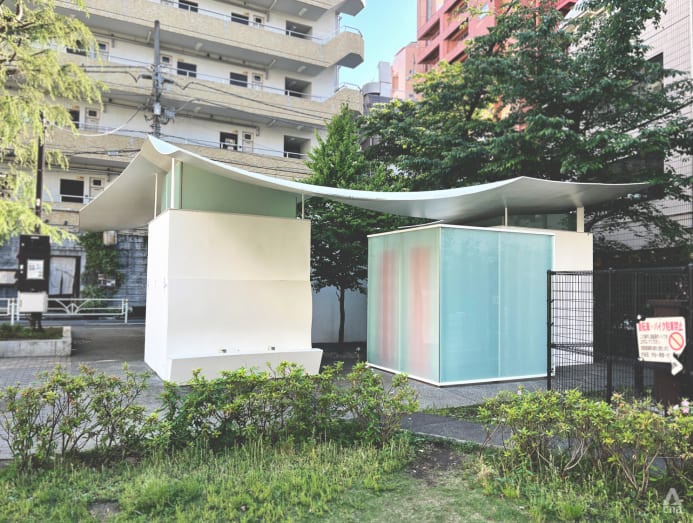
Located near a playground that has long been a part of the local community, Pritzker Prize winner Fumihiko Maki designed the facility as a white pavilion with curvy roof as well as a little courtyard at the centre that is bright airy and a place for resting. This place is also known as the Squid Toilet because the park was formerly known as Octopus Park due to the octopus-shaped slides in playground.
While I didn’t manage to visit all the toilets under the TTP, the experience was more than enough to give me a better understanding of Japan’s cultural values and innovative designs (not to mention their outlook on hygiene). Hopefully, it inspires other cities and organisations to rethink these often overlooked and undervalued public places.