Too shy to ask about sex? A gynaecologist gives us the answers
Can you have sex while pregnant? How do you increase your sex drive? Does your vagina look normal? CNA Women asked obstetrician and gynaecologist Dr Shilla Mariah Yussof to address the sex questions women have been itching for the answers to.

CNA Women gets a local gynaecologist to answer the sex questions you’ve been wondering about – but didn’t know how to ask. (Photo: iStock/Erdark)

This audio is generated by an AI tool.


Sex is one of those topics people are insatiably curious about, yet are too shy to ask. It could range from wondering whether one’s sexual anatomy is “normal-looking” to how to manage sexual intercourse while pregnant or on your period.
CNA Women has it covered. We asked Dr Shilla Mariah Yusoff, an obstetrician and gynaecologist at Singapore Women’s & Children’s Medical Group and Shilla Mariah Clinic For Women, to answer the burning questions women have about everything to do with sex.
HOW TO ENJOY BETTER SEX

Q: IS SEX SUPPOSED TO HURT?
It is common for some women to experience pain during sex, said Dr Shilla, but there should be more pleasure than pain. Common reasons for pain include lack of lubrication and not enough foreplay.
You may have vaginismus, which is an involuntary tightening of the vaginal opening, or endometriosis, a chronic condition in which tissue similar to the lining of the uterus grows outside the uterus – both can cause pain during sex.
Dr Shilla also noted that pain may sometimes be due to vaginal infections such as vaginitis, which refers to the inflammation of the vagina, or previous injuries that occurred during childbirth.
“Relationship and emotional issues like previous sexual trauma can also play a part,” she said, where sex is associated with pain, leading to tense muscles during sex.
Q: CAN CERTAIN EXERCISES MAKE SEX MORE ENJOYABLE OR LESS PAINFUL?
Dr Shilla explained that exercises such as kegels, which strengthen the pelvic floor muscles, improve blood flow to the pelvic area. This can enhance your arousal and lead to more intense and pleasurable orgasms.
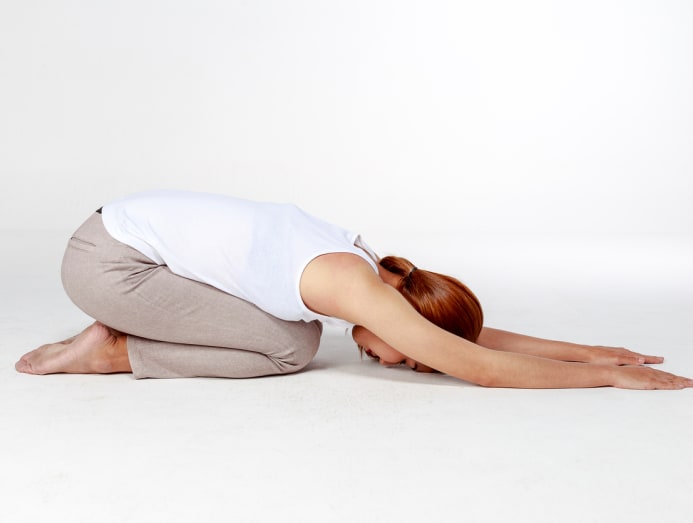
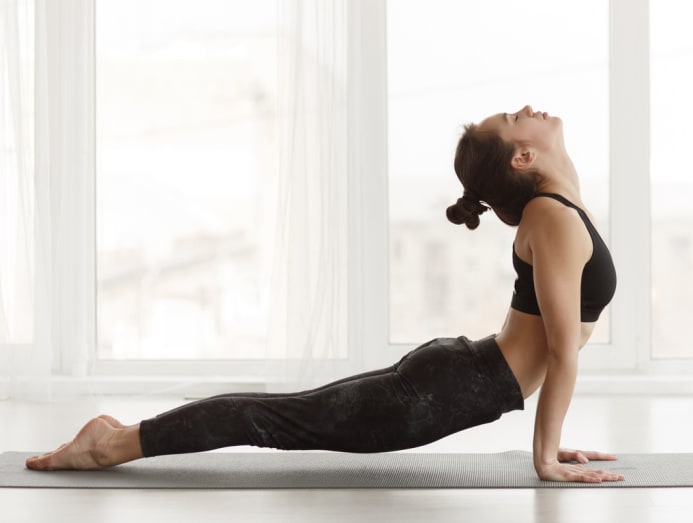
Women with vaginismus can consider exercises that involve muscle-relaxing techniques, such as deep belly breathing, deep squat stretches, or yoga positions like the child’s pose, cobra pose, and happy baby pose.
“These exercises can help to relax the muscles around your vagina and release more tension to make sex more fun,” Dr Shilla said.

Q: WHY IS IT SO HARD TO ACHIEVE ORGASM?
“A lot of women don’t achieve orgasm through just vaginal intercourse alone,” Dr Shilla said. “Orgasms take practice and there are different ways women can achieve it.”
Some tips include extended foreplay to stimulate other parts of the body such as the breast or clitoris, masturbation, sex toys and even role-playing to improve your chances of getting that big O.
Orgasms take practice and there are different ways women can achieve it.
She also advised talking to your partner about trying different ways to enjoy sex and achieve an orgasm. Open communication can even facilitate a safe and exciting experience for both partners, which in turn increases your comfort level and the likelihood of orgasm.
Q: IS CLIMAXING TOGETHER OVERRATED? MY PARTNER GETS UPSET WHEN WE DON’T
“It depends on what is important to you as a couple,” Dr Shilla said. “Not every couple needs to orgasm at the same time to enjoy sex as each person has different preferences and timings when it comes to climax.”
“Most women also tend to take more time while men take less time to orgasm,” she added. “What’s most important is that both of you are happy and having a good time.”
To become more in sync, Dr Shilla suggested focusing on extended foreplay and stimulating other parts of the woman’s body before penetration. She also said using thicker condoms or trying deep breathing before sex will help improve control.
It can be stressful to always fixate on timing, and it’s also normal to stumble during the first few tries to be in sync, so take it easy on yourself, she said.
Dr Shilla said regular conversations with your partner about sex can help you both figure out how to experience better sex together, whether you climax at the same time or otherwise.

Q: WHY DO I HAVE A LOW SEX DRIVE AND HOW CAN I INCREASE IT?
Your libido, which refers to your sex drive or your desire for sex, can be affected by multiple factors.
Physical attraction to your partner, the emotional connection between you, cultural and religious beliefs about sex formed during your upbringing, and even mood fluctuations throughout the day can influence your desire.
Medical conditions like diabetes mellitus and cancer, as well as certain medications including painkillers and antidepressants, also affect your libido. Work stress can lower your mood for sex, too.
A simple holiday or a break from the daily grind with your partner can do a lot to improve your sex drive. More quality time together will likely lead to more intimacy and attraction for each other, Dr Shilla added.
She also recommends getting enough sleep, managing a balanced diet and committing to regular exercise. These can improve your self-image and overall well-being, which can lead to a higher libido and the mood for sex.
GETTING COMFORTABLE WITH SEX

Q: IS IT SAFE TO HAVE SEX DURING MY PERIOD?
If you are in a monogamous relationship and you’re up for it, Dr Shilla said: Generally, yes.
It may be a little messy but sex during your period may even relieve menstrual cramps and fatigue. This is because orgasms trigger the release of endorphins, or the body’s “feel good” hormones that alleviate pain, lower stress, improve your mood and enhance your sense of well-being.
However, having sex during your period has risks. It can lead to an increased risk of transmitting blood-borne diseases, including sexually transmitted illnesses (STIs) such as HIV and hepatitis. During your period, the cervix is also slightly more open so lower genital tract infections may travel upwards and cause pelvic inflammatory disease, Dr Shilla said.
She advised that couples use protection to be safe. And if you’re in multiple sexual relationships, it’s advisable to avoid sex altogether during your period.
Q: CAN I HAVE SEX WHILE PREGNANT?
“Yes,” Dr Shilla said. “If you are in the mood for it, go for it – it is very normal for couples to have sex throughout pregnancy.”
When you’re expecting, your growing baby won’t be affected by your sexual activity. The baby is protected by the amniotic fluid in the uterus and the strong muscles of the uterus. So it’s generally safe to have comfortable sex at any stage of pregnancy, even when you’re close to or have passed your estimated delivery date.
Unless you have a high-risk pregnancy like a low-lying placenta or a short cervix, or your gynaecologist advises you against sex, it’s even encouraged to have sex during pregnancy. The “feel good” hormones can help lift your mood and alleviate any discomfort, said Dr Shilla.
If you are in the mood for it, go for it – it is very normal for couples to have sex throughout pregnancy.
Q: IS THERE AN IDEAL POSITION FOR SEX DURING PREGNANCY?
During your first and early second trimester when your belly is smaller, any position that you’re comfortable in is fine.
In the late second or third trimester, when your bump gets larger, opt for positions that don’t exert weight or pressure on your belly. You can try the woman-on-top position, spooning side-to-side, or having sex from behind.
Q: WHEN IS ITCHING DOWN THERE AFTER SEX NORMAL?
“Though itching of the vulva or vaginal area is common, it is not normal,” Dr Shilla said.
Simple tips to prevent itching include avoiding using pantyliners unnecessarily as they can irritate the skin. Also, wear loose cotton underwear. Women can also swap out sanitary pads for menstrual cups – these are made of natural rubber or silicone and cause less irritation to the vaginal area, Dr Shilla said.
However, if the itching is intense and occurs after sex, visit a doctor to get it checked as it can be a sign of infection, allergies or a skin condition, Dr Shilla said.
Various STIs can cause vaginal itching, including genital warts and herpes. Common infections like bacterial vaginosis, which occurs when there is an imbalance of normal beneficial bacteria in the vagina, can also lead to irritation.


WHAT’S NORMAL WHEN IT COMES TO SEXUAL ANATOMY
Q: DOES PENIS SIZE MATTER FOR GOOD SEX?
Nope, Dr Shilla said.
“What matters more is skill and technique, intimacy, emotional connection, and how your partner makes you feel during sex,” she added. “All that can trump size.”
Q: MY VAGINA LOOKS WEIRD – IS THERE SOMETHING WRONG WITH IT?
“Trust me, your vagina – or any part of the area such as your vulva or labia or 'vaginal lips' – definitely does not look weird,” Dr Shilla said.
Vulvas and the parts around your vagina come in all shapes, sizes and shades. They are also rarely, if ever, symmetrical.
“As a gynaecologist, I have seen plenty,” she added. “And I have never come across a ‘perfect vagina’, because it doesn’t exist.”
Q: WILL MY VAGINA BECOME “LOOSE” AFTER A VAGINAL BIRTH?
“Our pelvic floor, which is the supporting structure of our vagina, can stretch and adapt to childbirth,” said Dr Shilla.
After childbirth, the muscles around your vagina will tighten again. Although it’s unlikely to return to its pre-pregnancy and pre-birth state, many women who have had children still have lots of enjoyable sex with their partners, she said.


CNA Women is a section on CNA Lifestyle that seeks to inform, empower and inspire the modern woman. If you have women-related news, issues and ideas to share with us, email CNAWomen [at] mediacorp.com.sg.